Facing Stage 4 Cancer at Just Two Months Old
By Ruveena Mariathas
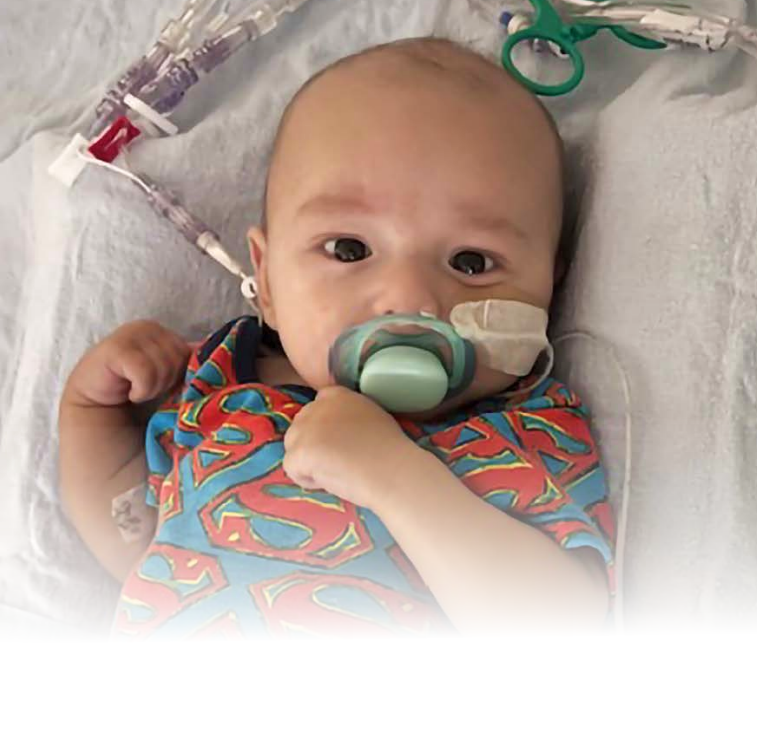
When Mallika was born, we thought she was just a fussy baby. She cried every night, and we took turns holding her upright while sleeping on the couch. Several visits to walk-in clinics indicated she had colic. But when she stopped having wet diapers and bowel movements, we knew it was something
more serious.
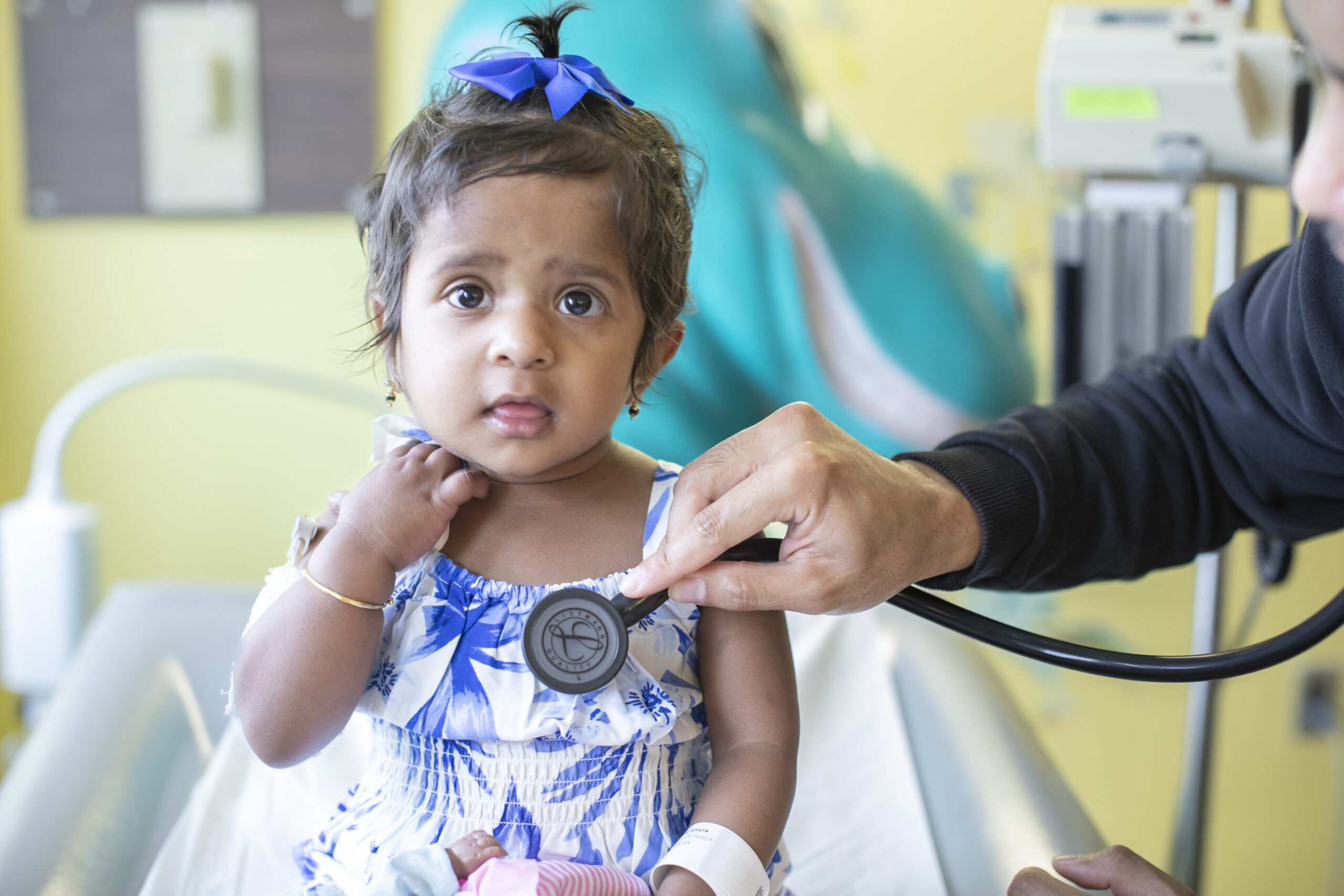
At just two months old Mallika was diagnosed with stage 4 rhabdomyosarcoma. Her treatment began almost immediately—aggressive chemotherapy that had us constantly travelling to downtown Toronto, me with no income and bills piling up.
Our POGO Interlink Nurse connected us to POGO’s Financial Assistance Program and handled the paperwork during a time when everything felt overwhelming. On her regular visits to our home, she always took time to check in o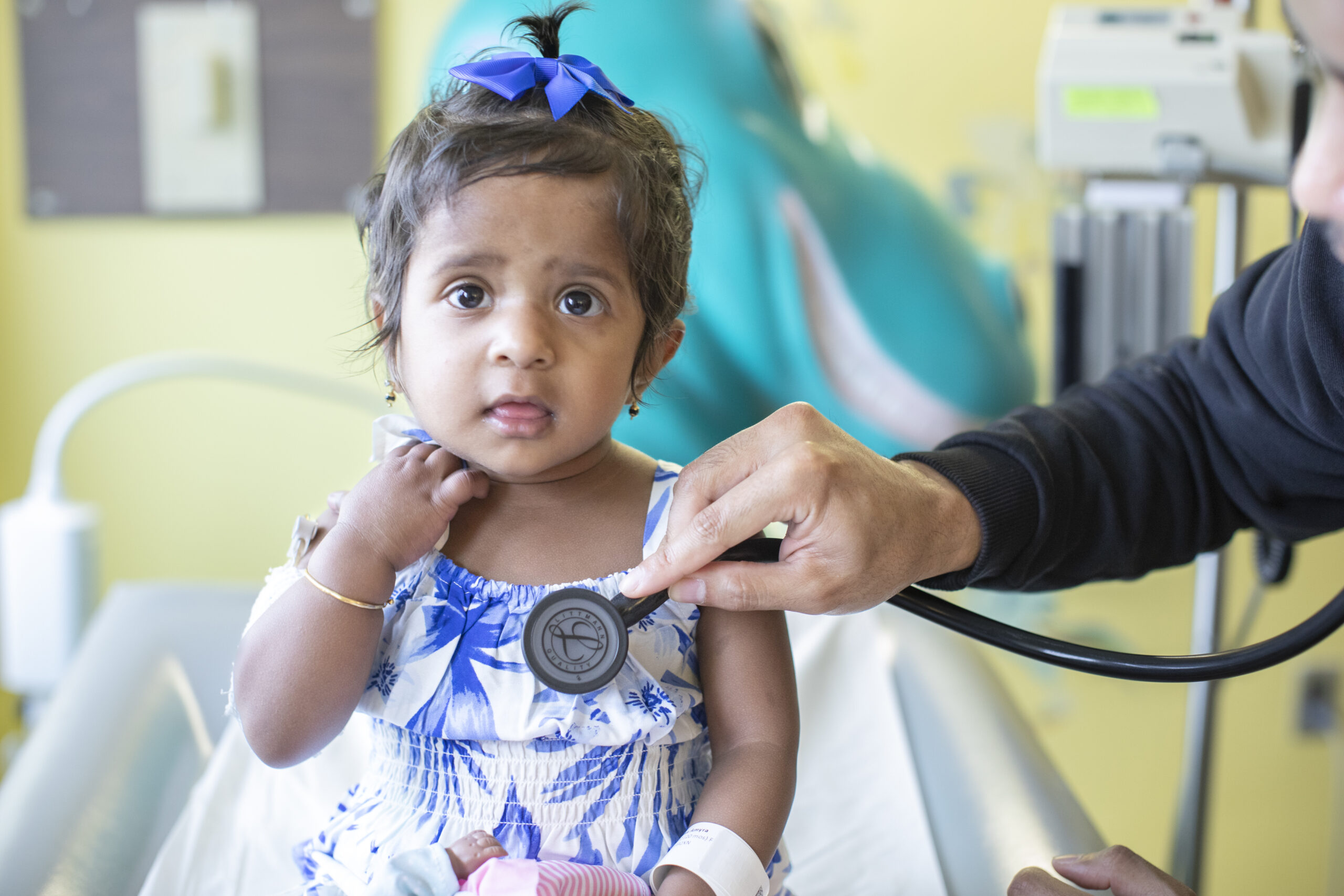 n our older daughter, Ashwana, to make sure she was coping with her sister being sick and her parents being away so often at the hospital.
Eventually, we were able to move part of Mallika’s care to the POGO Satellite Clinic at Scarborough Health Network. Being close to home meant we could sleep in our own beds, spend more time with Ashwana, and bring Mallika in for her daily chemotherapy without the added pressure of a long commute. The Satellite Clinic is a warm and welcoming environment, and the nurses became like family—they knew her well, noticed small changes and helped us through some scary moments, including a serious episode of dehydration.
Mallika has had surgery to remove her bladder and now needs daily catheterization, which means we have to use a tube to keep her wounds from closing. When she turns five, doctors plan to create a neobladder—a surgically constructed bladder to help restore some normal function. Despite all she’s faced, she’s full of energy and steadily catching up on her milestones.
Mallika rang the bell at the clinic to mark the end of treatment. Our POGO nurse cried. We cried. After everything we’d been through, it felt like we could finally breathe.

Childhood Cancer Care Expanded to Northwestern Ontario
POGO Satellite and Interlink Programs Bring Childhood Cancer Care Closer to Home
at Thunder Bay Regional Health Sciences Centre
Thunder Bay, ON, June 4, 2025 – Today, childhood cancer care closer to home became a reality for families living in Northwestern Ontario with the launch of two new Pediatric Oncology Group of Ontario (POGO) programs at Thunder Bay Regional Health Sciences Centre (TBRHSC). Expansion of the POGO Satellite and Interlink Nursing programs at TBRHSC was made possible thanks to funding from Ontario’s Ministry of Health.
For childhood cancer patients and their families in the Northwest, much of their care is provided at Children’s Hospital at London Health Sciences Centre. The establishment of the POGO programs at TBRHSC means fewer trips to London and more time at home with their support network of family and friends and less disruption to school and work.
“It was important for us to be at Thunder Bay Regional for the launch of these POGO programs,” said Drago and Shanley Pavletic of Thunder Bay, whose son was treated at Children’s Hospital at London Health Sciences Centre. “We know firsthand what it means to be away from home while our child was in treatment. Now, parents won’t always have to leave their jobs or split their families apart. You can’t put a price on that kind of peace of mind.”
POGO now coordinates childhood cancer care at nine Satellite Clinics in community hospitals across the province. The multidisciplinary healthcare team in the POGO Clinic at TBRHSC includes doctors, nurses, child life specialists, and social workers, and provides a range of high-quality pediatric cancer services.
The POGO Interlink Nurse will be assigned to families at diagnosis, connecting them to services they need, whether in the hospital or community. The POGO Interlink Nurse may also visit the child’s school to share information about the child’s cancer journey with teachers and the child’s or their sibling’s classmates.
“POGO programs provide wrap-around care and support to children and families from diagnosis to treatment to survivorship, and, when needed, end-of-life care,” said Lauren Ettin, POGO CEO. “Expansion of the POGO Satellite Clinic and Interlink programs to Thunder Bay Regional Health Sciences Centre signals meaningful change for local families and fulfills an important objective of Ontario’s five-year Childhood Cancer Care Plan, to bring care closer to home. We are honoured to partner with the incredible teams at Thunder Bay Regional Health Sciences Centre and Children’s Hospital at London Health Sciences Centre to meet the needs of children with cancer and their families in Northwestern Ontario.”
“We are proud to join the Pediatric Oncology Group of Ontario (POGO) as an official Satellite Clinic,” said Dr. Rhonda Crocker Ellacott, President and CEO of Thunder Bay Regional Health Sciences Centre (TBRHSC) and CEO of the Thunder Bay Regional Health Research Institute (TBRHRI). “This designation marks a significant step forward in enhancing the quality of care for children and families facing cancer in Northwestern Ontario. Through this partnership with POGO and the Children’s Hospital at London Health Sciences Centre, we will be able to offer more comprehensive and coordinated care closer to home. Our interdisciplinary teams, including a dedicated Interlink Nurse, will guide families through every stage of the pediatric cancer journey—reducing travel burdens, supporting continuity of care, and helping to improve health outcomes. Most importantly, children can now receive specialized treatment right here in Thunder Bay, enabling families to remain together during a challenging time.”
“The launch of the POGO Satellite and Interlink programs at Thunder Bay Regional Health Sciences Centre is a significant milestone for childhood cancer care in Northwestern Ontario,” said Dr. Alexandra Zorzi, head of paediatric hematology and oncology at Children’s Hospital at London Health Sciences Centre (LHSC). “At Children’s Hospital, we are dedicated to extending our specialized care and support to families in this region. By bringing these vital services closer to home, we help to ensure our young patients receive the same high-quality care they would at Children’s Hospital, but within their own community. This initiative not only alleviates the physical and emotional strain on families, but also strengthens our mission to provide comprehensive, patient-centered care across the region.”
In video remarks, Minister of Health Sylvia Jones spoke on behalf of Premier Ford and the entire government saying, “I would like to congratulate the Pediatric Oncology Group of Ontario, along with Thunder Bay Regional Health Sciences Centre and Children's Hospital at London Health Sciences Centre, as you launch your POGO Satellite Clinic in Thunder Bay. This marks an important milestone with the expansion of world-class childhood cancer care in Northwestern Ontario. Thank you again to POGO and all your partners for everything you do to support children impacted by childhood cancer and their family.”
About Pediatric Oncology Group of Ontario (POGO)
Pediatric Oncology Group of Ontario (POGO) works to ensure that everyone affected by childhood cancer has access to the best care and support. POGO partners to achieve an excellent childhood cancer care system for children, youth, survivors, and their families and healthcare teams, in Ontario and beyond. POGO champions childhood cancer care, and as the collective voice of this community, is the official advisor to Ontario’s Ministry of Health on children’s cancer control and treatment. POGO is a non-profit organization with charitable status, here for kids with cancer, for now, for life.
About Thunder Bay Regional Health Sciences Centre (TBRHSC)
Thunder Bay Regional Health Sciences Centre (TBRHSC), a 425-bed academic specialized acute care facility, is a national leader in Patient and Family Centred Care. As the only tertiary care provider in Northwestern Ontario, we provide comprehensive services to a population of over 250,000 residents in a region the size of France. Effectively addressing the health care needs of patients and families has earned us both Innovation Awards and Leading Practice Designations. As an academic health sciences centre, we teach the next generation of health care providers and advance medical research. Patients benefit from interprofessional teams of dedicated health care providers and access to leading-edge medical technology and clinical trials. To fulfill its teaching and research strategic goals, TBRHSC is supported by Thunder Bay Regional Health Research Institute (TBRHRI) as a not-for-profit and independent research corporation. TBRHRI is the research arm of TBRHSC and seeks to lead research to improve the health outcome of the people of Northwestern Ontario and beyond.
About London Health Sciences Centre
London Health Sciences Centre has been at the forefront of medicine in Canada for 145 years and offers the broadest range of specialized clinical services in Ontario. Building on the traditions of its founding hospitals to provide compassionate care in an academic teaching setting, London Health Sciences Centre is home to Children’s Hospital, University Hospital, Victoria Hospital, the Kidney Care Centre, two family medical centres, and two research institutes – Children’s Health Research Institute and Lawson Health Research Institute. As a leader in medical discovery and health research, London Health Sciences Centre has a history of over 65 international and national firsts and attracts top clinicians and researchers from around the world. As a regional referral centre, London Health Sciences Centre cares for the most medically complex patients including critically injured adults and children in southwestern Ontario and beyond. The hospital’s nearly 15,000 staff, physicians, students and volunteers provide care for more than one million patient visits a year. For more information visit www.lhsc.on.ca.

Marking National Indigenous History Month with a Special Video for Parents and Caregivers of Children with Cancer
Introductory Note from POGO
The POGO Indigenous Children with Cancer Initiative, established in 2019, is dedicated to enhancing equality and cultural safety in the care of Indigenous children with cancer and their families. This initiative brings together individuals with lived experience, healthcare providers from across the Ontario, Indigenous Navigators from hospitals, and members of the Indigenous Cancer Care Unit of Ontario Health.
In honour of National Indigenous History Month this June, we are proud to share a heartfelt video designed to increase understanding of a childhood cancer diagnosis. Recognizing the diverse caregiving roles within Indigenous communities, this video is intended for anyone in the child's support circle, including parents, community elders, extended family, and Indigenous healers.
Jennifer Keis, Nurse Practitioner at SickKids and a valued member of our initiative, shares her reflections below on the creation of this video and its impact on her practice.
Walking alongside Indigenous Patients and their Communities
In nursing, we are taught to provide culturally-safe, patient/family-centered, and holistic care. My experience with the POGO Indigenous Children with Cancer Committee has reinforced that achieving this requires an open mind and a willingness to listen and learn from others.
I am grateful for the wisdom, stories, and expertise shared by Indigenous healthcare providers, community members, and families who are part of the committee. Their strength in sharing the challenges and trauma of navigating the healthcare system with such honesty and integrity has had a profound impact on me. I recognize that I must continue to engage in learning, listening, and adapting to ensure I am providing meaningful and thoughtful care to Indigenous families.
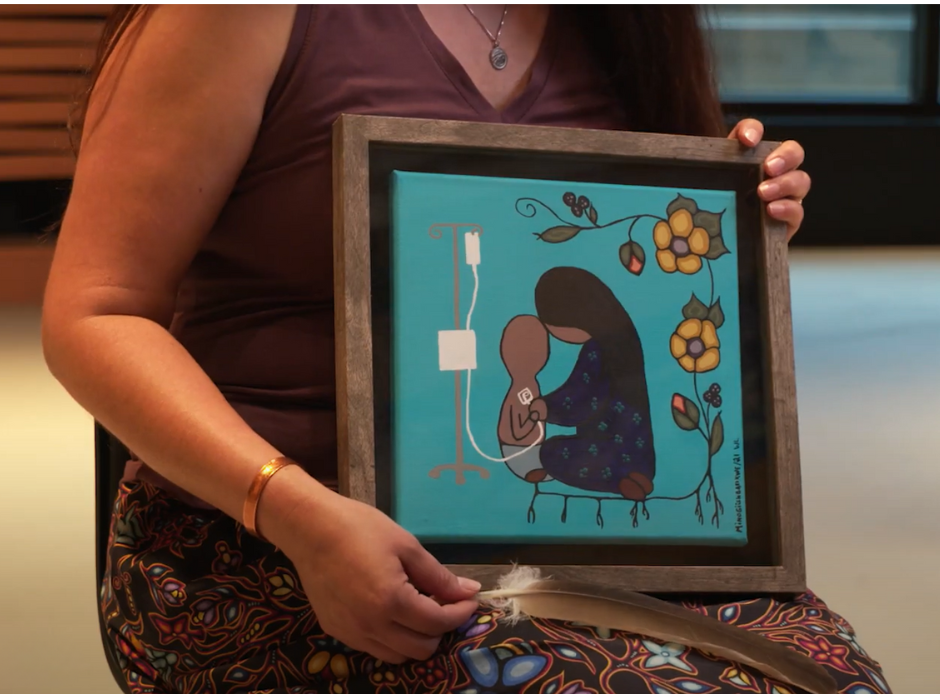
I had the privilege of getting to know the patient featured in the video, Makenzy, and his mom, Wendy, during a long stay at SickKids, so you can imagine the emotional impact the video has had on me. In the video, Wendy, who, in her spare time, enjoys art as a hobby, shares with viewers a painting, which beautifully illustrates the family’s hope to remain connected to their Indigenous culture and practices while Makenzy was receiving treatment for leukemia. Wendy’s powerful symbol of resilience and connection is not unlike the hope of other Indigenous families who will need pediatric oncology care in the future.
Indigenous families deeply value preserving cultural identity, even as they navigate the challenges of western healthcare. This shared experience resonates with many and underscores the importance of walking alongside Indigenous patients and their communities—recognizing, respecting, and integrating their traditional practices and medicines into our care approach.
Supporting Families through Childhood Cancer Diagnoses
As nurses, we understand how overwhelming it can be for families to receive a childhood cancer diagnosis. Suddenly, families are thrown into an unfamiliar world filled with medical jargon, blood tests, diagnostic procedures, and various healthcare providers. While trying to comprehend the gravity of the diagnosis, families are faced with making significant treatment related decisions that may feel overwhelming, all while grappling with the emotional shock of the news.
Now, imagine how much more difficult this experience is for families coming from a place of historical and medical trauma, racism and discrimination, loss of cultural identity, and health disparities. The intricate nature of these challenges can magnify the emotional toll, making it even harder for families to navigate this already overwhelming experience.
Creating a Culturally-Sensitive Support Tool for Indigenous Families
Our vision in creating the video is to provide an avenue to open communication, build rapport, and share information in a way that is culturally sensitive and less overwhelming for Indigenous families facing a new childhood cancer diagnosis. Acknowledging the significant value of connection within Indigenous communities and with their elders, we also understood the importance of providing an educational tool that families can share with others.
Thank you for reading my reflections on the privilege of participating in the POGO Indigenous Children with Cancer Committee and helping to create the video, Childhood Cancer: A Guide for First Nations Communities. If you haven’t watched it yet, I encourage you to do so.
Watch Childhood Cancer: A Guide for First Nations Communities
I hope it becomes a valuable resource for sharing with colleagues, but most especially, with Indigenous pediatric oncology families you support. As nurses, we have the privilege of spending meaningful time at the bedside, listening to families share their stories, building trust, and advocating when their voices need to be heard. My hope is that the video, along with other POGO Indigenous resources, will support you in fostering these important relationships with cultural humility, an openness to listen and learn, and compassion in the care we provide.
Jennifer Keis is a pediatric nurse practitioner at The Hospital for Sick Children, working with families facing leukemia or lymphoma.

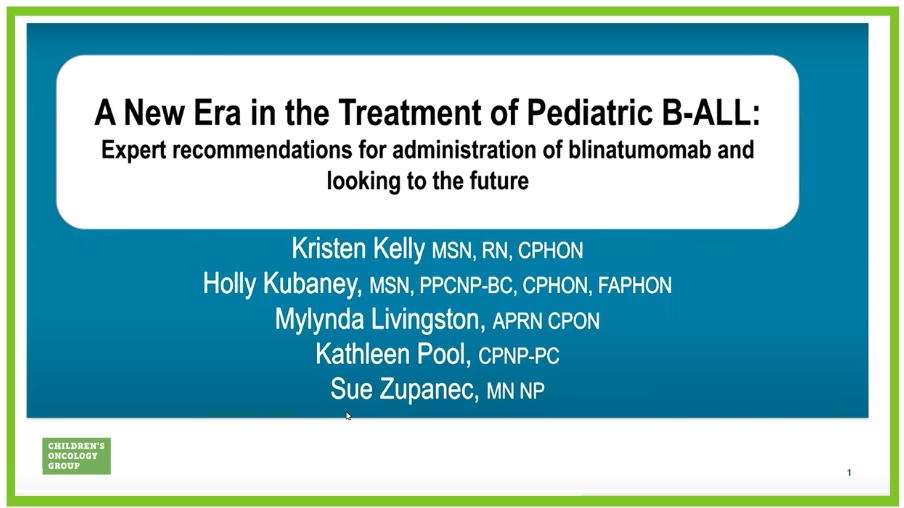
A New Era in the Treatment of Pediatric B-ALL
Expert Recommendations for Administration of Blinatumomab and Looking to the Future
For those working in pediatric oncology, there’s been no shortage of conversation this past year about a new era in treating pediatric B-ALL. The Children’s Oncology Group (COG) Nursing Steering Committee hosted a webinar earlier this year, providing insights into the widely discussed AALL1731 study and sharing practical strategies for managing blinatumomab infusions. This webinar was presented by the Children’s Oncology Group (COG) Nursing Steering Committee on February 12, 2025.
The intended audience for this webinar is primarily nurses, although allied health professionals will also find it beneficial. Attendees will gain insights into the AALL1731 study results and learn how nurses have effectively addressed challenges related to blinatumomab infusions in their institutions.
The webinar objectives are:
- Review AALL1731 study results
- Highlight nursing contributions to success of blinatumomab on COG clinical trials
- Brief review of qualitative results – perspective of caregivers
- Framework for improving healthcare experiences
- Perceived risks (to patient/family outcomes) with care delivery
- Consideration of hypogammaglobulinemia
- Sharing examples of delivery practices
- Rural populations
- 7-day bags
- Equipment challenges
- Prior authorization
If you missed the live webinar, you can still watch it here – COG Nursing Webinar Blinatumomab
 If you collect Continuing Education Units, you can earn 1.5 hours by watching this presentation and using the QR code to access the evaluation.
Articles of Interest
- Bernhardt MB, Militano O, Honeyford L, Zupanec S. Blinatumomab use in pediatric ALL: Taking a BiTE out of preparation, administration and toxicity challenges. J Oncol Pharm Pract. 2021 Mar;27(2):376-388. doi: 10.1177/1078155220979047. Epub 2020 Dec 18. PMID: 33334253.
- Montgomery KE, Zupanec S, Yun C, Okada M, Kubaney H, Feehily E, Withycombe JS. A Quality Approach to Blinatumomab Delivery in Pediatric Oncology: A Children’s Oncology Group Study, 2024, J Pediatr Hematol Oncol Nurs (Epub 9 Sept 2024).
- Withycombe JS, Kubaney HR, Okada M, Yun CS, Gupta S, Bloom C, Parker V, Rau RE, Zupanec S. Delivery of Care for Pediatric Patients Receiving Blinatumomab: A Children’s Oncology Group Study. Cancer Nurs. 2024 Nov-Dec 01;47(6):451-459. doi: 10.1097/NCC.0000000000001309. Epub 2023 Nov 22. PMID: 38016041; PMCID: PMC11128477.
Cancer-Related Fatigue and What Pediatric Oncology Nurses Need to Know
Cancer-related fatigue is a major but often under-recognized aspect of childhood cancer care. As treatments become more effective and survival rates improve, attention is shifting to the overall well-being of young patients during therapy. Fatigue stands out as a common experience that can affect every part of a child’s life, from play to school to home. Understanding fatigue is an essential step in providing truly comprehensive pediatric oncology care.
What does the evidence say about fatigue in pediatric oncology?
We know that fatigue is one of the most prevalent, severe and distressing symptoms and it can persist long-term into survivorship. Fatigue is associated with a decreased quality of life and can co-occur with other symptoms such as depression and sleep disturbance.
So, what can we do about it?
POGO’s Guidelines Program provides healthcare professionals in Ontario and worldwide with the best options for managing the adverse effects of cancer and its treatment with the goal of improving the health and quality of life of children with cancer.
Read more about the program here.
Recently, this POGO program released a fatigue clinical practice guideline (CPG) to get you moving in the right direction. The purpose of the fatigue CPG is to guide healthcare providers in the management of fatigue in children and adolescents with cancer and pediatric recipients of hematopoietic stem cell transplants (HCT).
The fatigue CPG ultimately highlights four recommendations and one good practice statement (see table below). Nurses at the bedside and in clinics are uniquely positioned to implement these evidence-based recommendations.

I’ve reviewed the fatigue CPG, now what?
Start with the good practice statement. You can ask your patients about fevers, nausea and vomiting, pain and more, so now is the time to start asking about fatigue. There are many tools to help you assess fatigue; see if your institution is using any of them. Some examples include: Peds-PRO-CTCAE, PROMIS and SSPedi: Symptom Screening in Pediatrics Tool.
Next, try recommendation 1, the use of physical activity. There is no perfect intervention for physical activity, but you can assess what brings your patient joy and start small and scale up. Maybe it is a dance party that the unit holds for 10 minutes a day or maybe your unit has organized scavenger hunts that have the patients up and moving around the unit and hospital. Encourage families to get involved and plan activities such as walks, bike rides or yoga.
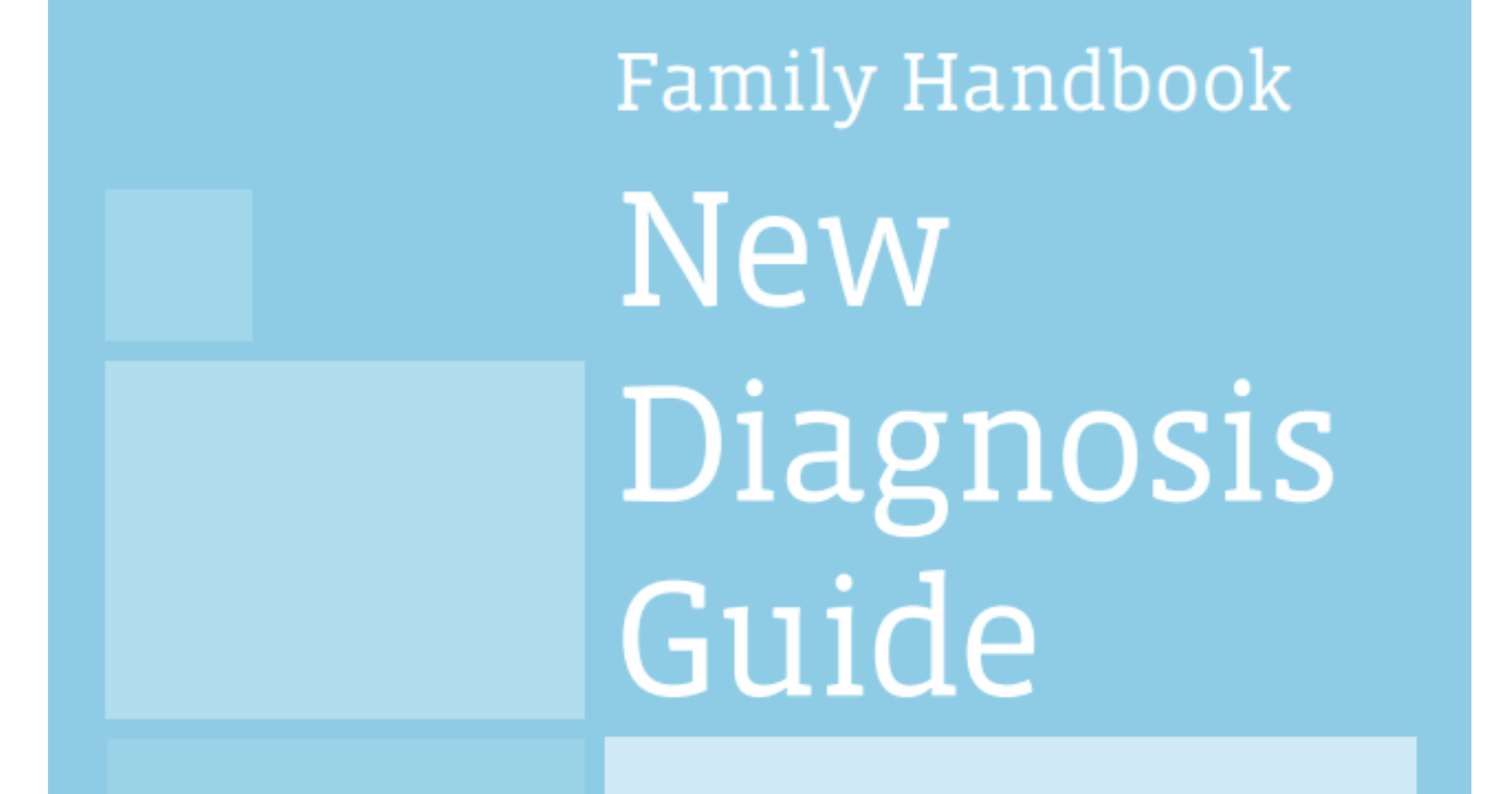
 Guided by the POGO fatigue CPG, the Children’s Oncology Group (COG) New Diagnosis Guide now incorporates information about fatigue, including describing fatigue as a symptom of cancer and cancer therapy and offering suggestions to families on how to manage fatigue. This guide can help you start the conversation.
Find the New Diagnosis Guide and other COG family resources here. https://childrensoncologygroup.org/cog-family-handbook
Review POGO’s clinical practice guidelines on fatigue, and other topics, here.
AboutKidsHealth has also developed some great resources about fatigue which you can read more about here: Cancer-related fatigue

Denise Mills, MN, RN(EC), NP Pediatrics
POGO Provincial Clinical Lead, Pediatric Oncology Nursing
References
- Hooke, M.C., & Linder, L.A. (2019). Symptoms in children receiving treatment for cancer-part 1: fatigue, sleep disturbance, and nausea/vomiting. Journal of Pediatric Oncology Nursing, 36(4), 244-261.
- Patel, P., et al. (2023). Guideline for the management of fatigue in children and adolescents with cancer or pediatric hematopoietic cell transplant recipients: 2023 update. www.thelancet.com Vol 63 September, 2023.
Meet Renee Smith, Compassionate and Experienced Pediatric Oncology Nurse at Windsor Regional Hospital
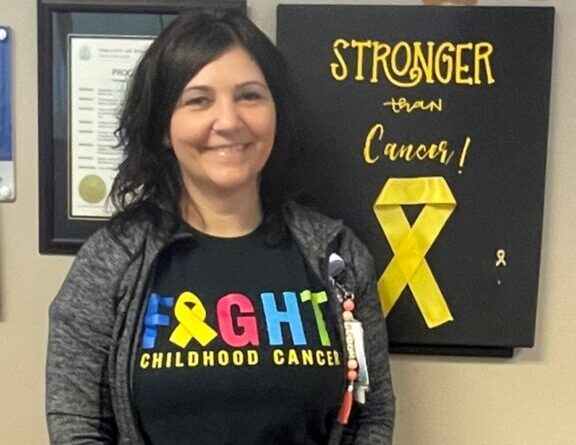
As a nurse at the POGO Satellite Clinic at Windsor Regional Hospital (WRH), Renee Smith plays a pivotal role in ensuring that pediatric oncology patients in the Windsor-Essex County area receive the care they need, closer to home. Her work is a testament to the power of empathy, teamwork, and dedication that makes a lasting impact on the families she serves. Here, Renee shares her experiences, insights, and the reasons why pediatric oncology nursing is so close to her heart.

Helping Children Receive Optimal Care
Renee’s role is focused on coordinating care for childhood cancer patients residing in the community. A key part of her mission is to help these children and families avoid long travel on the highway to reach a larger hospital with a specialized childhood cancer program.
“I work as the RN in the clinic, organizing appointments and working closely with our pediatrician and pharmacists to administer chemotherapy,” Renee explains. “Patients come to me for lab work, port access, blood transfusions, and supportive care as needed. If a child is feeling unwell, they can come to our POGO Satellite Clinic and be assessed on-site.”
The POGO Satellite Clinic at WRH also coordinates imaging and communicates with their partner hospital, Children’s Hospital, London Health Sciences Centre, to ensure patients receive optimal care. The highlight for Renee is the deep relationships she forms with the POGO families, helping them through one of the most difficult times in their lives.
“I love meeting the POGO families and working with them throughout their journey. It’s rewarding to be part of their lives, especially knowing that our work can help make a terrible time a little more bearable. I also love how the role allows me to continuously learn new information and grow as a nurse.”
A Journey in Nursing
Renee’s career journey is one of passion, dedication, and a deep love for pediatric care. She worked in pediatrics for 19 years before she began covering shifts in the POGO Satellite Clinic at WRH. She then spent three years in the chemotherapy suite of the Adult Cancer Centre, with a primary oncologist, managing patients with solid tumours, melanoma, and hematology.
However, Renee’s heart always remained with pediatric patients, and when the opportunity to return to the POGO Satellite Clinic became available, she jumped at the chance to be back with children and their families.
“I’ve always felt deeply connected to the pediatric population, and being part of the POGO team has been a dream come true,” says Renee.
Advice for Aspiring Nurses
For those interested in pursuing a career in pediatric oncology nursing, Renee offers some valuable advice:
“Be patient, listen actively, and develop strong communication skills. Children and families need to feel heard and supported. It’s also important to find healthy coping strategies through hobbies or exercise to maintain a balanced life and avoid burnout.”
She also emphasizes the importance of ongoing education. POGO offers several educational opportunities, including Satellite Education Day, AfterCare Education Day and virtual education.
“Pediatric oncology is constantly evolving, so staying up to date with new treatments and technologies is key. Work as part of a strong team, advocate for your patients, and always take the time to celebrate the small wins along the way.”
The Emotional Toll of Pediatric Oncology Nursing
Renee highlights one of the most pressing challenges in pediatric oncology nursing: the emotional toll. Nurses in this field witness the pain and suffering of children and their families, which can be incredibly difficult to cope with.
Above all, Renee reminds aspiring nurses not to neglect their own well-being.
“Taking care of yourself is just as important as taking care of your patients. It’s important to acknowledge the emotional strain that comes with the job. Nurses are there to support both the patients and their families, but sometimes we forget to take care of our own emotional needs. It’s crucial to recognize when burnout is a concern and to take steps to manage it.”
A Family Legacy of Nursing Begins
One recent achievement that Renee is particularly proud of is seeing her son, Owen, enter the nursing program at Western University.
“When I asked him why he chose nursing, he said it was because he remembers me always speaking so highly of the profession and its impact on helping people. He told me he wanted to follow in my footsteps and become the best nurse he could be. It was such an emotional and proud moment for me.”
Inspiring the Next Generation of Nurses
Renee’s story is one of inspiration, dedication, and unwavering commitment to the families she serves. Her work in pediatric oncology nursing touches the lives of children and families, making a profound impact during some of their most difficult times. Through her work, she exemplifies what it means to provide compassionate, high-quality care with a heart full of empathy.
We thank Renee for sharing her journey and insights. Her dedication continues to inspire not only the patients and families she cares for, but also the next generation of nurses, including her own son.

Reflections of a Bedside Nurse
Reflective practice is a cornerstone of pediatric hematology/oncology nursing—strengthening team collaboration, elevating standards of care, and supporting the emotional well-being of nurses. Its benefits are far-reaching, touching not only the nurses themselves but also the young patients and families they care for. Reflective Practice Corner is a standing section in The RePORTer—POGO’s Nursing Newsletter—featuring reflections from nurses across the province and offering insights into their experiences. It also invites readers to pause and consider the questions posed.
Clare Holton has been a registered nurse for five years and found her passion for pediatric oncology two years ago when she joined the pediatric oncology team at McMaster Children’s Hospital, Hamilton Health Sciences.


What lessons have you learned from your patients?
It is a privilege to care for children and their families as they navigate the challenges and milestones of the cancer journey. Every day offers something meaningful, especially through the invaluable lessons I have learned from my patients, which cause me to pause and reflect.
I remember caring for a five-year-old patient with neuroblastoma. His love for the small things in life and his ability to live for the moment were truly inspiring. His perspective was untainted by fear or doubt. This was truly a breath of fresh air and a resounding lesson in resilience. There was something profoundly inspiring in this patient’s unshakeable hope and pure-hearted view on life. He had a strong fighting spirit and a bright outlook that resonated with everyone around him. I remember walking into his room after he had several grueling days of chemotherapy. I heard Elton John’s “I’m Still Standing” playing and there he was playing with his race cars quietly singing along. That moment stuck with me, reminding me that even on our hardest days we can still stand on our own two feet and keep moving forward, even if it’s small steps. This has become one of the most powerful lessons I have learned working in pediatric oncology: to be hopeful, keep going, and never underestimate the strength found in resilience. Every time I hear that song, I think of this patient and his unwavering spirit, brightness, and strength in the highs and the lows. I carry this memory, especially on my own tough days, as a reminder of the incredible courage and resilience of the patients we care for.
How do you prioritize self-care?
While caring for my patients is my priority, on my days off I like to spend time in nature, reading, and at my family cabin with my family and with my dog. Working in an acute, fast-paced, and unpredictable environment is challenging at times especially during 12-hour shifts. I encounter both ups and downs, and I frequently experience emotionally difficult situations. On my days off, I really take advantage of doing the things I enjoy. I also engage in mindfulness and reflective practices to support a healthy work-life balance. This is important to me so that I can continue to provide family-centered compassionate care. I try to incorporate the same mindfulness into the workplace by embracing the ability to “take things as they come” while balancing it with the planning and the structure my job requires.
How do you stay motivated and inspired on tough days?
Caring for a child with cancer means supporting the entire family unit. One of the most difficult parts of this role is to navigate the delicate balance of offering hope with the reality of their diagnosis. I aim to be honest while maintaining compassion, giving the families space to process. It is a balance of holding hope while also preparing for the worst possible outcomes, and I try to walk that line with humility and grace.
Clare Holton, RN, has been a registered nurse for five years. She found her passion for pediatric oncology when she joined the pediatric oncology team at McMaster Children’s Hospital, Hamilton Health Sciences.
Related content: Reflective Practice IS Nursing Practice

Conversations With My Mom: A Childhood Cancer Survivor’s Guide to Awkward Health Talks
“Mom, why doesn’t that man have any hair?”
“Can I have a chair with wheel like that lady?”
Ah…the unfiltered curiosity of children. My twin brother and I were masters of asking deeply personal, highly inappropriate questions at the absolute worst times. Our poor mother was (and still is) my go-to person for pretty much everything. Like many parents, I am sure she sometimes dreaded fielding our loud and awkward inquiries in public places, but she always handled it with patience (and the occasional deep sigh).
Fast forward to our teenage years, my mother probably braced herself for awkward questions about puberty, sex or some horrifying combination of the two. But life threw a different kind of curveball: at age 11, I was diagnosed with acute myeloid leukemia (AML). Suddenly, my questions weren’t just embarrassing—they were existential.
“Why is this happening to me?”
“Am I going to die?”
While she did not always have a definitive answer, she answered truthfully and the best she could. And now, more than 20 years post-treatment, I still go to her first when I have a health question.
Which led to the semen sample incident.
One particularly awkward situation came about after my oncologist suggested a fertility test to check if my cancer treatment had affected my ability to have children. Simple enough, right? So, I went to a lab and inquired about giving a semen sample. What follows is the conversation I had on the phone with my mother while walking home (yes, on a busy public street).
Me: Hey, so I went to the lab today about that fertility test. The lady was very clear that I could not provide the sample there.
Mom: (sighs) Jamie, I really don’t need to hear this. (pause) Wait, so they don’t even give you a private room?
Me: Apparently not! Also, I have to abstain for a few days beforehand, and the sample has to be delivered within a specific time frame.
Mom: But you don’t have a car and you won’t make it on time by bus! Oh no. (pause) Can’t they just do it another way? Like, stick a big needle in there?
Me: I really hope not.
Mom: I really don’t need to hear about this… (pause) Anyway, have I told you about my mammograms?
Me: Yes. Repeatedly.
Fertility: The Question No One Wants to Ask
One of the hardest parts of surviving childhood cancer is dealing with the long-term effects—many of which don’t show up until years later. Fertility is a big one. It wasn’t on my 11-year-old mind, but fast forward a couple of decades, and suddenly, it’s a very real concern.
For some childhood cancer survivors, fertility can feel like an unanswered question lurking in the background. The only way to find out is through awkward, slightly mortifying medical tests. It’s not always an easy subject to talk about, but it’s important. Whether you’re considering having kids, exploring options like sperm or egg freezing, or just trying to understand how treatment may have affected you, asking the question is the first step. And if those conversations feel too awkward to have with a doctor, well—there’s always your mom.

Jamie is a childhood cancer survivor who takes pride in his role as Communications Assistant at POGO. His creativity and self-described “weirdness” is reflected in his writing and his presentations at POGO staff meetings. Reading and playing video games would be his well-developed hobbies if only his beloved cat, Lupin, would just give him some alone time.


Creative Corner with Ava
Hi to who ever is reading my entry! I’m a seventeen-year-old high school student. I’m three years into remission from a rare form of leukemia. I’ve always had a passion for creative pursuits, and I’ve been making art since I could hold a crayon 😂. It was my mom who taught me to colour. I remember colouring my very first character in our basement (it was a My Little Pony alicorn princess of space), with my mom helping me stay within the lines. Since then, I’ve continued to draw characters like dragons, monsters and my own original characters, and create stories for them. I’m working on becoming a Mangaka which is a Japanese- style comic artist/maker. As a side effect from the treatment I was on, I do have some issues with my hands, but I still plan to keep making characters and their stories. I love many forms of art like sculpting, water colour, sketching, mixed media and digital.
Thank you for taking the time to read this. – Ava


Finding Your Career Vibe
Author: Emma King
The Difference Between Passion and Purpose and Their Impact on Your Career

As early as age 16, individuals are often encouraged to contemplate their future careers—a decision that carries significant weight and long-term implications. However, being expected to determine your lifelong path at such an early age can be an overwhelming challenge. What happens when you feel lost and are not sure what direction will fulfill you? Whether you are exploring new career paths or redefining your goals, understanding the difference between passion and purpose can provide clarity and direction.
Here are some strategies to help navigate this uncertainty.
Understanding Passion vs. Purpose
Passion is often described as an activity or interest that ignites enthusiasm and brings personal fulfillment. It is what excites you, what you love doing, and what brings you joy in the present moment. Purpose, however, extends beyond individual satisfaction; it is the overarching impact you aspire to make in the world.
Passion fuels motivation, while purpose provides direction and meaning to one's efforts.
For example, if you are passionate about painting, you may find deeper purpose in using art to inspire, heal or connect with others. Passion serves as the emotional drive, while purpose ensures that drive contributes to something greater than oneself.

Strategies for Discovering Your Purpose
Identifying your purpose is a process that requires introspection, experimentation and self-awareness. Here are some effective methods to uncover what truly drives you.
- Self-Reflection: Ask yourself:
- What brings you joy or a sense of accomplishment, even on difficult days?
- What challenges have you overcome, and how did they shape your strengths?
- What impact do you want to have on others?
- Career and Personality Assessments: Personality and aptitude tests can offer valuable insights into your strengths, interests and work preferences. While they may not provide definitive answers, they serve as a foundation for exploring potential career paths aligned with your innate abilities.
- Exploring Volunteer Opportunities: Engaging in volunteer work provides firsthand experience in various fields while allowing you to assess what resonates with you on a deeper level. The key is not just what you volunteer for, but how it makes you feel. If you love baking, consider using that skill for a cause—such as preparing meals for shelters or organizing bake sales to support charitable organizations. Ask yourself: Do you enjoy the creative process? The precision? The joy of sharing your work with others? These small revelations can be instrumental in understanding what truly fulfills you.
- Networking and Mentorship: Speaking with professionals in different industries and seeking guidance from mentors can expose you to career trajectories you may not have previously considered. Learning from others' experiences can offer clarity on potential paths aligned with both your passion and purpose.

Navigating Uncertainty: What If You Don’t Know What You Love?
The commonly stated advice, "Do what you love, and you’ll never work a day in your life," is well-intentioned but often misleading. Many people struggle to pinpoint a singular passion, and that is perfectly normal. Passion is not always innate; rather, it is frequently discovered through exploration, trial and error, and evolving experiences.
If you feel uncertain, allow yourself the freedom to experiment. Engage in various activities, expose yourself to different things and reflect on what consistently brings you fulfillment. Instead of focusing on an immediate answer, embrace the journey of discovery, trusting that clarity will emerge over time.
Conclusion
Both passion and purpose play important roles in growing a fulfilling career. Passion ignites enthusiasm, while purpose offers a sense of contribution and direction. Those who integrate both elements into their professional lives often experience greater long-term satisfaction. If you are unsure of your path, take proactive steps to explore different avenues, seek meaningful experiences and reflect on what genuinely matters to you. Your personal journey has already equipped you with resilience, strength and a unique perspective—qualities that will guide you toward a purposeful and fulfilling career.
Speak with a POGO School and Work Transitions Counsellor if you have questions about what we can offer to support you on your passion and purpose journey.