POGO Strengthens Cancer Care for Adolescents and Young Adults (AYA) Across Ontario
AYA Cancer Awareness Week highlights need for equitable, age-appropriate cancer care for those aged 15 to 39
Toronto, ON – April 5, 2026 – The Pediatric Oncology Group of Ontario (POGO) is leading a province‑wide effort to improve access to age-appropriate care for adolescents and young adults with cancer, in collaboration with hospitals across Ontario and government partners.
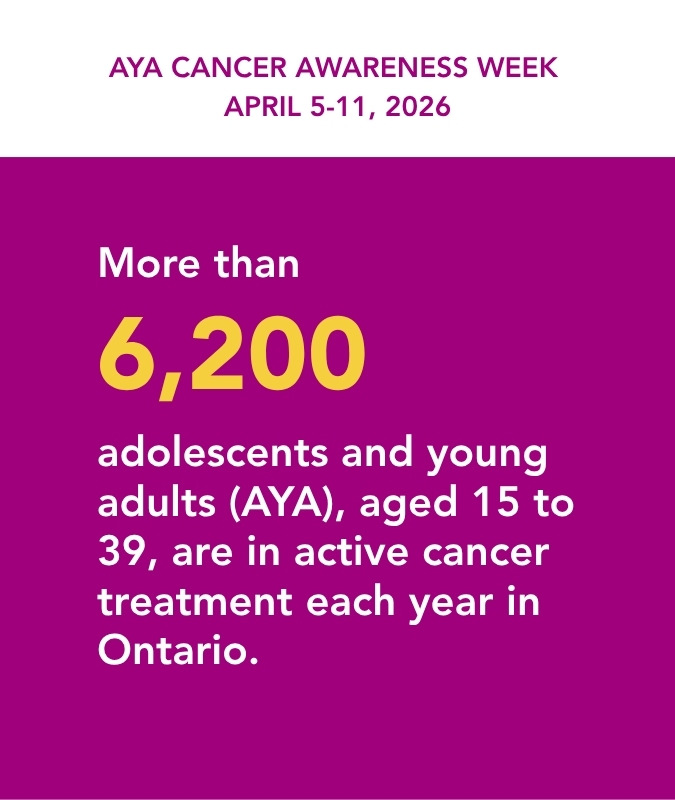
Each year in Ontario, more than 6,200 adolescents and young adults aged 15 to 39 are in active cancer treatment, including over 3,700 newly diagnosed patients. This age group is at a pivotal stage in their lives, often finishing school, starting careers, buying homes, and building families. A cancer diagnosis during this time can have far reaching effects on education, employment, mental health, fertility, relationships, and long term well-being — creating care needs that differ from those of children or older adults.
With the generous support of the Ministry of Health, POGO is supporting program expansion and working to ensure equitable access to expert care no matter where adolescents and young adults live in Ontario. POGO currently partners with eight hospitals across the province, where teams offer supports such as counselling for fertility preservation, mental health, sexual health, employment and education, as well as referrals to specialists.
“POGO is committed to ensuring that every adolescent and young adult with cancer has access to age appropriate care that reflects their distinct needs,” said Lauren Ettin, POGO CEO. “By working with our partners, we are building a provincial system that provides the right support to those between the ages of 15 and 39 at a critical juncture in their lives.”
POGO is partnering with and funding programs at the following Ontario hospitals:
- Hamilton Health Sciences
- London Health Sciences Centre
- Princess Margaret Cancer Centre
- Southlake Health
- Sunnybrook Health Sciences Centre
- The Ottawa Hospital
- Waterloo Regional Health Network Cancer Centre
- William Osler Health System

Scholarship Applications After Cancer: Hugh’s Practical Advice for Students
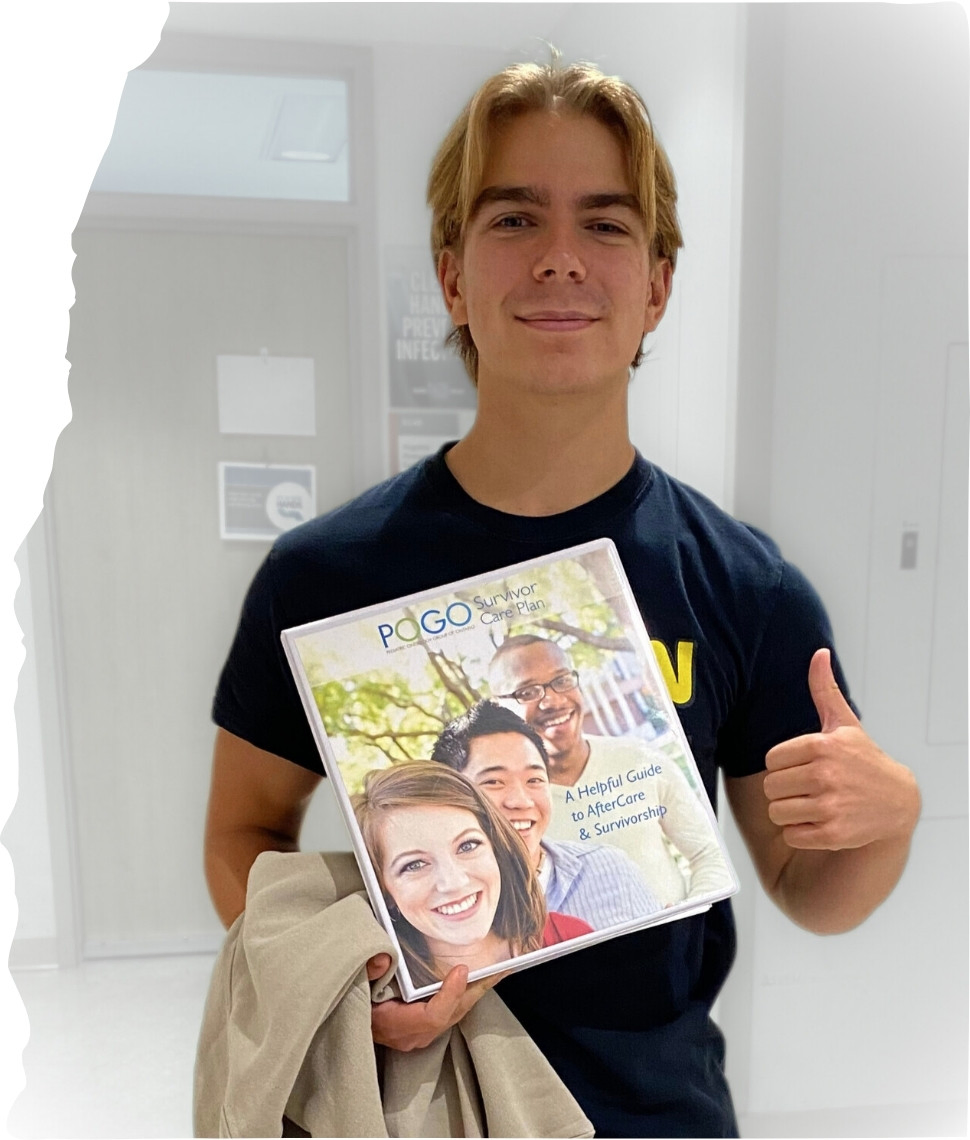
When Hugh, a brain tumour survivor, was applying to postsecondary school last year, he learned about scholarships from his POGO School and Work Transitions Counsellor, me!
We worked on the applications together and recently talked about the process and any advice he had for this year’s scholarship applicants.
“First find out which scholarships you qualify for,” Hugh says. “Some are looking for a specific diagnosis or disability while others are looking for things like people with lots of volunteer experience.”
It is important to read the application instructions carefully because they’re all different. If reading for detail is not your thing, ask someone to help.
Each scholarship asks for some kind of “Personal Statement” about your cancer journey and what your plans are for school and the future. After putting together a draft, Hugh sent his statements to me to look over and edit.
You’ll also need a letter with proof of your diagnosis, which is in your AfterCare Binder, or you can ask your medical team.
Some scholarships may also ask for a reference letter. “Each scholarship had different requirements, so it wasn’t one and done,” Hugh says. “Giving yourself lead time is a good idea: you have to ask for the reference, sometimes you have to provide them with background information about who you are and your relationship to them, and then you have to give them time to write it.”
Hugh found this time to be a bit overwhelming because so many things were happening at one time—deciding which school to go to, getting his accommodations set up, course selection, figuring out housing, all the while waiting to hear if he’d been awarded a scholarship.
Last summer, Hugh was happy to hear he’d been awarded not only one, but two scholarships for childhood cancer survivors!
Once he got the news, he still had a lot of work to do: send his social insurance number, write a thank you letter, provide a quote for each of their websites, figure out which scholarship sent the money to his school, and which sent it right to him. He also had never received a cheque before and had to figure out what to do with it!
Hugh recommends leaning on your support system to help you navigate this process. “I talked to family, friends who were already in postsecondary, my teachers including my special education resource teacher (SERT), the school guidance counsellor, and of course, my friendly neighbourhood School and Work Transitions Counsellor.”
This story was written by Helen Antoniades, POGO Counsellor, for the spring 2026 issue of the POGO School and Work Transitions Program newsletter.
Turn Your Childhood Cancer Experience into Support for Others
POGO School and Work Transitions Counsellors play a critical role in ensuring childhood cancer survivors have care specific to their needs and that they get the most from hospital and community supports to improve their overall well-being. Their strong relationships with community partners go a long way in strengthening the support POGO Counsellors provide.
Every day, POGO Counsellors meet with childhood cancer survivors and family members who carry a depth of wisdom, resilience, and compassion that can make a profound difference for someone who is just beginning or feeling alone in their own journey. CancerConnection.ca is an online peer support community offered by the Canadian Cancer Society. It is a safe place for people with cancer, and their loved ones, to connect, learn, and share their experiences.
As a volunteer facilitator in CancerConnection.ca, you’ll have the opportunity to share your story, offer support, and connect with others who truly understand. Many volunteers tell us that giving back not only helps others—it helps them reflect, heal, and feel part of something bigger.
Your voice matters. Your experience matters. And your presence could be exactly what someone else needs to feel less alone.
If this speaks to you, please contact Barb Williams, Manager, POGO School and Work Transitions Program, for more information.
If you don’t want to be a peer facilitator, that’s ok! You can still be a valuable part of the online community by joining the newly created Childhood Cancer Lived-Experience group.
This story was written for the spring 2026 issue of the POGO School and Work Transitions Program newsletter.
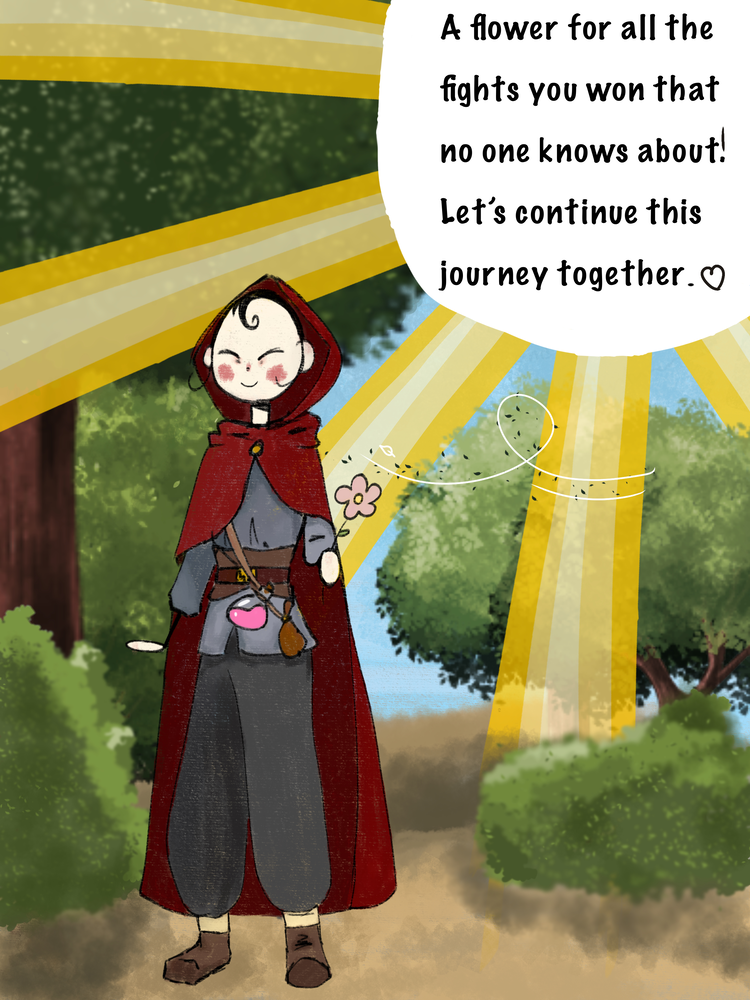
Creative Corner with Sarah
“Art makes me happy ‘cause it makes me feel freer and more 'in control' of my life!”
Sarah Eid
Diagnosis: Ewings Sarcoma
Tools: IPad, stylus, Sketchbook & pencil (for sketch)
App: Ibispaint
Time: ~5h
Creator/artist: All made by me!
Since I was a kid, I always loved drawing things (especially characters and outfits). Drawing always helped me feel better and get things out of my mind. Throughout elementary to high school, it always brought me peace.
When I first got diagnosed, I felt like I had nothing to do and that everything just stopped.That’s when I realized that all this free time (whether it was during treatment or waiting for results) was the perfect opportunity for me to enhance myself doing what I loved most and attempt new things in it (I started practicing more with watercolour and digital art!). It helped me get through a lot because it made me feel capable of doing the things I love and create a peaceful world for me that had all my stories and characters together without thinking much about what’s happening in the real world.
I felt proud and somewhat happy because I was getting better and expanding my abilities in something I always loved but rarely had time for. It made me feel like I was still kinda “me” even after all these changes and events . Art makes me happy ‘cause it makes me feel freer and more “in control” of my life! 😁
Creative Corner is a feature of the POGO School and Work Transitions Program newsletter that showcases the many creative strategies childhood cancer survivors use to cope, heal, and navigate their journeys, shared in their own voices.
The Privilege of a Heartbeat: A Teen Survivor Learns to Live Fully After Cancer
In today’s world, a lot of people (myself included) don’t seem to recognize just how important your health is. Most people couldn’t imagine how much their life would change if they were suddenly told, out of the blue, that you’d be spending the better part of the next eight months in a hospital bed. It really sucks, right? Well, that’s how my 16th year on this earth went, yet surprisingly, I would never trade my life for another. Not only did this unexpected health event change my views on day-to-day life, it also gave me a positive outlook on my life, no matter the situation.
In 2024, a month before my birthday, I was ultimately diagnosed with ALCL lymphoma. For a couple of months leading up to my diagnosis I was bedridden, unable to walk or do anything without being in excruciating pain due to a yet undiagnosed tumour that caused a pressure fracture in my spine. I remember waking up from a nap in the hospital room to my mom crying and the doctor trying to comfort her. I remember thinking about every little thing that I took for granted in life and how lucky I was (and still am) just to be alive. What I realized is that everything other than a heartbeat is a privilege.

“Our life is worth a million planets so live like it”
– Childhood Cancer Survivor
Now without giving you a sob story about this, I’m just going to say one thing: IT REALLY SUCKED. What sucked, you ask? I’ll tell you, but I you may not be expecting the answer about what a now 17 year-old boy missed about his life. If I’m being honest, it for sure sucked that I couldn’t go out in big crowds, or go to parties, or travel. The time in the hospital really made me miss a lot, and yeah, all that fun stuff would have been nice, but here’s what I really missed:
- Feeling healthy and being strong enough to do day-to-day tasks like walk to the kitchen
- Being able to stomach my favourite foods
- Working out and staying active
- Being able to shower without a pic line in my arm
- Being able to think
Most importantly I missed feeling normal.
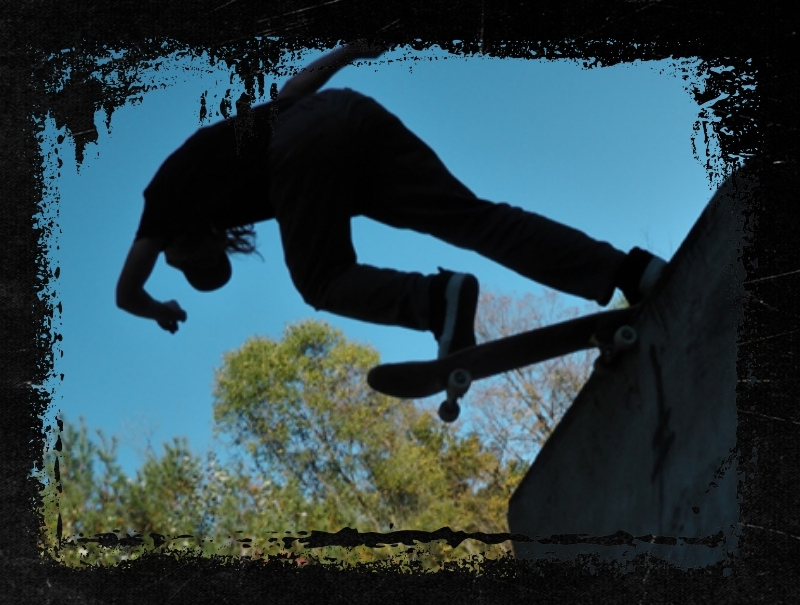
I have now been cancer-free since March 2025. It hasn’t been easy getting back to who I was, but feeling like I was a non-functioning member of society made me want to find my place. I now value my life like nothing else and have found hobbies I actually enjoy. Let me tell you, it feels absolutely amazing to have that smile back on my face. I finally get to be a real kid again and I am so grateful. Remember how I said your health is important? That includes protecting your body as well. Last October, I broke my elbow while skateboarding. I ended up having to be in a full arm cast for three months, putting me right back in the same situation of not being able to be productive or have fun. SO PLEASE be careful when you’re having fun and living every moment of your life to the fullest because you never know what the next chapter of your life will bring you.
Our life is worth a million planets so live like it. Instead of letting restrictions fully stop you from living, play a little game called “how far can I go?” Do not let restrictions put an end to your goals and hobbies because as long as you have a heartbeat, you should be grateful every morning you wake up.
This story was written by a childhood cancer survivor for the spring 2026 issue of the POGO School and Work Transitions Program newsletter.

Spotlight on Nursing Leader Dr. Lindsay Jibb: Pediatric Oncology Research Trailblazer
Dr. Lindsay Jibb’s work is grounded in real-world challenges witnessed firsthand at the bedside. Currently, she leads research in several key areas: improving pain outcomes for children with cancer, supporting parents managing their child’s care at home, and addressing the psychosocial needs of children with cancer and their families. At the core of it all is a strong commitment to patient- and family-centred research.
Every study includes patients, survivors, or family members as research partners — not just as participants.

“It’s not even an option anymore to exclude those voices,” says Dr. Jibb. “They are integral to generating meaningful questions, ensuring the research is practical, and helping us share results in ways that matter.” This dedication to patient-and-family-centred research is now being integrated into my own doctoral work, which looks at parent perspectives of decision-making about enrollment in clinical trials.
For Dr. Jibb, research has always been a central passion — one that has evolved into a dynamic and impactful career at SickKids and the University of Toronto, where she’s leading transformative work in pediatric oncology nursing.
Dr. Jibb’s path to research began as she completed her undergraduate degree in biology, which gave her early exposure to research through a thesis project. That experience sparked a love for scientific inquiry, leading to the pursuit of her master’s degree in biochemistry though her heart always remained in healthcare. When she later entered nursing school, she knew she wanted to blend her clinical training with her research background.
“I always knew I would involve research somehow,” she explains. “It was a chance to take all the learning we do as nurses — clinical, theoretical, and practical — and use it to directly improve care for patients and families.”
When Dr. Jibb was offered the opportunity to pursue her doctoral degree with Dr. Jennifer Stinson, she jumped, and has been leading innovative pediatric oncology nursing research since.
Unlike her earlier experiences in lab-based science, Dr. Jibb found nursing research to be deeply collaborative and community-oriented.
“As a PhD student, I felt so supported by the nurses, managers, and colleagues on the unit. It felt like we were all working together, and that sense of shared purpose really stuck with me.” As an educator and mentor, Dr. Jibb is passionate about building a pipeline for future nurse researchers. She is an incredible role model, actively demonstrating how nurses can take their bedside experience and employ it in a scientist role to improve experience and outcomes for patients.
“I always say, ‘my door is open,’” she laughs. “If you’re a nurse interested in research, I’ll review your CV, talk about school, or help you find a way in.” Looking ahead, Dr. Jibb is excited about the growing recognition of nursing research in Canada. “It’s an exciting time. Organizations like POGO are investing in this work, and the next generation of nurse researchers is full of energy and fresh ideas.”
For Dr. Jibb, the reward from her research is clear. “When a patient or parent comes back and says, ‘thank you,’ to know that the work we’re doing matters to those people that we’re doing it for makes it all worth it.”
This story was written for the fall 2025 issue of The RePORTer, POGO’s Nursing Newsletter by: Rachel Hamilton, RN, MN, PhD(s), PhD Student and RN – 8A Inpatient Haematology/Oncology at SickKids
Nominated by Rachel, Dr. Jibb is the winner of the 2025 POGO Nursing Leadership Award. Rachel considers it a privilege to work under Dr. Jibb’s mentorship. From their first meeting, Dr. Jibb’s passion for research and dedication to improving patient care stood out. Her warmth, intelligence, and commitment to nurturing emerging nurse researchers create an exceptional training environment. Bridging clinical practice and scientific inquiry, Dr. Jibb serves as a role model for students like Rachel. This spotlight draws from Rachel’s interview with Dr. Jibb, highlighting her inspiring journey, impactful research, and contributions to pediatric oncology nursing. Her story is both motivating and enlightening, offering a glimpse into the dedication and passion required to transform patient care through nursing research.


Homeward Bound: Building Pediatric Palliative Care Capacity in Northern Ontario
For many years, our team at the POGO Satellite Clinic in Sudbury, located at Northeast Cancer Centre, Health Sciences North (Health Sciences North), has recognized a significant gap in the number of healthcare providers with experience, knowledge, competency and confidence in caring for children with life-limiting illnesses, who are medically fragile or have complex care needs. As a result, many Northern Ontario families do not feel confident bringing their children home from children’s hospitals when they are receiving palliative or end-of-life care, due to limited expertise and support closer to home. This gap has placed a physical, emotional and financial burden on families who must remain far from their communities for extended periods. It also adds pressure to the pediatric palliative care facilities in Ottawa and Toronto.
We’ve long known that as oncology nurses and physicians, we have the skills and experience to care for medically fragile children who live nearby. However, children living in more remote Northern communities often lack access to the same level of care and support.
 In my role as the Sudbury POGO Interlink Nurse until recently, the only one serving all of Northern Ontario—I’ve had the privilege of building relationships with healthcare providers across the region. While we’ve offered case-by-case support, I’ve always dreamed of creating a more formal and consistent way to strengthen pediatric palliative care across the North.
That dream became a reality with support from POGO staff and a Kindred Cares Grant from the Kindred Foundation. This funding allowed us to deliver pediatric palliative care education to providers in key Northern Ontario communities, including Thunder Bay, Sault Ste. Marie, Sudbury, Timmins, and North Bay.
Before receiving the grant, I became a certified Pallium LEAP facilitator, which enabled me to share my knowledge and lived experience as a Northern provider familiar with the challenges of limited resources and services.
The education sessions funded by the Kindred Grant were delivered through two models:
- A 2-hour in-person community information session to share knowledge and foster open discussion.
- Two Pallium LEAP Pediatric courses, with funded spots for participants to engage deeply, share experiences, and learn collaboratively.
In total, 67 healthcare professionals from various disciplines participated in these sessions. Together, we explored challenges, brainstormed solutions, and shared both successes and setbacks in a supportive and inclusive environment.
As a result of this initiative, I have since established an online community of practice with providers across the North to help support sustained capacity building. Most importantly, this work has enabled more children and their families to return home for palliative and end-of-life care. There is still a lot work to be done, but I am optimistic about where we are headed.
This story was written for the fall 2025 issue of The RePORTer, POGO’s Nursing Newsletter by: Vicky Wilton, RN, POGO Interlink Nurse, Health Science North.

Reflections on Advances in Pediatric Oncology Survivorship and AfterCare
Eleanor Hendershot is an experienced pediatric oncology nurse at McMaster Children’s Hospital, whose career spans over 30 years, including roles at SickKids and Princess Margaret Cancer Centre. She is deeply focused on survivorship and AfterCare and is a dedicated advocate for evidence-based compassionate follow-up care for childhood cancer survivors.
 In reflecting on my last three decades working in pediatric oncology nursing, it’s evident that the field has undergone remarkable transformation. In particular, with my focus on AfterCare for the past 13 years, with experience across leading institutions, I’ve witnessed how advances in therapy, supportive care, and clinical research have significantly improved outcomes.
The majority of children are not only surviving cancer but also living long and productive lives. This progress has shifted attention toward survivorship, with increasing emphasis on the long-term health and well-being of pediatric cancer survivors.
Within survivorship care, the Children’s Oncology Group has developed evidence-based guidelines (www.survivorshipguidelines.org) to support routine screening for late effects of cancer and its treatment. These late effects are influenced by the type of disease and individual treatment exposures (chemotherapy, radiotherapy, surgery), and may include second malignancies, organ dysfunction (cardiovascular, auditory, bony, renal, pulmonary, endocrine, neurocognitive, etc.), and psychosocial concerns. Importantly, late effects may emerge years or even decades after therapy ends, making survivorship care an essential component of comprehensive oncology practice.
One of the most significant recent advances in this field is the refinement of late-effects screening based on new evidence, research and expert consensus. A key example is the monitoring of cardiomyopathy (disease of the heart muscle) in survivors treated with anthracyclines (a type of chemotherapy used to treat certain types of cancer such as leukemia and lymphoma). Until recently, guidelines recommended lifelong echocardiograms for all survivors, regardless of cumulative anthracycline dose. New evidence, however, has demonstrated that survivors who received less than 100 mg/m² are not at increased risk of cardiomyopathy and therefore do not require lifelong routine echocardiographic surveillance.
Although this adjustment may appear modest, its impact is profound. Survivors of leukemia, the largest survivor population, typically receive low cumulative anthracycline doses. For these patients and their families, lifelong counselling and repeated cardiac screening created unnecessary anxiety and reinforced the sense of living under ongoing medical surveillance. From a cost-benefit perspective, routine echocardiography in low-risk patients carried significant cost and resource implications without measurable benefit.
As part of the updated guidelines, ongoing heart monitoring is no longer required, allowing leukemia survivors, in some instances, to be discharged from follow-up care once they are ten years post-therapy and have reached the age of 18 or if they are a teenager when diagnosed until both criteria are met.

The benefits of this targeted approach extend well beyond medical outcomes. By reducing unnecessary tests and clinic visits, survivors and families gain greater peace of mind and some relief from the intensity of lifelong surveillance, while healthcare systems benefit from more efficient use of resources. Just as importantly, minimizing disruptions to education, employment, and social development allows survivors to move forward in their lives with greater confidence. This balance—protecting long-term health while recognizing that not all survivors carry the same risks—has become central to modern, individualized survivorship care.
In reflecting on the evolution of pediatric oncology nursing and survivorship care, it’s clear that our field has made tremendous strides—not only in improving survival rates but also in refining how we support survivors long-term. The shift toward individualized care, such as updated cardiac screening guidelines, has reduced unnecessary interventions and empowered survivors to live with greater confidence.
Since 2001, POGO has been a cornerstone in supporting survivors of childhood cancer through its AfterCare Clinic Program network. Today, eight POGO AfterCare Clinics across Ontario serve more than 5,000 survivors, helping ensure that children, adolescents and young adult survivors of childhood cancer receive the essential follow-up care they need to lead healthy, fulfilling lives.
This contribution to “Reflective Practice Corner” was written for the fall 2025 issue of the RePORTer by Eleanor Hendershot, MN, BScN, RN, Pediatric Nurse Practitioner, McMaster Children’s Hospital.
Reflective Practice Corner, a standing section in The RePORTer—POGO’s Nursing Newsletter—features reflections from nurses across the province, offering insight into their experiences. It also invites readers to pause and consider the questions posed.

Delivering Nursing Education in Thunder Bay, Ontario: A Perspective of Learning and Connection
As pediatric oncology nurses working across Ontario, we share a deep commitment to advancing care for children with cancer. Representing three distinct institutions, we bring together a blend of clinical expertise, Satellite clinic experience, and case management insight. In March 2025, we had the opportunity to travel to Thunder Bay Regional Health Sciences Centre (TBRHSC) to deliver nursing education, including the Association of Pediatric Hematology/Oncology Nurses (APHON) Pediatric Chemotherapy and Biotherapy Provider course, in preparation for the launch of the POGO Satellite Clinic and POGO Interlink program.

The teaching experience itself was rewarding on many levels. As instructors, it was a chance not only to teach but also to learn from one another. Each of us brought unique perspectives: Kirsty shared a wealth of clinical expertise and knowledge of Satellite care; Kyt contributed deep insights from his extensive background across nearly every pediatric oncology nursing role; and Diana represented one of Thunder Bay’s main referring centres. Observing each other’s teaching styles highlighted both the common ground we share and the distinct approaches that shape our practice.
In addition to the Chemotherapy/Biotherapy course, we delivered two full days of targeted education, to four enthusiastic clinic nurses, on key pediatric oncology topics, including bone marrow suppression, treatment side effect management, fever/neutropenia and sepsis, supportive care, and oncologic emergencies. Some of these topics were identified by the Thunder Bay team (Amy Halvorsen, Manager of Pediatrics, and Nicole Zuefle, POGO Interlink Nurse and Satellite Nurse Coordinator) as areas where additional education was needed. Hands-on learning in central venous line care, port accessing, and closed-system transfer device use provided valuable practical experience. The strong attendance from nurses, physicians, and learners reflected the Thunder Bay team’s dedication and commitment to advancing care.
 The trip also offered perspective. Experiencing the distance firsthand underscored the challenges families face when traveling for treatment. The POGO Satellite Clinic at TBRHSC will help ease that burden, allowing children and families to receive care closer to home. This reinforced an important truth: across the province, dedicated pediatric oncology nurses provide specialized care every day. Each individual effort contributes to something greater — a shared commitment to supporting children and families facing cancer.
It was a privilege to meet the TBRHSC nurses and welcome them officially to the POGO family. Their enthusiasm, expertise, and pride in their space were inspiring. Having connected with them in person, it feels especially meaningful when we now send patients their way.
Outside of work, we had time to explore Thunder Bay together. We visited the Terry Fox monument, Kakabeka Falls (“the Falls of the North”), the Sleeping Giant, and enjoyed local cuisine. Weather delays stretched our trip by an extra day — yet another reminder of how travel challenges can impact families seeking treatment. And, from the moment we arrived, it was clear that the local Indigenous culture was thoughtfully woven into the hospital environment. Parking lots were named after animals of spiritual significance, and we learned about the hospital’s Spiritual Care Team, which offers patients and families traditional practices such as smudging. This integration of culture into care was both meaningful and inspiring to see.
The TBRHSC nurses sent us off with a sweet farewell: a box of their famous Persian doughnuts. It was the perfect ending to a trip filled with learning, connection, and shared purpose.
This story was written for the fall 2025 issue of The RePORTer, POGO’s Nursing Newsletter by: Diana Masse, RN, Nurse Case Manager Children’s Hospital, London Health Sciences Centre, Kirsty Morelli, NP, Satellite Nurse Coordinator, Scarborough Health Network, Kaniska Young-Tai (Kyt), RN, Satellite Nurse Coordinator SickKids
Ryley’s Superman Journey: From Diagnosis to Daycare
When I was pregnant, everything looked perfect. My wife Jessica and I had gone through insemination, every test came back clear, and we felt reassured. At our anatomy ultrasound, they mentioned Ryley’s kidneys looked slightly enlarged, but said not to worry, that it was common in boys and usually resolved after birth. So we didn’t worry.
Ryley was born via C-section on May 5, 2023. Before we were discharged, we were sent for a routine ultrasound. That’s when everything changed. A pediatrician walked into our room, sat down, and handed us a report. At the bottom it read, “possible cancer.” In one breath, I went from holding my newborn to wondering if he would survive the night.
 We were told he needed to be transferred to the children’s hospital in Toronto. They said it could wait until Monday, but I couldn’t bear the thought of sitting in limbo. Jessica and I packed what we could and drove through the night.
Once we arrived, everything blurred together: ultrasounds, bloodwork, catheters, and more. On May 11, Ryley had his biopsy. He struggled to wake up afterward and was sent to intensive care. Days later, we heard the words I had been bracing myself for: rhabdomyosarcoma, a rare type of cancer that starts as a growth of cells in soft tissue. Our oncologist explained that Ryley would need 14 rounds of chemotherapy. I did the math. He’d be nearly two years old when it ended. His entire babyhood would be spent in treatment.
As a nurse, I sometimes slipped into professional mode when discussing tests or procedures. But most of the time, I was just scared, exhausted, and trying to keep it together—for Ryley and for Jessica.
Chemo began just four days later. While we started treatment in Toronto, Ryley’s care quickly became a split between SickKids Hospital and the POGO Satellite Clinic in Sudbury. He got sick often—dangerously sick.
We took multiple emergency flights, including helicopter rides, back to Toronto when his condition worsened. In that first year alone, we travelled over 50,000 kilometers. Our lives became a blur of hospital rooms, highway stretches, and moments that tested every ounce of strength we had.
When we first came home to Sudbury, Vicky, our POGO Interlink Nurse, became a lifeline. We had drained our savings and were trying to stay afloat. She helped us find and access every bit of support available, including financial assistance from POGO, the POGO hotel program for trips back and forth to Toronto, and even other community resources when the costs began to pile up. Vicky made sure we were never completely on our own.
Still, the road was far from easy. Ryley faced multiple infections, sepsis, allergic reactions, and dangerous fevers that would spike in minutes. Surgery was the next big step. The plan was to remove his bladder entirely, but after twelve agonizing hours in the waiting room, the surgeon told us he had managed to save part of it and reconstruct it.
That felt like the best day of our lives.
The weeks after surgery were brutal. Catheter blockages led to kidney injury. Ryley’s incision split, and I found myself holding his bowel in my hands, shouting for help. He was rushed back into surgery. Later, there was a suspected bowel obstruction and another emergency operation. And then the Code Blue I will never forget. Ryley was limp in my arms with a 42+ degree fever and unresponsive. Jessica and I thought we’d lost him, but somehow, he made it through.
And then, again, another best day of our lives.
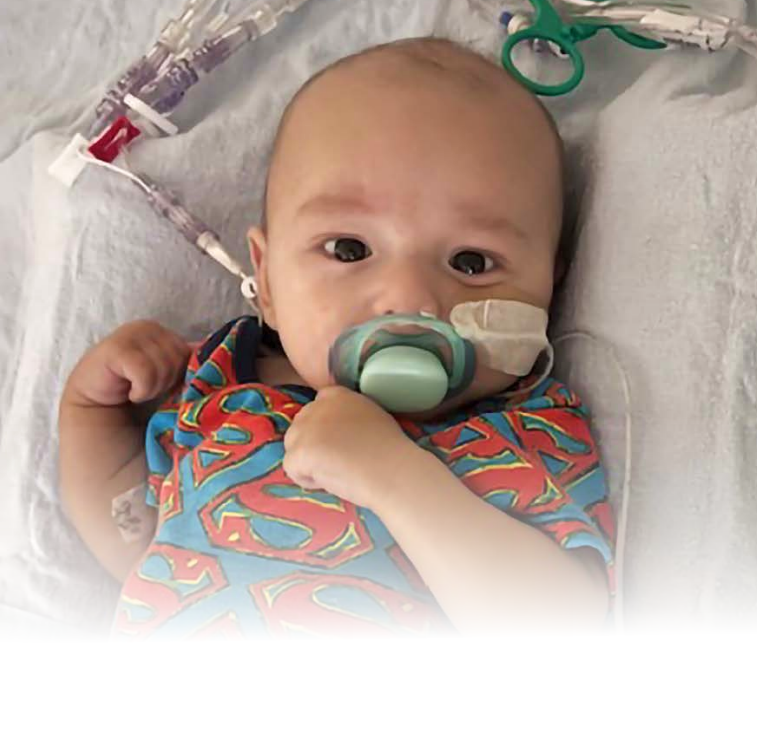
 Through it all, Ryley amazed everyone. Even as a tiny baby, he smiled at nurses, watched every procedure with curiosity, and charmed entire teams. We started calling him Superman. We had shirts made, and to this day, he still wears his superhero gear proudly.
Ryley finished chemo in October 2024. For six months after, he was still considered immunocompromised. Only this past spring did he finally receive his vaccinations. By summer 2025, he was ready for daycare. Watching him walk into that room healthy, strong, and ready to play felt like the return of the life we had dreamed of since the day he was born.
And through it all, the Sudbury POGO Satellite Clinic was our anchor. I don’t know how we would have managed without it. The clinic became our second family. Ryley adored the nurses, and they adored him. Being close to home meant we had family support and a sense of normal when nothing felt normal. Those nurses watched him grow, celebrated his milestones, advocated for us, and even visited his daycare to help staff understand what he’d been through.
Ryley is two now. He still has challenges ahead, but he is here, laughing, growing, and living his little boy life. And every day, we are grateful for the care that carried us through the darkest moments and gave us this chance to look forward.
By Danika Bergeron