The Privilege of a Heartbeat: A Teen Survivor Learns to Live Fully After Cancer
In today’s world, a lot of people (myself included) don’t seem to recognize just how important your health is. Most people couldn’t imagine how much their life would change if they were suddenly told, out of the blue, that you’d be spending the better part of the next eight months in a hospital bed. It really sucks, right? Well, that’s how my 16th year on this earth went, yet surprisingly, I would never trade my life for another. Not only did this unexpected health event change my views on day-to-day life, it also gave me a positive outlook on my life, no matter the situation.
In 2024, a month before my birthday, I was ultimately diagnosed with ALCL lymphoma. For a couple of months leading up to my diagnosis I was bedridden, unable to walk or do anything without being in excruciating pain due to a yet undiagnosed tumour that caused a pressure fracture in my spine. I remember waking up from a nap in the hospital room to my mom crying and the doctor trying to comfort her. I remember thinking about every little thing that I took for granted in life and how lucky I was (and still am) just to be alive. What I realized is that everything other than a heartbeat is a privilege.
“Our life is worth a million planets so live like it”
– Childhood Cancer Survivor
Now without giving you a sob story about this, I’m just going to say one thing: IT REALLY SUCKED. What sucked, you ask? I’ll tell you, but I you may not be expecting the answer about what a now 17 year-old boy missed about his life. If I’m being honest, it for sure sucked that I couldn’t go out in big crowds, or go to parties, or travel. The time in the hospital really made me miss a lot, and yeah, all that fun stuff would have been nice, but here’s what I really missed:
- Feeling healthy and being strong enough to do day-to-day tasks like walk to the kitchen
- Being able to stomach my favourite foods
- Working out and staying active
- Being able to shower without a pic line in my arm
- Being able to think
Most importantly I missed feeling normal.
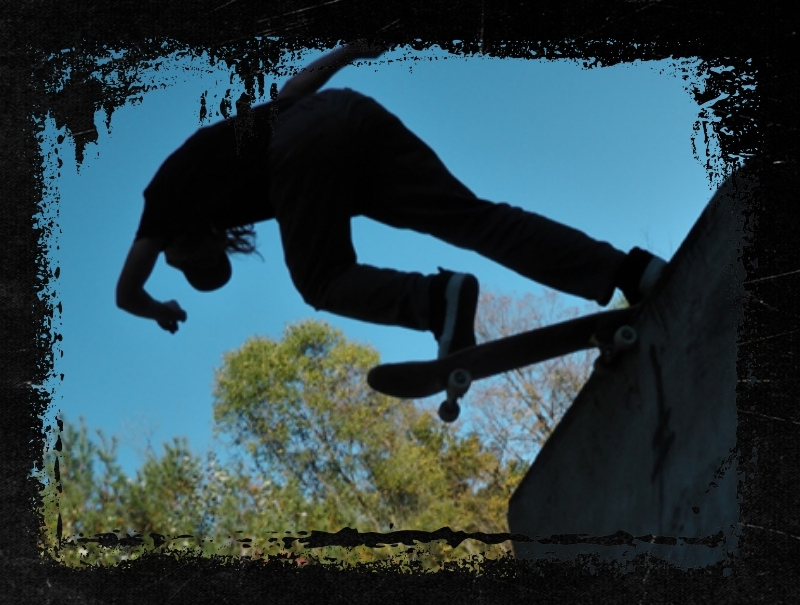
I have now been cancer-free since March 2025. It hasn’t been easy getting back to who I was, but feeling like I was a non-functioning member of society made me want to find my place. I now value my life like nothing else and have found hobbies I actually enjoy. Let me tell you, it feels absolutely amazing to have that smile back on my face. I finally get to be a real kid again and I am so grateful. Remember how I said your health is important? That includes protecting your body as well. Last October, I broke my elbow while skateboarding. I ended up having to be in a full arm cast for three months, putting me right back in the same situation of not being able to be productive or have fun. SO PLEASE be careful when you’re having fun and living every moment of your life to the fullest because you never know what the next chapter of your life will bring you.
Our life is worth a million planets so live like it. Instead of letting restrictions fully stop you from living, play a little game called “how far can I go?” Do not let restrictions put an end to your goals and hobbies because as long as you have a heartbeat, you should be grateful every morning you wake up.
This story was written by a childhood cancer survivor for the spring 2026 issue of the POGO School and Work Transitions Program newsletter.

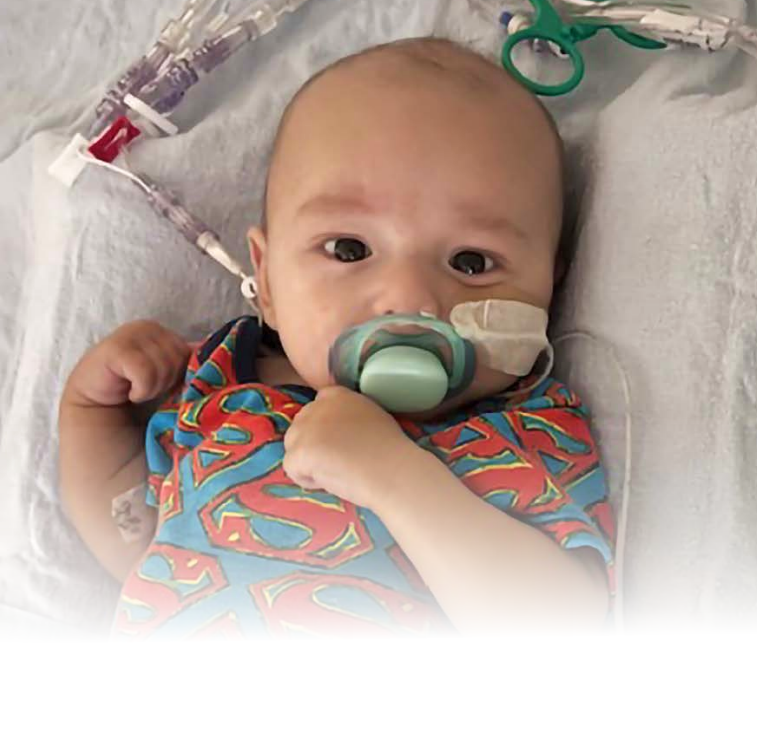
Ryley’s Superman Journey: From Diagnosis to Daycare
When I was pregnant, everything looked perfect. My wife Jessica and I had gone through insemination, every test came back clear, and we felt reassured. At our anatomy ultrasound, they mentioned Ryley’s kidneys looked slightly enlarged, but said not to worry, that it was common in boys and usually resolved after birth. So we didn’t worry.
Ryley was born via C-section on May 5, 2023. Before we were discharged, we were sent for a routine ultrasound. That’s when everything changed. A pediatrician walked into our room, sat down, and handed us a report. At the bottom it read, “possible cancer.” In one breath, I went from holding my newborn to wondering if he would survive the night.
 We were told he needed to be transferred to the children’s hospital in Toronto. They said it could wait until Monday, but I couldn’t bear the thought of sitting in limbo. Jessica and I packed what we could and drove through the night.
Once we arrived, everything blurred together: ultrasounds, bloodwork, catheters, and more. On May 11, Ryley had his biopsy. He struggled to wake up afterward and was sent to intensive care. Days later, we heard the words I had been bracing myself for: rhabdomyosarcoma, a rare type of cancer that starts as a growth of cells in soft tissue. Our oncologist explained that Ryley would need 14 rounds of chemotherapy. I did the math. He’d be nearly two years old when it ended. His entire babyhood would be spent in treatment.
As a nurse, I sometimes slipped into professional mode when discussing tests or procedures. But most of the time, I was just scared, exhausted, and trying to keep it together—for Ryley and for Jessica.
Chemo began just four days later. While we started treatment in Toronto, Ryley’s care quickly became a split between SickKids Hospital and the POGO Satellite Clinic in Sudbury. He got sick often—dangerously sick.
We took multiple emergency flights, including helicopter rides, back to Toronto when his condition worsened. In that first year alone, we travelled over 50,000 kilometers. Our lives became a blur of hospital rooms, highway stretches, and moments that tested every ounce of strength we had.
When we first came home to Sudbury, Vicky, our POGO Interlink Nurse, became a lifeline. We had drained our savings and were trying to stay afloat. She helped us find and access every bit of support available, including financial assistance from POGO, the POGO hotel program for trips back and forth to Toronto, and even other community resources when the costs began to pile up. Vicky made sure we were never completely on our own.
Still, the road was far from easy. Ryley faced multiple infections, sepsis, allergic reactions, and dangerous fevers that would spike in minutes. Surgery was the next big step. The plan was to remove his bladder entirely, but after twelve agonizing hours in the waiting room, the surgeon told us he had managed to save part of it and reconstruct it.
That felt like the best day of our lives.
The weeks after surgery were brutal. Catheter blockages led to kidney injury. Ryley’s incision split, and I found myself holding his bowel in my hands, shouting for help. He was rushed back into surgery. Later, there was a suspected bowel obstruction and another emergency operation. And then the Code Blue I will never forget. Ryley was limp in my arms with a 42+ degree fever and unresponsive. Jessica and I thought we’d lost him, but somehow, he made it through.
And then, again, another best day of our lives.
 Through it all, Ryley amazed everyone. Even as a tiny baby, he smiled at nurses, watched every procedure with curiosity, and charmed entire teams. We started calling him Superman. We had shirts made, and to this day, he still wears his superhero gear proudly.
Ryley finished chemo in October 2024. For six months after, he was still considered immunocompromised. Only this past spring did he finally receive his vaccinations. By summer 2025, he was ready for daycare. Watching him walk into that room healthy, strong, and ready to play felt like the return of the life we had dreamed of since the day he was born.
And through it all, the Sudbury POGO Satellite Clinic was our anchor. I don’t know how we would have managed without it. The clinic became our second family. Ryley adored the nurses, and they adored him. Being close to home meant we had family support and a sense of normal when nothing felt normal. Those nurses watched him grow, celebrated his milestones, advocated for us, and even visited his daycare to help staff understand what he’d been through.
Ryley is two now. He still has challenges ahead, but he is here, laughing, growing, and living his little boy life. And every day, we are grateful for the care that carried us through the darkest moments and gave us this chance to look forward.
By Danika Bergeron

Even superheroes need help. Be the sidekick every superhero needs: Donate Today

“Cancer has been a thief in our lives”: A Mother’s Story
When Jordan’s son Kian was diagnosed with leukemia, her family’s world shifted overnight. With four young boys and a dairy farm to run, life in their small Ontario community was already busy—but nothing could have prepared them for what came next. Through months of hospital stays, setbacks, and small triumphs, the POGO Satellite Clinic in Kitchener-Waterloo became their lifeline. Here, Jordan shares her family’s story.
 My name is Jordan, and I’m the proud mom of four boys: Arian, who’s nine; Tias, who’s six; Kian, who’s five, and little Taren, who’s three.
Before cancer, our days were filled with school runs, speed skating, and helping my husband on our dairy farm. It was a full, happy, chaotic life.
Then Kian started spiking fevers and complaining of tummy pain. After two weeks, my nursing instincts told me something wasn’t right. I pushed for tests. The bloodwork came back abnormal, and before we knew it, we were being transferred to the Children’s Hospital more than 100 km away in Hamilton.
At first, doctors suspected infection or sepsis. Leukemia wasn’t obvious because there were no bruises or the usual signs. But then came the words no parent ever expects to hear: your child has cancer.
From that day forward, everything changed.
Kian’s treatment was filled with complications. He needed a rare blood transfusion flown in from BC because of unusual antibodies. He developed an infection at his bone marrow site. And he had to have an NG tube—a thin tube through his nose into his stomach—for both chemo and feeding. The adhesive from the tube caused painful skin infections, and his blood counts were painfully slow to recover.
We expected to be at hospital for a week but ended up living there for two months. The high-dose steroids brought a whole other set of challenges: a puffy face, weight gain, mood swings, and hunger that made him “hangry.”
But the physical part was only half of it.
Cancer has been a thief in our lives.
My husband is a dairy farmer, and you can’t just take time off when you own the farm. So, I left my nursing job (eventually giving up my license) to manage Kian’s care full-time. Cancer didn’t just bring financial strain; it stole time, attention, and energy from our whole family. It changed who we are, how we parent, and who remains in our lives.
It stole bonding time with my youngest son, time I’ll never get back. It left my older kids wrestling with anxiety and feeling invisible. My eldest, Arian, once wrote that “everyone is always concerned about Kian, but forget that we exist.” Hearing that as a mom breaks you.
Coming home after long hospital stays was hard. Kian looked like a different child. He was bloated from steroids, a tube taped to his face, unable to walk steadily. Sometimes he crawled; sometimes his brothers had to help him move. Watching your child lose basic abilities is devastating.
But there were moments of grace. Once, when all Kian wanted was dill pickles, a friend showed up with a jar—peeled and cut small enough not to irritate his feeding tube. To anyone else, it might have looked like a jar of pickles. To me, it was survival.
And then, there was POGO.
I can’t describe what a gift it is to have some piece of normalcy when everything else has been torn apart.
The POGO Satellite Clinic in Kitchener-Waterloo became our lifeline. Instead of driving hours to Hamilton, Kian could get expert care close to home. That meant less time on the road, more time with his brothers, and a chance for all of us to feel normal again.
I can’t describe what a gift it is to have some piece of normalcy when everything else has been torn apart.
Beyond care, the clinic gave us something just as important: community. The staff knew us by name. They understood the ups and downs of treatment and made us feel seen. Through POGO, we learned that we were never alone in this.
 Today, Kian is strong, funny, and creative. He’s even started making videos to help other kids understand what cancer treatment is like. That’s who he is: a little boy who turns something painful into something that helps someone else.
When I look at Kian, I see how far he’s come, but I also see how far we’ve come as a family. My husband and I have weathered storms we never imagined. Arian, Tias, and Taren have learned resilience no child should need to. And I’ve learned that asking for help—and accepting it—is not weakness. It’s survival.
– By Jordan Vanstee
For Childhood Cancer Awareness Month, the Vanstee family hosted the second annual Kian’s Skate for Childhood Cancer to raise awareness and funds for POGO. The event surpassed its goal, raising nearly $6,400 in support of care for children with cancer and their families.
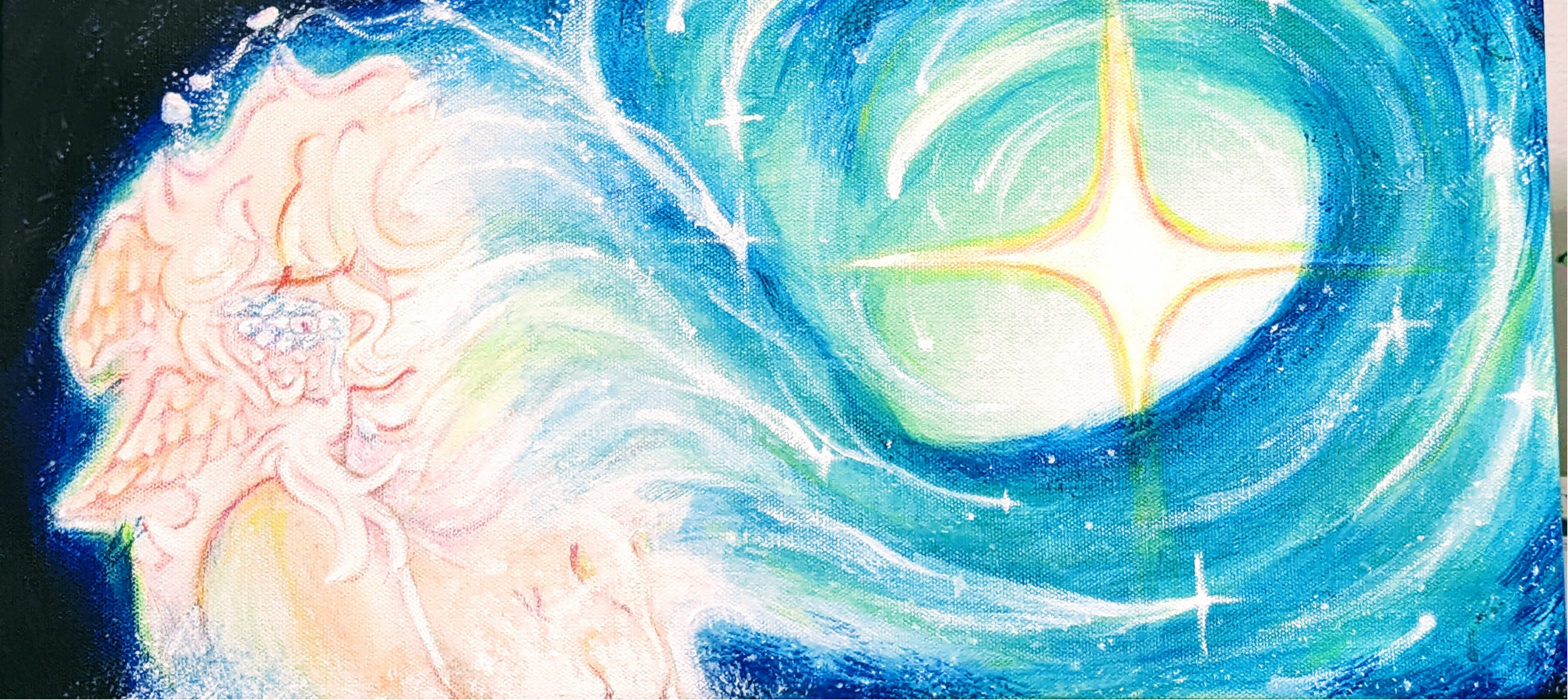
Creative Corner with Ava
Hi to who ever is reading my entry! I’m a seventeen-year-old high school student. I’m three years into remission from a rare form of leukemia. I’ve always had a passion for creative pursuits, and I’ve been making art since I could hold a crayon 😂. It was my mom who taught me to colour. I remember colouring my very first character in our basement (it was a My Little Pony alicorn princess of space), with my mom helping me stay within the lines. Since then, I’ve continued to draw characters like dragons, monsters and my own original characters, and create stories for them. I’m working on becoming a Mangaka which is a Japanese- style comic artist/maker. As a side effect from the treatment I was on, I do have some issues with my hands, but I still plan to keep making characters and their stories. I love many forms of art like sculpting, water colour, sketching, mixed media and digital.
Thank you for taking the time to read this. – Ava