Evaluating Healthcare Simulation Escape Rooms as an Educational Tool in Nursing Continuing Education: A Fellowship Journey
By: Brennah Holley
Fellowship Overview
Brennah Holley, Clinical Nurse Educator at CHEO in Ottawa (and former Co-Chair of the POGO Nursing Committee), recently completed an Advanced Clinical Practice Fellowship (ACPF) through the Registered Nurses Association of Ontario and is now conducting an exciting research project (directly related to her fellowship) to explore the potential of Healthcare Simulation Escape Rooms (HSER) as an innovative educational tool in nursing. With the nursing profession facing pressing challenges such as staffing shortages and varied learning needs, her research aims to assess whether HSERs can enhance knowledge acquisition among nursing staff.
“HSERs merge gamification with traditional learning, creating engaging team-based experiences,” Brennah explains. As defined by Anderson et al. (2020), HSERs infuse healthcare themes into interactive escape room settings, offering a fresh platform for education and assessment.
Research Objective and Methodology
At the heart of Brennah’s research is the objective to evaluate HSERs' effectiveness in nursing education. The study, which began in early 2024, will investigate whether engaging in an HSER focused on anaphylaxis leads to better knowledge retention and application compared to traditional lecture formats.
In a randomized controlled trial, nurses at CHEO will be divided into two groups: Group A will receive a lecture, while Group B will experience both the lecture and the HSER. “This approach allows us to gather vital data on the impact of immersive learning,” she notes.
Learning Experience and Skill Development
Brennah’s journey through the fellowship has been rich with learning. She acquired essential skills in research design, ethics submissions, and statistical analysis. Working alongside the Clinical Research Unit (CRU) at CHEO, she navigated the complexities of ethics applications, completing necessary training and developing vital documentation like consent forms.
Addressing knowledge gaps in statistical analysis was a significant focus for Brennah. By collaborating with a co-investigator from CHEO’s CRU, she enhanced her research capacity. “This partnership has been instrumental in refining my project,” she emphasizes.
Brennah also developed her skills in survey design and literature reviews, both critical for creating effective educational tools.

Outcomes and Future Directions
Data collection for her research will extend until early 2025, with plans to draft a manuscript by fall 2025. The implications of Brennah’s research could be profound, providing evidence to support the integration of HSERs into nursing curricula and continuing education programs. “Ultimately, we want to enhance patient care through improved educational strategies,” she states.
Reflections
Reflecting on her ACPF experience, Brennah describes it as transformative, filled with opportunities for professional growth. Presenting at international conferences and collaborating with nurse educators worldwide have enriched her journey. As she begins her master’s in Nursing, she is eager to further explore innovative educational methodologies, with HSERs leading her efforts to improve nursing practice.
In summary, Brennah Holley’s fellowship at CHEO highlights the promise of innovative educational approaches in nursing, paving the way for advancements in continuing education and enhanced patient care.
“We are on the brink of a new era in nursing education,” she concludes, optimistic about the future.
To learn more about Brennah’s fellowship experience or research endeavours, feel free to reach out to her.

Improving the Experience: Innovating the Standard Blinatumomab Medical Backpack at SickKids
By: Alia Petropoulosand Lisa Honeyford
Blinatumomab is an immunotherapy primarily used to treat certain types of blood cancers. Its administration necessitates a continuous 28-day infusion delivered on an outpatient basis that families typically can manage at home. Although a standard medical-grade bag is provided to families to hold the device, our clinical team at SickKids identified several design flaws, including poor fit and function for children, along with a distinctly “medical” appearance that can be stigmatizing.
To address these challenges, a grant proposal was submitted to the Garron Family Cancer Centre (GFCC) to improve the experience for families caring for children receiving blinatumomab. Our goal was to understand the challenges families faced going home with a 28-day blinatumomab infusion. We knew that the right carrying bag design could make a significant difference in the daily lives of these patients and maximize the activities they are able to participate in while receiving the medication
Once the project was successfully funded, a dedicated team was assembled, comprising of nurses, an oncologist, a child life specialist, and an industrial designer. Our approach included comprehensive desktop research, product testing, and personal interviews with families to understand their experiences with the current medical bag. The insights gathered after interviewing patients, families, and healthcare providers, led to the creation of a list of criteria for the ideal medical bag. The team then collaborated with an industrial designer to develop a blueprint for a prototype and secured a vendor to produce it for testing.

The new prototype bag was created as a backpack and tested with 10 pediatric patients receiving blinatumomab. Half of the participants began with the standard bag while the other half started with the prototype backpack. The team gathered feedback from frontline nurses and families who completed surveys assessing comfort, function, acceptability, and preference. Remarkably, 9 out of 10 participants preferred the prototype backpack, citing improved fit, comfort, and functionality.
“It really helped my child feel more independent during daily activities,” shared one parent, highlighting the emotional benefits of a well-designed product.
This valuable input guided the industrial designer in creating a second-generation prototype, enhancing the fit, security, and accessibility of the medication and pump, as well as improving how families could set up and wear the bag.
Looking ahead, the project team* is working to secure funding and create a process that will allow the backpack to be accessible to any Canadian child receiving blinatumomab. Canadian sites will be contacted when this step is complete, and backpacks are available for distribution. Future efforts will focus on expanding the availability of the backpack internationally.
[Watch the video The Blina Backpack: Changing how we deliver paediatric immunotherapy treatments]


*Project Team includes Alia Petropoulos, Chantal Campbell, Registered Nurse (RN), Lisa Honeyford and Sue Zupanec, Nurse Practitioner (NP).
About the Authors
Alia Petropoulos and Lisa Honeyford are Interprofessional Education Specialists at SickKids.
Editorial Team Note
Congratulations to the project team who were recently recognized for their innovative intervention, the Blinatumomab Backpack, by way of a SickKids President's Award. The President's Award was introduced in 2011 to recognize staff, teams, students and/or volunteers who demonstrate superior leadership and collaboration resulting in major contributions to the organization.
Reflective Practice IS Nursing Practice
By: Arvinder Aulakh, Jessica Brooks
“Let us never consider ourselves finished nurses…we must be learning all of our lives.”
Clearly, Florence Nightingale had early insights into the importance of continual professional growth and development. Reflective practice is foundational within pediatric hematology/oncology nursing, enhancing team collaboration, improving care standards, and supporting nurses’ emotional well-being. This offers multifaceted benefits for nurses, their young patients, and the families they care for.
Pediatric hematology/oncology nursing is a profession that embraces collaboration through reflecting on shared experiences and challenges. Reflective practice allows nurses to contribute to the collective knowledge base by critically evaluating their current practices to drive evidence-based practices. Engaging with nurses with different experiences allows for dialogue that contributes to holistic patient care, team learning, and improved communication.
Patient care outcomes are improved through reflective practice. Personal values and beliefs can indirectly and unknowingly affect patient care. Reflective practice provides insights into nurses’ strengths and challenges contributing to better clinical acumen, empathetic communication, and emotional resiliency. Through this, professional growth and development are achieved, allowing for higher standards of patient care.
It is well understood through literature and lived experience that caring for seriously ill children can lead to burnout and compassion fatigue. Reflective practice empowers nurses by enhancing their self-awareness through professional reflection, facilitating peer support through group discussion, and promoting empathy and compassion by providing a safe and non-judgmental environment. Supporting nurses’ well-being through group self-reflection promotes enhanced job satisfaction.
There are many guidelines and frameworks that can be used when doing a reflective practice. When engaging in reflection, nurses should consider these key aspects:
- Description of experience: Recall the important events and features by giving a clear, non-judgmental and comprehensive account of the experience. Experiences may include describing a challenging patient interaction, a successful teamwork experience, or any other significant event.
- Evaluation: Take a “look back” and think about the importance of that experience. What went well? What were the challenges? How did these moments impact patient care, team dynamics, or your personal feelings about work?
- Analysis: An opportunity to critically think about the experience using theory and research. This could include analyzing communication strategies, ethical dilemmas, or case studies that highlight successes and challenges.
- Future action: The experience is summarized to help gain personal insights and determine any next steps. What will you continue to do? What will you change? Setting specific and measurable goals can guide your growth.
Consider incorporating reflective practice into staff meetings, evaluations, and group discussions. Through this, professional development is enhanced because reflective practice IS nursing practice!

About the Authors
Arvinder Aulakh and Jessica Brooks are POGO Interlink Nurses working at SickKids. Learn more about the POGO Interlink Nursing Program.
Highlights from the 2024 POGO Symposium: Through a Nurse’s Lens
By Denise Mills
This year, the POGO Multidisciplinary Symposium on Childhood Cancer took an exciting road trip to Niagara-on-the-Lake, where Ontario’s pediatric oncology community gathered to connect, collaborate, and learn. POGO partner hospitals were well represented, including the five centres with specialized childhood cancer programs and eight POGO Satellite Clinic locations. Over 60 nurses participated in this impactful event! While we can’t relive the Symposium, here are a few key takeaways from the sessions.
Lee Dupuis: The Power of the Patient's Voice in Symptom Management
Lee Dupuis delivered a powerful closing presentation on the critical role of the patient’s voice in improving symptom management. She explained how we define the "patient's voice," how to elicit it from pediatric patients, and why it’s essential to listen and respond effectively to improve care. Lee shared compelling results from a recent trial conducted in the US and Canada, which randomized symptom screening against usual care.

The findings were clear and will be shared in an upcoming publication. For more insights into symptom assessment tools, explore SSPedi and Spark here: Symptom Assessment Tools.
Lee also emphasized the importance of implementing clinical practice guidelines (CPGs) in our clinical practices, such as the Spark Clinical Care Pathways. For more information on CPGs, visit the POGO Clinical Practice Guidelines.

Nicole Culos-Reed: Exercise and Fatigue Management in Pediatric Oncology
Nicole Culos-Reed's session highlighted POGO’s updated CPG recommending physical activity as an effective intervention for fatigue in children and adolescents with cancer. Nicole explored the benefits of exercise during treatment, such as protecting muscle strength, improving immune function, and managing common side effects. She also discussed the long-term importance of physical activity after treatment, including its impact on cognitive function, cardiac health, bone mineral density, and the risk of metabolic syndromes.
To learn more about her POEM program (Pediatric Oncology Exercise Manual) and the IMPACT intervention for physical activity during treatment, visit POEM & IMPACT.
Agnes Wong: The Art and Science of Compassion
Agnes Wong led an inspiring session that guided us through the components of compassion, emphasizing the importance of mental and emotional training for healthcare providers. Agnes also underscored the need for self-compassion as a prerequisite for effectively caring for others. She challenged us to consider how compassion training should be integrated at a systems level, in institutions, and in professional training programs.

For those interested in further developing their compassionate practices, Agnes shared a valuable resource: the Mindfulness & Compassion Training Program at the Sarana Institute.
We hope you find these highlights inspiring and insightful. Thank you to all who attended and contributed to the success of the 2024 POGO Symposium!
Spotlight on Tanya Hobson: A Dedicated Advocate for Pediatric Oncology Families in Northern Ontario
Introducing Tanya
For Tanya Hobson, a POGO nurse based at Health Sciences North in Sudbury, caring for young patients with cancer goes far beyond clinical responsibilities. As both a pediatric oncology Satellite Clinic nurse and AfterCare Clinic case manager, Tanya provides essential support for families navigating the challenges of childhood cancer treatment and survivorship in Northern Ontario.
Behind the Care: Tanya’s Daily Impact
In her dual role, Tanya fills her days with clinical duties like, chemotherapy administration and assessments, as well as emotional support that carries into AfterCare. "During treatment, our focus is on helping children manage side effects and supporting families through the process," she says. Post-treatment, her work shifts to help survivors address the long-term effects of cancer treatment, with a special emphasis on maintaining health and well-being for years to come. Reflecting on her work, Tanya shares, “We make a real difference to these families—our work is so valued."

A Unique Path to Pediatric Oncology
Tanya’s path to this role reflects her passion and deep commitment. Initially pursuing medical school, she shifted to nursing to seek a more hands-on, patient-focused career. She gained valuable experience in the Neonatal Intensive Care Unit (NICU) and Intensive Care Unit (ICU) at The Hospital for Sick Children (SickKids) in Toronto for over a decade before moving to Sudbury and discovering her true passion in pediatric oncology. Since then, she has built lasting connections with patients and families in her community, something that she finds deeply rewarding.
Overcoming Challenges in Northern Ontario
Northern Ontario’s vast geography presents unique challenges for healthcare access. Some of Tanya’s patients live up to seven hours away, making trips to the clinic daunting. This distance, coupled with sometimes unpredictable weather and limited access to immediate healthcare resources, requires tailored care that Tanya and her team strive to deliver with dedication.
Addressing Mental Health in Pediatric Oncology
One pressing issue in pediatric oncology, Tanya notes, is the growing need for mental health support. As childhood cancer survival rates improve, families and survivors grapple with the psychological impact of a cancer journey, often extending beyond the treatment phase. Tanya believes integrating mental health support into standard of care is crucial, starting at diagnosis and continuing through survivorship.
Proud Achievements and a Lasting Impact
Reflecting on recent meaningful experiences, Tanya is proud of her recent Canadian Nurses Association (CNA) Certification in Oncology and completion of the Association of Pediatric Hematology/Oncology Nurses (APHON) Chemotherapy/Biotherapy Provider Course. Both credentials affirm her commitment to best practices and a high standard of care for her patients. But her greatest achievement, she shares, came when a former patient recently told her he was pursuing nursing because of the care he received from her. “It was lovely to hear the impact we make,” Tanya says, smiling.
Closing Reflections
In her 10 years in Sudbury, Tanya remains inspired by the resilience of her patients and families. Each day, she brings a compassionate approach to a field she feels called to, embodying POGO’s mission to ensure children with cancer and their families receive the best possible support—no matter where they live.
Congratulations to the 2024 POGO Recognition Awards Recipients
On Friday, November 8, the Pediatric Oncology Group of Ontario (POGO) honoured the recipients of the 2024 POGO Recognition Awards at a Celebratory Dinner. Established in 1999, the awards acknowledge significant contributions of Ontarians to the field of childhood cancer care in Ontario and beyond. Award recipients work in POGO partner hospitals and demonstrate POGO’s core values of partnership, collaboration and excellence.

POGO Champion Award
Lee Dupuis, RPh, PhD
Pediatric Oncologist, Senior Scientist, Professor, Division of Haematology/Oncology, The Hospital for Sick Children
In recognition of her dedication to improving the lives of childhood cancer patients, exceptional leadership in supportive care, and commitment to those she mentors and all with whom she collaborates, in Ontario and beyond.
POGO Visionary Award
Ian M. Wilson, MD
Pediatrician, Grand River Hospital
In recognition of his integral role in shaping the vision for the POGO Satellite Clinic Program, bringing childhood cancer care closer to home for families in communities across Ontario.
POGO Nursing Leadership Award
Tina Hamalainen, RN, BScN
POGO Interlink Team Leader, The Hospital for Sick Children
In recognition of her commitment to a patient-centred approach to childhood cancer care that improves the lives of young people and their families, and to a culture of learning in support of pediatric oncology teams.

POGO Community Partner Impact
The Slaight Family Foundation
In recognition of their exceptional and longstanding commitment to childhood cancer care, and landmark investment of $1,000,000 in the POGO School and Work Transitions Program.
Learn more about the POGO Recognition Awards Program


Premier Ford and Minister Jones join POGO to launch new roadmap to strengthen Ontario’s world-class childhood cancer care system
Ontario’s new five-year Childhood Cancer Care Plan, produced by the Pediatric Oncology Group of Ontario (POGO) and its partners, builds on strong, province-wide coordination to deliver wrap-around care and support for children, youth, survivors and families at every step of the childhood cancer journey.

September 23, 2024, Toronto, ON – Premier Doug Ford and Minister of Health Sylvia Jones recently joined POGO to launch the Childhood Cancer Care Plan: A Roadmap for Ontario 2024-2029. Published by POGO and its partners, the Plan leverages strong collaboration and coordination across the province to ensure wrap-around care and support for children and youth with cancer, survivors and families at every step of the childhood cancer journey. With support from the Government of Ontario, this new roadmap will continue to strengthen the province’s world-class childhood cancer system.
“Unfortunately, too many families here in Ontario are faced with the harsh reality of childhood cancers,” says Premier Doug Ford. “It's a terrible disease that impacts not just the children, but their entire family. We're incredibly grateful for the outstanding work that POGO does to support these families, ensuring they have access to the care they need, when and where they need it.”
“We thank POGO for your dedication, for your leadership and collaboration, for everything you do to support children and their families facing a cancer diagnosis,” says Health Minister Sylvia Jones. “I look forward to our continued work to ensure families have access to the best possible treatment and care throughout their journey.”
POGO works to ensure that everyone affected by childhood cancer has access to the best care and support. Informed by diverse voices from across the childhood cancer community, the Plan has priorities which focus on bringing care closer to home, ensuring survivor well-being, harnessing data, improving access to drugs and therapies, and enhancing the availability of mental health and financial supports for families.
Sam Taylor’s daughter, Ellie, was diagnosed with rhabdomyosarcoma, a soft tissue cancer, at age 10. “Shortly after Ellie’s diagnosis, we were connected with a POGO Interlink Nurse, an invaluable resource who guided us through the hospital system and helped us understand the unfamiliar world of childhood cancer,” says Sam Taylor. “Through her visits to our home and Ellie’s school, we knew we were in good hands. And when the time was right, the nurse helped us with the transition to care closer to home at the POGO Satellite Clinic at our local community hospital. This meant more time for Ellie with her friends and brother and a lot less time on the road. The POGO Satellite quickly became a second home for our family—an inviting place with an incredible staff where Ellie felt safe and relaxed, and where we, as her parents, felt reassured that she was receiving the best possible care.”
“Ontario’s childhood cancer care system is considered one of the best in the world, and we have the opportunity to make it even better by addressing current challenges and thinking ahead to navigate future demands,” says James Scongack, Chair of the POGO Board of Directors. “On behalf of POGO and our partners, I want to thank the Government of Ontario for its support, and its commitment to improving the lives of thousands of kids and families across Ontario dealing with this devastating disease.”
“There is exceptional pride in the quality and accessibility of Ontario’s childhood cancer care system. This is made possible by a shared vision of excellence across our incredible community,” says Lauren Ettin, Chief Executive Officer of POGO. “Working together, we can continue building on our collective success, so that children and youth with cancer, survivors and families can count on having the treatments, resources and supports they need, now – and for life.”
Download and share the Childhood Cancer Care Plan: A Roadmap for Ontario 2024-2029.
-30-


About Pediatric Oncology Group of Ontario (POGO)
Pediatric Oncology Group of Ontario (POGO) works to ensure that everyone affected by childhood cancer has access to the best care and support. We partner to achieve an excellent childhood cancer care system for children, youth, survivors, and their families and healthcare teams, in Ontario and beyond. POGO champions childhood cancer care, and as the collective voice of this community, is the official advisor to Ontario’s Ministry of Health on children’s cancer control and treatment. POGO is a non-profit organization with charitable status, here for kids with cancer, for now, for life.
Media Contact
Jacqui DeBique
Senior Manager, Communications
Pediatric Oncology Group of Ontario (POGO)
416-592-1232 ext. 266

Childhood Cancer is a Lifelong Journey
Appearing in Metroland publications, September 17, 2024
While more kids are being diagnosed with cancer, more are surviving. Ontario’s childhood cancer survival rate is now 85 per cent — up from about 70 per cent in the mid-1980s. And while surviving cancer is certainly the goal, the impacts of childhood cancer can last a lifetime.
Richard Lautens Toronto Star file photo
By Lauren Ettin and Dr. David Hodgson
Lauren Ettin is the chief executive officer of the Pediatric Oncology Group of Ontario. Dr. David Hodgson is the medical director and chair in childhood cancer control for the Pediatric Oncology Group of Ontario, a radiation oncologist and clinician scientist at the Princess Margaret Cancer Centre, and associate staff at The Hospital for Sick Children.
Life for the Pugliese family changed forever when six-year-old Giacomo was diagnosed with acute lymphoblastic leukemia. For three years, they made countless trips to McMaster Children’s Hospital, watching their once-energetic little boy endure the challenges of cancer treatment, with interruptions to school and play dates.
Now 17, Giacomo’s treatment is behind him, but he is monitored regularly at the Pediatric Oncology Group of Ontario (POGO) AfterCare Clinic at McMaster Children’s Hospital for secondary cancers and heart issues — risks from his cancer and treatment. The clinic staff also emphasize the importance of a healthy, active lifestyle. His family is reassured that Giacomo will receive this crucial care for the rest of his life.
POGO’s network of clinics across Ontario play a vital role in the ongoing care of childhood cancer survivors, becoming an essential part of their lifelong health journey.
September is Childhood Cancer Awareness Month, a time to spotlight stories like Giacomo’s, which are increasingly common in Ontario.
While more kids are being diagnosed with cancer, more are surviving. Ontario’s childhood cancer survival rate is now 85 per cent — up from about 70 per cent in the mid-1980s. This is thanks to decades of clinical innovation, improvements in diagnostics and treatments, and approaches to addressing some of the related side effects.
While surviving cancer is certainly the goal, it is not where the journey ends. The impacts of childhood cancer can last a lifetime.
Childhood cancers are distinct from adult cancers in significant ways. For one thing, these cancers don’t result from lifestyle or diet. They come suddenly — and some are more likely to strike at a specific age. Typically, childhood cancers require intensive treatments, at major teaching hospitals, with highly specialized protocols. Consequently, care teams may be larger and include parents and caregivers as key decision makers.
A childhood cancer diagnosis impacts the whole family. One parent is often forced to give up work to manage the daily practicalities of their child’s care. Often, extensive travel or temporary relocation is required, uprooting families for months or sometimes years. This disruption reverberates, impacting extended family members, friends, teachers, classmates, work colleagues and communities.
Childhood cancers strike during a critical phase of development, when children and adolescents are marking key physical, mental and social milestones. As a result, two of every three survivors are at increased risk of at least one long-term side effect resulting from their cancer or its treatment, including heart disease, second cancers and cognitive challenges.
To address the unique complexities, ripple effects and long-term impacts of childhood cancer, POGO and its partners have built a system that provides wraparound care and support for children and families at every stage of the journey. Considered among the best in the world, Ontario’s childhood cancer system goes beyond diagnosis and treatment. Families are paired with nurses who help navigate the transition from hospital to home, and they can also access mental health services, financial supports, and programs that help survivors thrive into adulthood.
During Childhood Cancer Awareness Month, it’s important to recognize the tremendous progress made in childhood cancer care. But there is more we can do to ensure kids not only survive, but thrive.
It is vital that children with cancer and their families have access to the best evidence-based treatments and supports, closer to home. This requires strong, ongoing collaboration between care teams, hospitals, nonprofits, government, regulatory bodies, industry and others.
Over the past decade, we have also seen an increasing need for mental health services, a need that is urgently felt among the many who are impacted by a childhood cancer diagnosis. These priorities and others will be key components of Ontario’s Childhood Cancer Care Plan 2024-2029, a road map developed by POGO and its partners to be published later this month.
Ontario must continue strengthening its world-class childhood cancer system so that survivors like Giacomo can count on having the treatments, resources and supports they need today — and for life.
Let's Raise Awareness of Childhood Cancer all Month Long
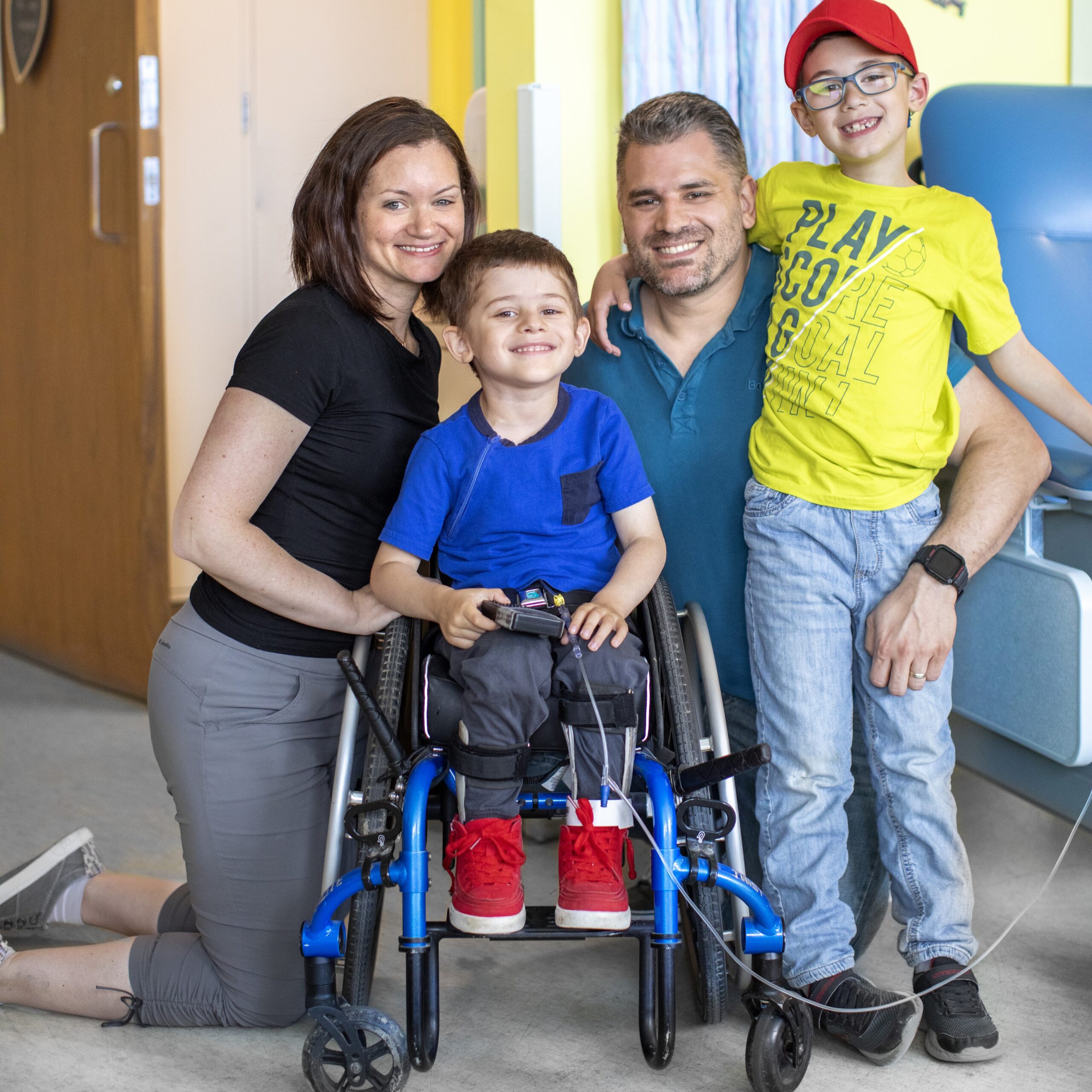
Meet the Funk family. When young Christopher was just a year old he was diagnosed with a spinal cord tumour. After an intense surgery and several months of chemotherapy, the family was relieved to move his treatment to a POGO Satellite Clinic closer to home, where he still receives weekly chemotherapy. This transition not only reduced the time his parents had to spend away from work but also allowed Christopher and his sibling, Alexander, to spend much more time together.
September is Childhood Cancer Awareness Month (CCAM). In Ontario and beyond, many are raising awareness of both the progress and ongoing challenges in childhood cancer care. Every day, POGO collaborates with hospitals, families, survivors, government, and donors to champion this cause.
Here’s how you can get involved:
GIVE
Support childhood cancer care by making a donation, becoming a monthly donor, learning more about legacy giving, or contributing in honour of someone affected by childhood cancer.
#LINKEDForLife Campaign
Vibrant paper chains will hang in the halls of POGO partner hospitals throughout Ontario, showcasing our collective commitment to support young cancer patients and their families, survivors, healthcare teams, and those who left us too soon. Donate to add your name and help grow our chain!
Get Your Company Involved
Engage your company with fun activities like office fundraisers, a pajama day, raffles, or building a #LINKEDForLife chain.
Register for an Event that Supports POGO
Stay active and support childhood cancer care by participating in the PUMA Toronto Women’s 8K/5K on Saturday, October 5, 2024 or the TCS Toronto Waterfront Marathon 5K on Saturday, October 19, 2024. Register and fundraise for POGO.
Let’s work together to make a difference!
Related Content
Gaming Through Cancer Without Cheat Codes
Author: Jason Truong
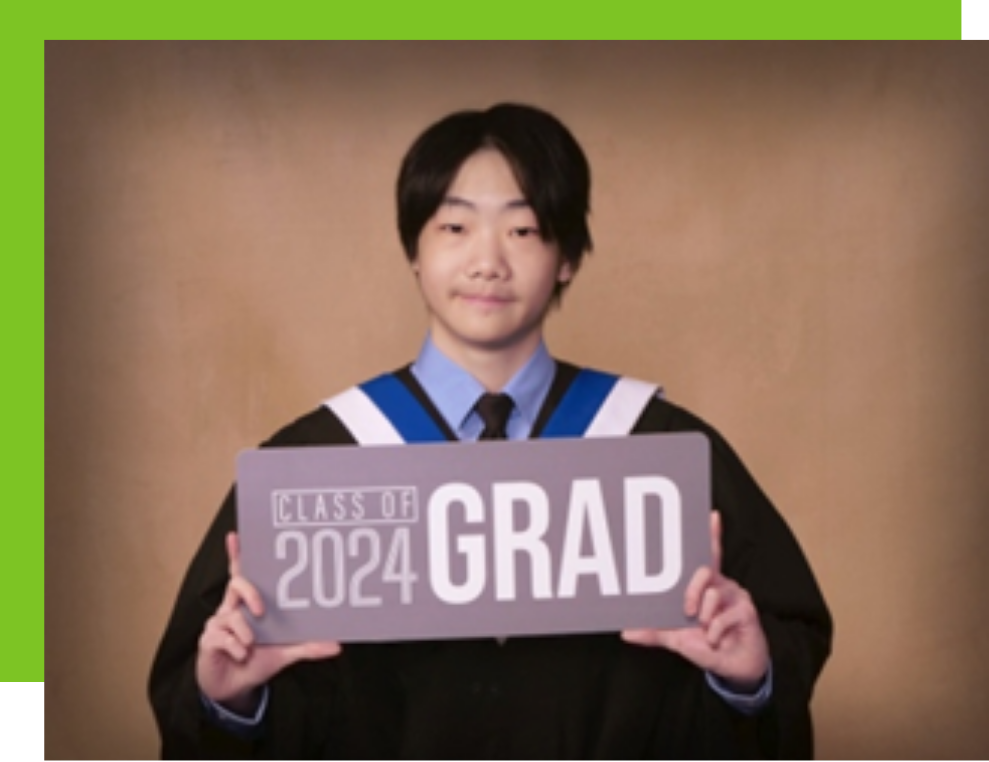
It started out as a lighthearted December night. A short break to relax before I prepared for another day of school. On my laptop was an old video game that me and my sister were playing. Then the phone rang. The call from my doctor was devastating.
"Throughout my life video games have helped me when times were rough..."
In the dead of the night, my dad and I were on our way, stepping through puddles of rain in a dark alley. I went from place to place, and after trials and tribulations, I ended up in the emergency room at the Children’s Hospital in London, Ontario, hooked up to an IV and watching old cartoons on Nickelodeon. I cannot clearly recall the series of events—it was as if I was in a daze the whole night. In the end, I was diagnosed with chronic myelogenous leukemia (CML), a relatively rare cancer in children. I was 14 years old.
The first days of my hospital stay were without rest. However, this all changed when a support program at the hospital called Youth CoRE gave me the opportunity to play Nintendo Switch games with an opponent. With this, my days seemed brighter and flew by.
After returning home from 10 days in hospital, I went back to my daily routine of online school. I fondly remember finishing my homework as soon as I could to boot up my laptop, and diving into an exciting game. The shining highlight of my first and second years of high school was the immersive experience of those games, worlds vibrant and inexhaustibly explorable far and wide, together with unique storytelling, music and art direction.
As time went on, online classes became harder to bear. One day, I just couldn’t see the point anymore. For my 11th year, I returned to in-person learning. My first day back at school was disheartening. I knew nobody. I felt like I didn’t even know myself. I lost sleep and I noticed I was rarely playing video games, if at all.
Eventually, I tried to make time to start playing again. My first title was NieR:Automata, which I had been anticipating for many years. This game’s narrative explores philosophical themes within a narrow context: the search for the meaning of existence, the reason to keep on fighting, and the subject of identity loss, all amidst a war and chaos. It resonated with me deeply. Rediscovering my passion for video games allowed me to reconnect and have fun with my friends, even as all of us got busier.
Throughout my life video games have helped me when times were rough; not only by playing them, but I have also been creating my own since the age of nine. Inspired by the dedication of game developers to their work, I have always thought, “I could be like them someday.”
After finishing a computer programming course in my final year of high school, I decided to take it on as my chosen field of study. In fall 2024, I am bound to start Computer Programming at St. Clair College to help widen my range of programming knowledge. For those who may be living through tough times, I want to inspire them to create, like many games and developers have inspired me.
Bio: Jason Truong is an 18-year-old CML survivor, still undergoing treatment. Here is a game that he created, inspired by Mario. Jason is also interested in sci-fi, anime and wildlife, including sharks and gentoo penguins.

- Castle Crashers
- Chocobo Racing
- Dragon Quest 11
- Final Fantasy XIII
- Muse Dash
- NieR:Automata
- Pokémon Black and White
- Resident Evil 4
- Scribblenauts
- Undertale
- Yakuza 0
- Yakuza Kiwami (much less explicit, equally violent as first)