Cancer-Related Fatigue and What Pediatric Oncology Nurses Need to Know
Cancer-related fatigue is a major but often under-recognized aspect of childhood cancer care. As treatments become more effective and survival rates improve, attention is shifting to the overall well-being of young patients during therapy. Fatigue stands out as a common experience that can affect every part of a child’s life, from play to school to home. Understanding fatigue is an essential step in providing truly comprehensive pediatric oncology care.
What does the evidence say about fatigue in pediatric oncology?
We know that fatigue is one of the most prevalent, severe and distressing symptoms and it can persist long-term into survivorship. Fatigue is associated with a decreased quality of life and can co-occur with other symptoms such as depression and sleep disturbance.
So, what can we do about it?
POGO’s Guidelines Program provides healthcare professionals in Ontario and worldwide with the best options for managing the adverse effects of cancer and its treatment with the goal of improving the health and quality of life of children with cancer.
Read more about the program here.
Recently, this POGO program released a fatigue clinical practice guideline (CPG) to get you moving in the right direction. The purpose of the fatigue CPG is to guide healthcare providers in the management of fatigue in children and adolescents with cancer and pediatric recipients of hematopoietic stem cell transplants (HCT).
The fatigue CPG ultimately highlights four recommendations and one good practice statement (see table below). Nurses at the bedside and in clinics are uniquely positioned to implement these evidence-based recommendations.

I’ve reviewed the fatigue CPG, now what?
Start with the good practice statement. You can ask your patients about fevers, nausea and vomiting, pain and more, so now is the time to start asking about fatigue. There are many tools to help you assess fatigue; see if your institution is using any of them. Some examples include: Peds-PRO-CTCAE, PROMIS and SSPedi: Symptom Screening in Pediatrics Tool.
Next, try recommendation 1, the use of physical activity. There is no perfect intervention for physical activity, but you can assess what brings your patient joy and start small and scale up. Maybe it is a dance party that the unit holds for 10 minutes a day or maybe your unit has organized scavenger hunts that have the patients up and moving around the unit and hospital. Encourage families to get involved and plan activities such as walks, bike rides or yoga.
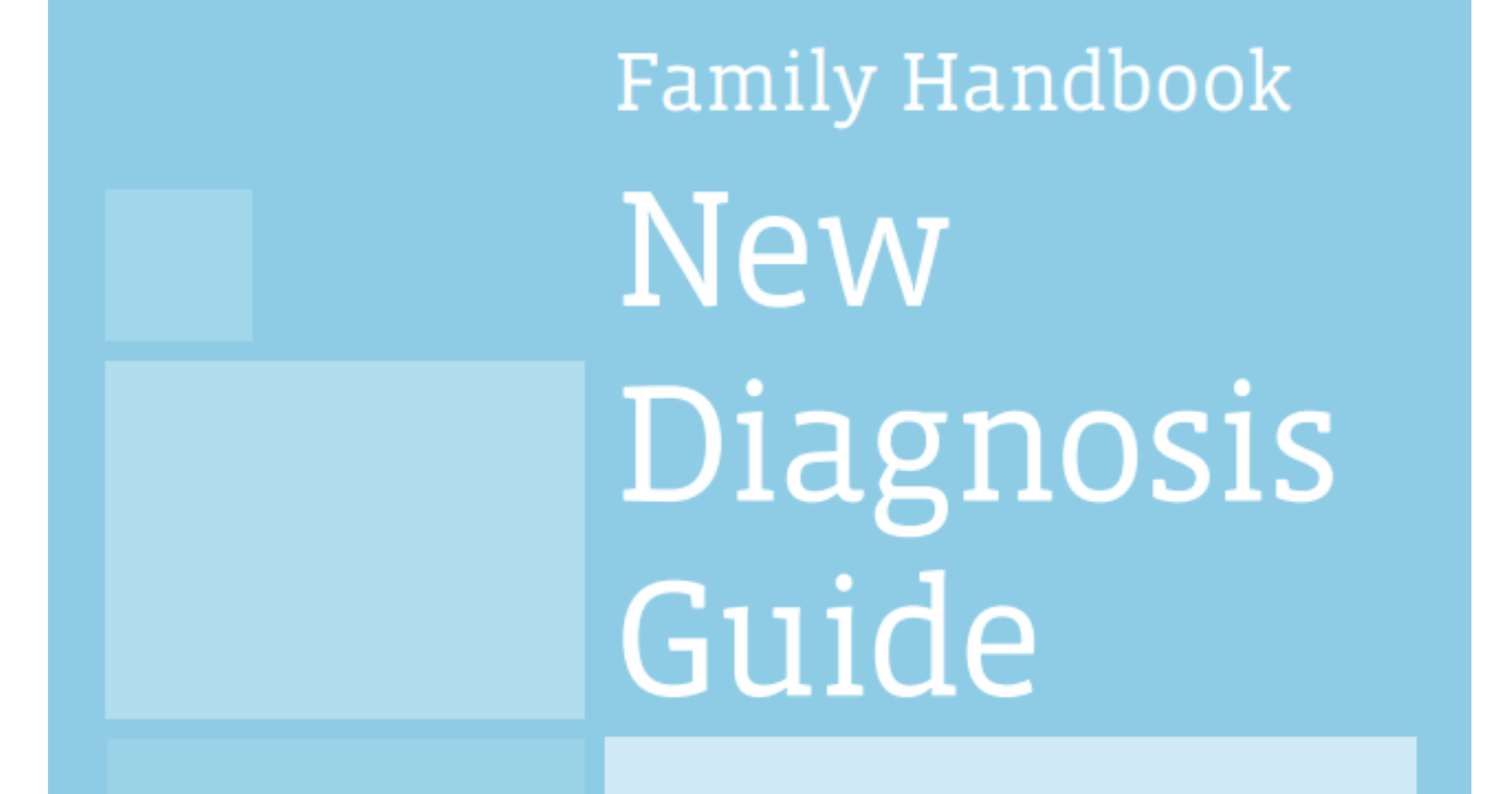
 Guided by the POGO fatigue CPG, the Children’s Oncology Group (COG) New Diagnosis Guide now incorporates information about fatigue, including describing fatigue as a symptom of cancer and cancer therapy and offering suggestions to families on how to manage fatigue. This guide can help you start the conversation.
Find the New Diagnosis Guide and other COG family resources here. https://childrensoncologygroup.org/cog-family-handbook
Review POGO’s clinical practice guidelines on fatigue, and other topics, here.
AboutKidsHealth has also developed some great resources about fatigue which you can read more about here: Cancer-related fatigue

Denise Mills, MN, RN(EC), NP Pediatrics
POGO Provincial Clinical Lead, Pediatric Oncology Nursing
References
- Hooke, M.C., & Linder, L.A. (2019). Symptoms in children receiving treatment for cancer-part 1: fatigue, sleep disturbance, and nausea/vomiting. Journal of Pediatric Oncology Nursing, 36(4), 244-261.
- Patel, P., et al. (2023). Guideline for the management of fatigue in children and adolescents with cancer or pediatric hematopoietic cell transplant recipients: 2023 update. www.thelancet.com Vol 63 September, 2023.

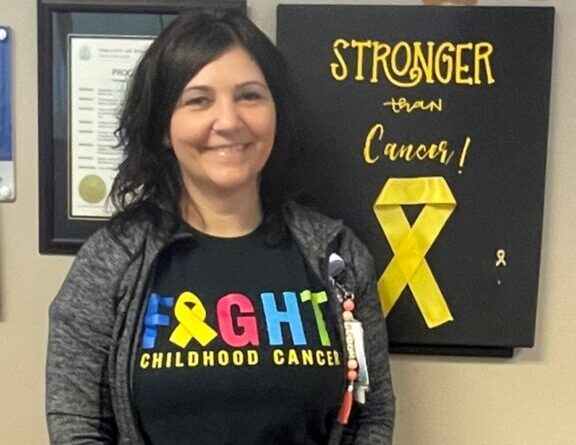
Meet Renee Smith, Compassionate and Experienced Pediatric Oncology Nurse at Windsor Regional Hospital
As a nurse at the POGO Satellite Clinic at Windsor Regional Hospital (WRH), Renee Smith plays a pivotal role in ensuring that pediatric oncology patients in the Windsor-Essex County area receive the care they need, closer to home. Her work is a testament to the power of empathy, teamwork, and dedication that makes a lasting impact on the families she serves. Here, Renee shares her experiences, insights, and the reasons why pediatric oncology nursing is so close to her heart.

Helping Children Receive Optimal Care
Renee’s role is focused on coordinating care for childhood cancer patients residing in the community. A key part of her mission is to help these children and families avoid long travel on the highway to reach a larger hospital with a specialized childhood cancer program.
“I work as the RN in the clinic, organizing appointments and working closely with our pediatrician and pharmacists to administer chemotherapy,” Renee explains. “Patients come to me for lab work, port access, blood transfusions, and supportive care as needed. If a child is feeling unwell, they can come to our POGO Satellite Clinic and be assessed on-site.”
The POGO Satellite Clinic at WRH also coordinates imaging and communicates with their partner hospital, Children’s Hospital, London Health Sciences Centre, to ensure patients receive optimal care. The highlight for Renee is the deep relationships she forms with the POGO families, helping them through one of the most difficult times in their lives.
“I love meeting the POGO families and working with them throughout their journey. It’s rewarding to be part of their lives, especially knowing that our work can help make a terrible time a little more bearable. I also love how the role allows me to continuously learn new information and grow as a nurse.”
A Journey in Nursing
Renee’s career journey is one of passion, dedication, and a deep love for pediatric care. She worked in pediatrics for 19 years before she began covering shifts in the POGO Satellite Clinic at WRH. She then spent three years in the chemotherapy suite of the Adult Cancer Centre, with a primary oncologist, managing patients with solid tumours, melanoma, and hematology.
However, Renee’s heart always remained with pediatric patients, and when the opportunity to return to the POGO Satellite Clinic became available, she jumped at the chance to be back with children and their families.
“I’ve always felt deeply connected to the pediatric population, and being part of the POGO team has been a dream come true,” says Renee.
Advice for Aspiring Nurses
For those interested in pursuing a career in pediatric oncology nursing, Renee offers some valuable advice:
“Be patient, listen actively, and develop strong communication skills. Children and families need to feel heard and supported. It’s also important to find healthy coping strategies through hobbies or exercise to maintain a balanced life and avoid burnout.”
She also emphasizes the importance of ongoing education. POGO offers several educational opportunities, including Satellite Education Day, AfterCare Education Day and virtual education.
“Pediatric oncology is constantly evolving, so staying up to date with new treatments and technologies is key. Work as part of a strong team, advocate for your patients, and always take the time to celebrate the small wins along the way.”
The Emotional Toll of Pediatric Oncology Nursing
Renee highlights one of the most pressing challenges in pediatric oncology nursing: the emotional toll. Nurses in this field witness the pain and suffering of children and their families, which can be incredibly difficult to cope with.
Above all, Renee reminds aspiring nurses not to neglect their own well-being.
“Taking care of yourself is just as important as taking care of your patients. It’s important to acknowledge the emotional strain that comes with the job. Nurses are there to support both the patients and their families, but sometimes we forget to take care of our own emotional needs. It’s crucial to recognize when burnout is a concern and to take steps to manage it.”
A Family Legacy of Nursing Begins
One recent achievement that Renee is particularly proud of is seeing her son, Owen, enter the nursing program at Western University.
“When I asked him why he chose nursing, he said it was because he remembers me always speaking so highly of the profession and its impact on helping people. He told me he wanted to follow in my footsteps and become the best nurse he could be. It was such an emotional and proud moment for me.”
Inspiring the Next Generation of Nurses
Renee’s story is one of inspiration, dedication, and unwavering commitment to the families she serves. Her work in pediatric oncology nursing touches the lives of children and families, making a profound impact during some of their most difficult times. Through her work, she exemplifies what it means to provide compassionate, high-quality care with a heart full of empathy.
We thank Renee for sharing her journey and insights. Her dedication continues to inspire not only the patients and families she cares for, but also the next generation of nurses, including her own son.

Reflections of a Bedside Nurse
Reflective practice is a cornerstone of pediatric hematology/oncology nursing—strengthening team collaboration, elevating standards of care, and supporting the emotional well-being of nurses. Its benefits are far-reaching, touching not only the nurses themselves but also the young patients and families they care for. Reflective Practice Corner is a standing section in The RePORTer—POGO’s Nursing Newsletter—featuring reflections from nurses across the province and offering insights into their experiences. It also invites readers to pause and consider the questions posed.
Clare Holton has been a registered nurse for five years and found her passion for pediatric oncology two years ago when she joined the pediatric oncology team at McMaster Children’s Hospital, Hamilton Health Sciences.


What lessons have you learned from your patients?
It is a privilege to care for children and their families as they navigate the challenges and milestones of the cancer journey. Every day offers something meaningful, especially through the invaluable lessons I have learned from my patients, which cause me to pause and reflect.
I remember caring for a five-year-old patient with neuroblastoma. His love for the small things in life and his ability to live for the moment were truly inspiring. His perspective was untainted by fear or doubt. This was truly a breath of fresh air and a resounding lesson in resilience. There was something profoundly inspiring in this patient’s unshakeable hope and pure-hearted view on life. He had a strong fighting spirit and a bright outlook that resonated with everyone around him. I remember walking into his room after he had several grueling days of chemotherapy. I heard Elton John’s “I’m Still Standing” playing and there he was playing with his race cars quietly singing along. That moment stuck with me, reminding me that even on our hardest days we can still stand on our own two feet and keep moving forward, even if it’s small steps. This has become one of the most powerful lessons I have learned working in pediatric oncology: to be hopeful, keep going, and never underestimate the strength found in resilience. Every time I hear that song, I think of this patient and his unwavering spirit, brightness, and strength in the highs and the lows. I carry this memory, especially on my own tough days, as a reminder of the incredible courage and resilience of the patients we care for.
How do you prioritize self-care?
While caring for my patients is my priority, on my days off I like to spend time in nature, reading, and at my family cabin with my family and with my dog. Working in an acute, fast-paced, and unpredictable environment is challenging at times especially during 12-hour shifts. I encounter both ups and downs, and I frequently experience emotionally difficult situations. On my days off, I really take advantage of doing the things I enjoy. I also engage in mindfulness and reflective practices to support a healthy work-life balance. This is important to me so that I can continue to provide family-centered compassionate care. I try to incorporate the same mindfulness into the workplace by embracing the ability to “take things as they come” while balancing it with the planning and the structure my job requires.
How do you stay motivated and inspired on tough days?
Caring for a child with cancer means supporting the entire family unit. One of the most difficult parts of this role is to navigate the delicate balance of offering hope with the reality of their diagnosis. I aim to be honest while maintaining compassion, giving the families space to process. It is a balance of holding hope while also preparing for the worst possible outcomes, and I try to walk that line with humility and grace.
Clare Holton, RN, has been a registered nurse for five years. She found her passion for pediatric oncology when she joined the pediatric oncology team at McMaster Children’s Hospital, Hamilton Health Sciences.
Related content: Reflective Practice IS Nursing Practice

Conversations With My Mom: A Childhood Cancer Survivor’s Guide to Awkward Health Talks
“Mom, why doesn’t that man have any hair?”
“Can I have a chair with wheel like that lady?”
Ah…the unfiltered curiosity of children. My twin brother and I were masters of asking deeply personal, highly inappropriate questions at the absolute worst times. Our poor mother was (and still is) my go-to person for pretty much everything. Like many parents, I am sure she sometimes dreaded fielding our loud and awkward inquiries in public places, but she always handled it with patience (and the occasional deep sigh).
Fast forward to our teenage years, my mother probably braced herself for awkward questions about puberty, sex or some horrifying combination of the two. But life threw a different kind of curveball: at age 11, I was diagnosed with acute myeloid leukemia (AML). Suddenly, my questions weren’t just embarrassing—they were existential.
“Why is this happening to me?”
“Am I going to die?”
While she did not always have a definitive answer, she answered truthfully and the best she could. And now, more than 20 years post-treatment, I still go to her first when I have a health question.
Which led to the semen sample incident.
One particularly awkward situation came about after my oncologist suggested a fertility test to check if my cancer treatment had affected my ability to have children. Simple enough, right? So, I went to a lab and inquired about giving a semen sample. What follows is the conversation I had on the phone with my mother while walking home (yes, on a busy public street).
Me: Hey, so I went to the lab today about that fertility test. The lady was very clear that I could not provide the sample there.
Mom: (sighs) Jamie, I really don’t need to hear this. (pause) Wait, so they don’t even give you a private room?
Me: Apparently not! Also, I have to abstain for a few days beforehand, and the sample has to be delivered within a specific time frame.
Mom: But you don’t have a car and you won’t make it on time by bus! Oh no. (pause) Can’t they just do it another way? Like, stick a big needle in there?
Me: I really hope not.
Mom: I really don’t need to hear about this… (pause) Anyway, have I told you about my mammograms?
Me: Yes. Repeatedly.
Fertility: The Question No One Wants to Ask
One of the hardest parts of surviving childhood cancer is dealing with the long-term effects—many of which don’t show up until years later. Fertility is a big one. It wasn’t on my 11-year-old mind, but fast forward a couple of decades, and suddenly, it’s a very real concern.
For some childhood cancer survivors, fertility can feel like an unanswered question lurking in the background. The only way to find out is through awkward, slightly mortifying medical tests. It’s not always an easy subject to talk about, but it’s important. Whether you’re considering having kids, exploring options like sperm or egg freezing, or just trying to understand how treatment may have affected you, asking the question is the first step. And if those conversations feel too awkward to have with a doctor, well—there’s always your mom.

Jamie is a childhood cancer survivor who takes pride in his role as Communications Assistant at POGO. His creativity and self-described “weirdness” is reflected in his writing and his presentations at POGO staff meetings. Reading and playing video games would be his well-developed hobbies if only his beloved cat, Lupin, would just give him some alone time.


Creative Corner with Ava
Hi to who ever is reading my entry! I’m a seventeen-year-old high school student. I’m three years into remission from a rare form of leukemia. I’ve always had a passion for creative pursuits, and I’ve been making art since I could hold a crayon 😂. It was my mom who taught me to colour. I remember colouring my very first character in our basement (it was a My Little Pony alicorn princess of space), with my mom helping me stay within the lines. Since then, I’ve continued to draw characters like dragons, monsters and my own original characters, and create stories for them. I’m working on becoming a Mangaka which is a Japanese- style comic artist/maker. As a side effect from the treatment I was on, I do have some issues with my hands, but I still plan to keep making characters and their stories. I love many forms of art like sculpting, water colour, sketching, mixed media and digital.
Thank you for taking the time to read this. – Ava


Finding Your Career Vibe
Author: Emma King
The Difference Between Passion and Purpose and Their Impact on Your Career

As early as age 16, individuals are often encouraged to contemplate their future careers—a decision that carries significant weight and long-term implications. However, being expected to determine your lifelong path at such an early age can be an overwhelming challenge. What happens when you feel lost and are not sure what direction will fulfill you? Whether you are exploring new career paths or redefining your goals, understanding the difference between passion and purpose can provide clarity and direction.
Here are some strategies to help navigate this uncertainty.
Understanding Passion vs. Purpose
Passion is often described as an activity or interest that ignites enthusiasm and brings personal fulfillment. It is what excites you, what you love doing, and what brings you joy in the present moment. Purpose, however, extends beyond individual satisfaction; it is the overarching impact you aspire to make in the world.
Passion fuels motivation, while purpose provides direction and meaning to one's efforts.
For example, if you are passionate about painting, you may find deeper purpose in using art to inspire, heal or connect with others. Passion serves as the emotional drive, while purpose ensures that drive contributes to something greater than oneself.

Strategies for Discovering Your Purpose
Identifying your purpose is a process that requires introspection, experimentation and self-awareness. Here are some effective methods to uncover what truly drives you.
- Self-Reflection: Ask yourself:
- What brings you joy or a sense of accomplishment, even on difficult days?
- What challenges have you overcome, and how did they shape your strengths?
- What impact do you want to have on others?
- Career and Personality Assessments: Personality and aptitude tests can offer valuable insights into your strengths, interests and work preferences. While they may not provide definitive answers, they serve as a foundation for exploring potential career paths aligned with your innate abilities.
- Exploring Volunteer Opportunities: Engaging in volunteer work provides firsthand experience in various fields while allowing you to assess what resonates with you on a deeper level. The key is not just what you volunteer for, but how it makes you feel. If you love baking, consider using that skill for a cause—such as preparing meals for shelters or organizing bake sales to support charitable organizations. Ask yourself: Do you enjoy the creative process? The precision? The joy of sharing your work with others? These small revelations can be instrumental in understanding what truly fulfills you.
- Networking and Mentorship: Speaking with professionals in different industries and seeking guidance from mentors can expose you to career trajectories you may not have previously considered. Learning from others' experiences can offer clarity on potential paths aligned with both your passion and purpose.

Navigating Uncertainty: What If You Don’t Know What You Love?
The commonly stated advice, "Do what you love, and you’ll never work a day in your life," is well-intentioned but often misleading. Many people struggle to pinpoint a singular passion, and that is perfectly normal. Passion is not always innate; rather, it is frequently discovered through exploration, trial and error, and evolving experiences.
If you feel uncertain, allow yourself the freedom to experiment. Engage in various activities, expose yourself to different things and reflect on what consistently brings you fulfillment. Instead of focusing on an immediate answer, embrace the journey of discovery, trusting that clarity will emerge over time.
Conclusion
Both passion and purpose play important roles in growing a fulfilling career. Passion ignites enthusiasm, while purpose offers a sense of contribution and direction. Those who integrate both elements into their professional lives often experience greater long-term satisfaction. If you are unsure of your path, take proactive steps to explore different avenues, seek meaningful experiences and reflect on what genuinely matters to you. Your personal journey has already equipped you with resilience, strength and a unique perspective—qualities that will guide you toward a purposeful and fulfilling career.
Speak with a POGO School and Work Transitions Counsellor if you have questions about what we can offer to support you on your passion and purpose journey.

Our Newest POGO Counsellors!
WHY DID YOU WANT TO BE A POGO TRANSITIONS COUNSELLOR?
| Rachel: I’m a social worker who previously worked in child protection. I like working with young adults who are in the stage of making their own decisions. | Emma: At a young age, I realized that I wanted to be in a helping role. My dad worked in a dialysis unit and I loved hanging out with the nurses! | Samantha: I have always loved what McMaster Children’s and POGO have done for children. Their work is incredible and I am so grateful to be part of it. |
WHAT IS YOUR FAVOURITE PART ABOUT YOUR ROLE?
| Rachel: Meeting people in oncology who are very caring. I love to problem-solve! | Emma: One-to-one conversations and hearing client stories inspire me! | Samantha: I genuinely love connecting with my clients and making a meaningful impact on their lives. Helping them navigate their journey and reach their goals is incredibly rewarding, and I celebrate every win along the way! |
WHAT IS THE HARDEST ONCOLOGY WORD/TERMINOLOGY YOU HAVE HAD TO LEARN?
| Rachel: All of them are the hardest two weeks in! | Emma: I’ve already Googled the majority of them. Hepatoblastoma sticks out as the hardest to pronounce. | Samantha: I know lots about oncology terms from past experience and, honestly, it is not easy to learn or understand. I am going to say the hardest thing for me to comprehend is all the codes when they are referring to genetic markers! |
WHAT HAS BEEN THE BIGGEST SURPRISE WORKING WITH SURVIVORS?
| Rachel: How big of an impact childhood cancer has and how resilient the survivors are. | Emma: Working at POGO has made me aware of all the resources and the community within survivorship. A great surprise! | Samantha: People often assume that working with survivors or those in active treatment is always heavy or somber, but that couldn’t be further from the truth. They are some of the most inspiring, resilient and determined individuals I’ve ever met. Their positivity and “go-getter” energy are truly refreshing, and I feel privileged to witness their strength every day. |
DOGS OR CATS?
| Rachel: Dogs growing up; cats now. As an introvert, I appreciate how they like their time alone versus Velcro dogs! | Emma: Both! | Samantha: Dogs all the way! I have a Frenchie named Gus and he is my soul dog ❤️ I am not a cat hater - but there’s just something about the connection with a dog that is personal to me. Plus, I can’t deal with cats being nocturnal and bouncing around when I’m sleeping! Ha-ha |
WINTER OR SUMMER?
| Rachel: Winter! Hate the heat, humidity and bugs in Sudbury. I also like outdoor Winter activities. | Emma: I’m more of a Spring and Fall person | Samantha: I am a Summer girl. I need a warm breeze, a late sunset and people driving with the windows down, playing some good 80s rock. |
WHAT IS YOUR FAVOURITE PUMP-UP SONG RIGHT NOW?
| Rachel: "Sk8er Boi" by Avril Lavigne | Emma: “Birds of a Feather” by Billie Eilish | Samantha: That’s tough… I love a wide range of music, but I can’t help myself when “Timber” by Kesha & Pitbull comes on… it’s goin’ down! |
Stay Tuned for a New Evolution of the S2S Network
Author: Barb Williams
The S2S Network has been an incredible collaboration between survivors, community members and the School and Work Transitions team at POGO. Over the years, we have seen some incredible growth in confidence and skills among the survivors who take part as facilitators and mentors, as well as strong connections within the community at large. We know many of you have found value in attending, whether you attended one session, or you kept coming back for more.
We’re using this opportunity to reflect, refine and reevaluate our programming. Our aim is to centre survivors as experts in the childhood cancer journey, while fostering a stronger, more informed community and general awareness about childhood cancer.
Stay tuned for updates in your inbox and on the POGO website. Whether you’ve been part of S2S before or you’re curious about what’s next, we’re excited to welcome you to the next chapter.

Internships: The ‘Intern’al Route to Success!
“The people were truly what made my experience so amazing, and having been able to work in such a supportive environment has set a precedent for the rest of my career.”
An internship can provide a powerful experience. At its best, it gives students real-world work experience, builds their confidence, helps them explore different careers and enhances their resume and contacts.
When an internship recognizes that childhood cancer survivors can have unique challenges in school and work settings, it can be even more impactful.
That’s why, when Emblem Developments/First Avenue Investment Council wanted to offer more than their ongoing financial support of POGO, they consulted with the School and Work Transitions Program to develop a paid summer internship program for childhood cancer survivors, which launched in 2024.
Author: Helen Antoniades interviewing Maryam Khraishi

Because it is specifically for childhood cancer survivors, Maryam, last year’s intern, says, “It alleviated a pressure that everyone understood what I had been through; there was already an understanding that I needed time for physiotherapy every week and that I had certain mobility difficulties. The program was designed to fill the gaps in my experiential learning caused by missed work while I was undergoing treatment during my university education.”
Maryam had the opportunity to meet professionals in a variety of roles and learn about how an office environment works. She got instructions and feedback that can be applied to her current schooling and future career. And having conversations with staff about career, education and life provided valuable guidance on her future path. Additionally, Maryam says, “The internship being paid allowed me to focus completely on the work and alleviated the financial worries/pressure I had from tuition, rent and living expenses.”
The experience shows what the School and Work Transitions Program already knows: childhood cancer survivors have deep potential and can thrive in a work environment, when given the supports they need. Maryam says, “The people were truly what made my experience so amazing, and having been able to work in such a supportive environment has set a precedent for the rest of my career.”

Shaping My Career Path: My Internship Experience at First Avenue and EMBLEM
When I reflect on summer 2024, I’m overwhelmed with gratitude for the opportunity to have interned with POGO corporate partners First Avenue and EMBLEM. As a childhood cancer survivor and POGO Ambassador, my journey has been anything but predictable, and every step—every hurdle—has led me to where I am today.
When Your Brain Tumour Can’t Be Cured: Watch Maryam’s Story
From day one, my experience was defined by the incredible people I worked alongside. Each interaction provided me with advice, support and insight that have been both emotionally fulfilling and invaluable for my career.
This internship gave me a chance to expand my professional skills in unexpected ways. My projects ranged from marketing to office operations to event organization. I learned how to refine contact lists, update business continuity plans and contribute to the introduction of AI tools in the workplace, like Copilot. I created budgets and plans for summer social activities, and I was particularly pleased to support the inaugural annual fundraiser, Pickleball for POGO—an organization that has been invaluable to me in my cancer journey.
Perhaps the most rewarding aspect of this internship was the chance to explore new areas and grow as a professional. I improved my communication skills, learned to navigate new technologies and gained a better understanding of work-life balance. As someone managing personal health commitments alongside a full-time role, this balance was a challenge—but one I learned to navigate with the support of my teams at First Avenue and EMBLEM.
Finally, I want to thank POGO, First Avenue and EMBLEM, and everyone who made this internship possible. The experience was transformative, and I left with deeper confidence in my ability to thrive in professional settings.
To future interns: take every opportunity to grow, connect and learn. You never know where it might lead!
Maryam Khraishi is a POGO Ambassador and proud first intern of the First Avenue and EMBLEM Internship Program. Stay tuned for the announcement of the 2025 intern.
In 2024, First Avenue Investment Counsel and EMBLEM Developments pledged $100,000 to POGO. Their commitment to childhood cancer care extended beyond their financial commitment to include an annual fundraising event, Pickleball for POGO, and an annual summer internship for a youth who has survived cancer and benefitted from POGO support. The First Avenue and EMBLEM Internship Program provides invaluable work experience and aims to help bridge the educational gap caused by childhood cancer. Interns receive one-on-one mentorship, gain office experience and business skills, get to work on a value-added project in an area of interest, and receive the opportunity to present their project to leaders at the end of their internship.