Post-Treatment Path
Author: Emily Burtwistle
Diagnosis: Ganglioglioma (at age 7)
My name is Emily Burtwistle, and I am a recent graduate of the Child Studies program at the University of Guelph, and I will be starting at Western University to pursue my Bachelor of Education. While I am not a poet, I felt passionate about sharing this poem I wrote to shed light on some post-treatment struggles that may resonate with others.

I was diagnosed with my tumour at the age of seven, and I’ve been in “remission” since 2012. I cannot stress enough how grateful I am to be in remission, and how sad I am that some friends are no longer here to celebrate that milestone themselves. That said, “survivorship” has brought many unforeseen challenges that I have had to adapt to—from insecurity and anxiety to depression over not feeling like a “normal” teen. Each MRI and follow-up appointment, and each academic or accessibility issue (for example, I have a special waiver from the Ministry of Transportation that allows me to drive with reduced vision), reminds me that I am still on this journey.
The world expects I now should fly—
But most days, I’m just getting by.
The reason that I decided to share this vulnerable poem is to spread awareness that the journeys of childhood cancer patients are not over when treatment ends. Each with our own battles, we continue on our post-treatment paths, working through various challenges. Finally, I would like to dedicate this poem to my parents, who stood painstakingly beside me through every step of this journey, and try to understand how I am feeling as I navigate life after cancer treatment.
Post-Treatment Path
They supported me through and cheered me loud,
Called me a fighter, brave and proud.
The war was won, or so they say,
But battles still wake me every day.
I walk through new doors with shadowed feet,
Despite happier times, the echoes meet.
Yes, joy now blooms in daily things—
A nature hike, the way hope sings.
Yet underneath each golden hue,
Are silent fears I can't undo.
A body “healed” is not a whole,
When scars still tremble in the soul.
I chase each new horizon with eager wings,
Bound by unseen, aching strings.
The world expects I now should fly—
But most days, I’m just getting by.
This shell that looks like "doing well"
Still houses storms I cannot tell.
My limbs may move, my smile may stay,
But pain and panic cloud the way.
A “simple” task can feel like war,
A crowded road, a locking door.
Anxiety—a ghost I knew—
Now paints the present in its hue.
It whispers, “Don’t. You might break again.”
And leaves me frozen, trapped within.
And when the fear is much too loud,
It pulls me under towards the ground.
From trembling nerves to aching chest,
Depression drapes me into rest.
The ones I love—they often miss
The cracks behind the hopeful kiss.
They see my light, not how it fades
Behind a smile that masquerades.
My family dreams I’ll soar so high—
But never ask just how hard I try.
They mean it well, but don’t quite see
The weight of their hopes crushing me.
Anxiety from work, relationships, or school,
Somehow, I always seem to fool—
All those around me who could help,
This grieving soul to find herself.
Each “You can do it” stings my skin
When they don’t know the state I’m in.
I want to live, to leap, to dare—
But I still limp despite my prayers.
Yet in this ache, a truth remains:
That growth still blooms in hidden pains.
The joy I feel is real and bright,
But coexists with quiet fright.
So hear me not as weak or small,
I’ve risen, yes—but still I crawl.
The post-treatment path is feeling long,
A melody of grief and song.
But every step, no matter how slow,
Is proof I strive, is proof I grow.

From Survivor to Researcher: Exploring Life After Childhood Cancer
Interviewer: Rachel Martin, POGO Counsellor
Interviewee: Josh McGonegal, PhD candidate, childhood cancer survivor
Written from the perspective of interviewer Rachel Martin
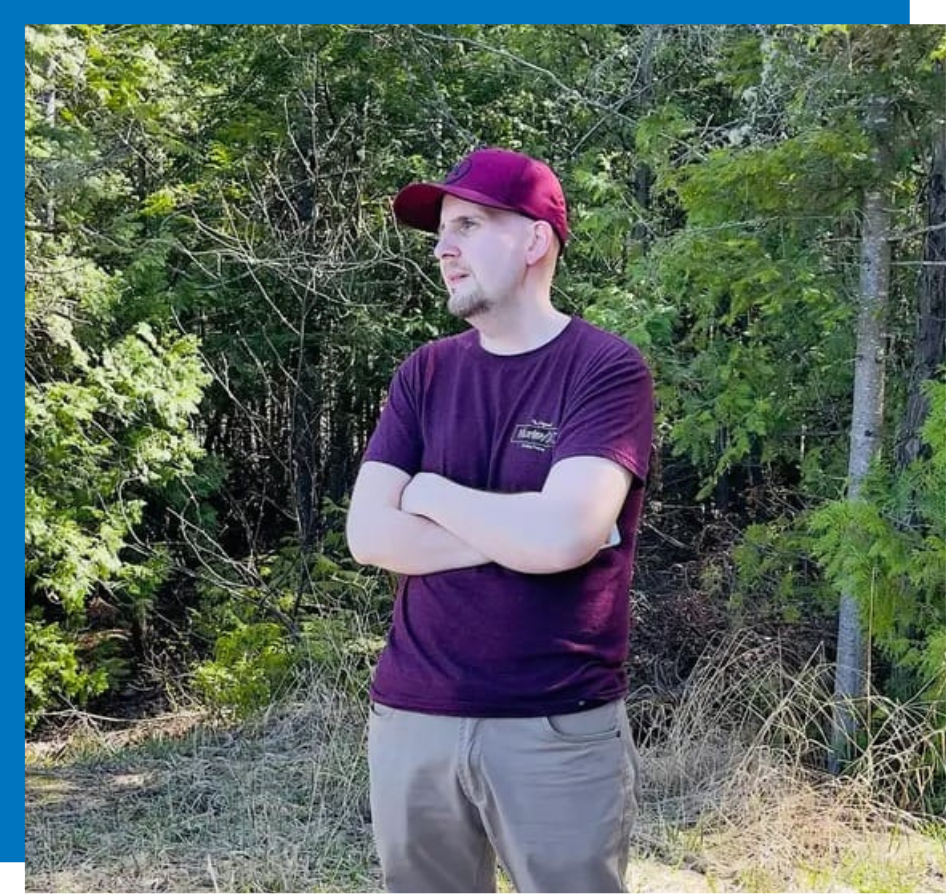
When I think of research, I think of numbers and long-winded articles written in a language that is difficult to understand. For Josh McGonegal, research has become something much more: a way to find meaning, connection with others, and hope for the future.
Josh’s life changed when he was diagnosed with cancer as a teenager, and it changed again when his family moved to the northern town of Elliot Lake. The move took him six hours away from his friends, community, and medical care. Josh shared that it was difficult to make friends while also navigating the effects of his treatment as an older teenager. Although he was no longer on active treatment, he described the additional stress of having to travel back south to attend his follow-up appointments.
Attending university gave him a way to get back to his home community, but it came with new challenges, including navigating which supports and accommodations he needed to be academically successful. Josh expressed gratitude for his School and Work Transitions Counsellor, who validated his experiences and helped guide him through the system. While in school, he volunteered with the Brain Tumour Foundation of Canada and joined a local support group. Eventually, he started leading some of these groups. It was here that a professional suggested he look into the field of social work.
Although research was not what he originally envisioned for his life, he found himself enjoying the mandatory research class in his third year of his undergraduate degree. He got connected with the Canadian Association of Psychosocial Oncology. Around that time, he also began to struggle with the demands of his school placement. Unfortunately, the workload couldn't be reduced to accommodate his needs. But hope returned when a professor invited him to join a research project to complete his placement credit. Josh has been involved in research ever since, and he shared that it allowed him the flexibility to work at his own pace.
"Together is the only way to make it better."
Fast forward several years: Josh is now back in Northern Ontario, pursuing his PhD at Laurentian University. Two years in, he’s currently recruiting participants for his study, which explores the follow-up care experiences and evolving sense of identity among adult survivors of childhood cancer living in the north. Through this work, he hopes to highlight not just the challenges of accessing medical care, cancer-specific programs, and peer support—but also the limited awareness many survivors have of these services.
A key goal of Josh’s research is to help healthcare providers better understand the realities of survivorship in Northern Ontario, where geography, travel distances, and infrastructure can have a major impact on care and quality of life. Ultimately, he hopes his findings will improve support for the next generation of survivors.
Because this is a qualitative study, Josh is collecting stories—not numbers. He emphasized that he isn’t just tracking how many follow-up appointments someone attends. What makes his research special is the way it focuses on the full person. Josh wants to understand people’s day-to-day experience of wellness—mental, social, and emotional—as it relates to survivorship in the north.
Josh noted that young adulthood is often viewed as a time of health and freedom. But his cancer diagnosis complicated this stage of life. He spent his early adulthood attending medical appointments and learning to accept the changes to his brain and body that treatment had brought. Like many survivors, Josh said he struggled with self-esteem and identity. Connecting with other survivors—people who “get it”—helped him feel less alone and more anchored in community. He cited the first POGO conference he attended, as well as the S2S group, as especially meaningful. He also spoke to the unique experience of being diagnosed as a child versus as an adult.
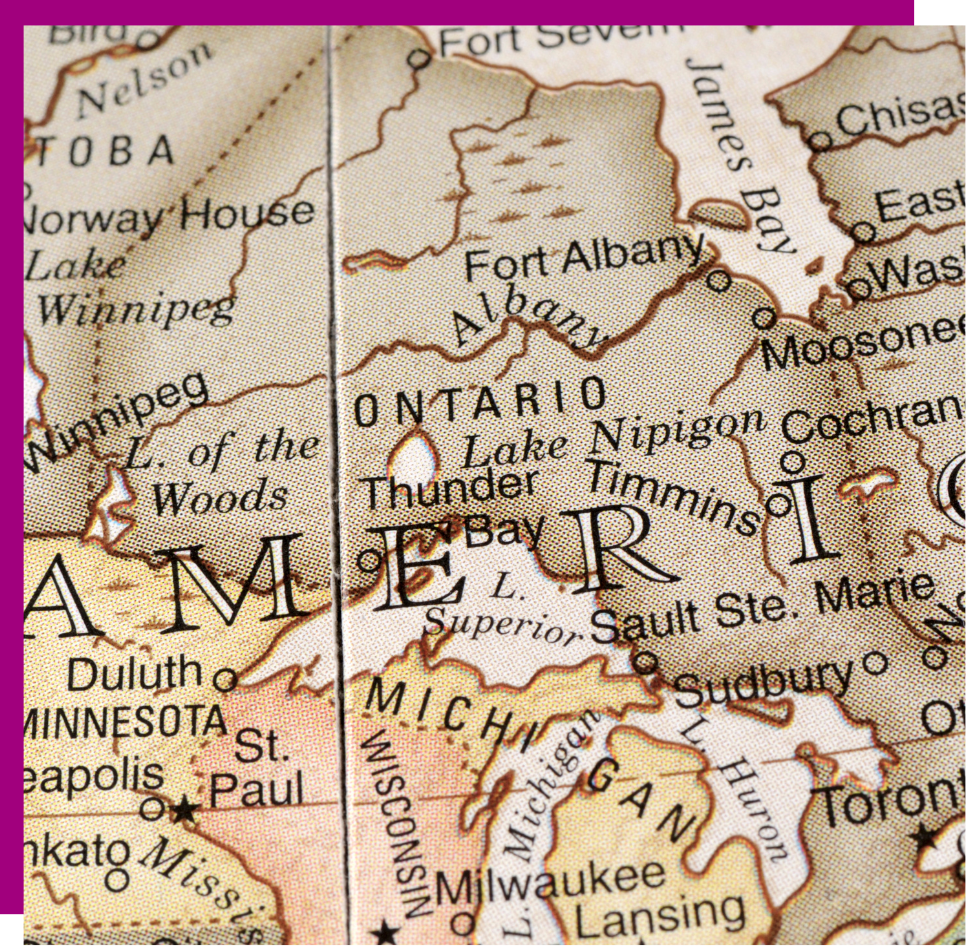
Now, Josh hopes his research can help extend that sense of connection to other survivors living in the north. Whether it’s connection to people or to services, he wants to understand how survivors are taking care of their whole selves in adulthood—and where the gaps might be. Josh wants people to know that every story matters. Even if your experience feels small, it’s still a piece of the larger puzzle he’s trying to complete. And if you’ve ever done a puzzle, you know how important every last piece is.
By participating in Josh’s research, you can help complete the picture of what life is like for adult survivors of childhood cancer in Northern Ontario—including their experiences with aftercare—and contribute to improving long-term supports for future survivors.
If you’re interested in participating and live in Northern Ontario, Josh encourages you to email him directly at jmcgonegal1@laurentian.ca. The study involves signing a consent form and completing a virtual interview, which takes about an hour. Josh is happy to make accommodations to help ensure the interview is accessible and successful. As a thank-you, participants will receive an Amazon gift card. And as with any study, you’re free to withdraw at any time.
Being an adult survivor of childhood cancer is a unique experience, and living in northern Ontario adds another layer to this. If you are eligible, please consider sharing your story with Josh so he can put together a picture of what aftercare looks like in this area.
As Josh states “Together is the only way to make it better.”

Counsellor, POGO Transitions Program

Inked Warrior – My Healing Story
Author: Glenda Gilbert
My name is Glennda Gilbert, and I am a three-time cancer warrior! My cancer journey began when I was diagnosed with osteogenic sarcoma at 13. I now live with metal from my hip to my knee in my right leg.
Much later, doctors discovered I have a rare genetic mutation called MUTYH, which increases my risk of certain cancers. In my 30s, I was diagnosed with schwannoma, and later, clear cell carcinoma.
Nothing has healed my broken spirit the way my ink has
 After recovering from those cancers and treatment, moving forward required not just medical monitoring, but internal healing, too. I’ve done both yearly tests and counselling for PTSD. Defying all odds has left scars which I’ve learned to live with. One way I have found helpful for my healing is my tattoos.


I didn’t start getting tattoos until my mid- to late-thirties. I was never someone who wore dresses or makeup, and never really felt like I belonged. My tattoos have given me a path to closure, healing, and helped me figure out who I am. They have helped me add colour to a dark world. They are a way of talking without talking, they are my amour and my storybook on my skin.
My tattoos show my story of lost loved ones, pride in progress and beauty in the darkness I never thought would pass. These are my favourites:
- Zombie on my back (not pictured) represents my experience with both hospital food and chemo.
- Crests on my chest for each of my parents, who did their best to help me through my first battle. (My other two cancer battles I kept to myself as my family had faced enough.)
- Alice in Wonderland on my leg. This was my favourite childhood story. Sometimes we need to escape reality, even if for a short time.
- Firecracker on my arm. This speaks for itself!
- The lantern on my neck shows the light in the darkness of the storm. I’ve been walking in a storm my whole life, but in any storm, light can break through.


Nothing has healed my broken spirit the way my ink has. It has made me feel brave, beautiful and powerful. This is my story, worn for all to see. It’s a pleasure to meet all of you.
STAY WARRIOR STRONG!
*Glennda has worked with London, Ontario, tattoo artist Dave Schultz since the beginning of her journey. She has also come in top 10 and top 2 in her category for Inked Magazine’s contest for the past two years.
Friendships Through it All
Author: Patrick Evans
I was just 15, living a pretty average teenage life. I played sports. I was lucky to have a great group of friends who made everything better, and that became even more apparent with what was about to happen next.
When we got that call from the hospital, my stomach dropped. Even before the doctor got to the point, I was already panicking, wondering what my next few months would look like. I was told I had been diagnosed with Stage 2 Hodgkin lymphoma, a rare type of blood cancer that primarily affects the lymphatic system.
I knew I wasn’t doing this alone...
Hearing the word “cancer” out loud felt unreal. I didn’t know if I was going to be okay, how serious it was, or how my life would change. On top of this, it was May, a month before school ended and my friends and I had plans for parties, camping, bike rides, and staying out late. It was supposed to be the best summer ever. Instead, it felt like it was about to be the worst.
After that, things moved very quickly. I was going to the hospital almost every day. The first month was brutal. I was tired and didn’t even feel like myself anymore. Thankfully, there was one thing that kept me going.
My birthday was coming up. My hair had already started falling out, and it was stressing me out more than I thought it would. I decided to take control and buzz it off, but what happened next changed everything.
A few of my friends showed up to surprise me for my birthday. That alone made my day. But then they all took off their hats—and every one of them had shaved their heads too. I was speechless. It brought me to tears because for the first time in a while, I felt genuinely happy.

From that day on, something changed in me. My spirit and sense of hope were higher than ever. I still had tough days, but I had this new kind of energy in me. I knew I wasn’t doing this alone, and that made all the difference.
During treatment, my friends helped bring back some much-needed normality to my life. There were even nights when I forgot I was sick. Those moments were everything to me. When I think back on that summer, yeah, I remember the chemo, the needles, and the exhaustion, but more than that, I remember those nights with my friends. That’s what I believe helped me get through it all.
Looking back now, I don’t just see cancer. I see my friends stepping up in a way I’ll never forget. I see a version of myself who kept showing up every day, even when it was hard. I see how love and loyalty can help you through the darkest times. What I went through changed me. But it also showed me just how powerful friendship can be.
And honestly, I think that’s what saved me.
On the Tip of the Toes Adventure: A Journey of Healing and Connection
Author: Holley Stuart
Diagnosis: Lymphocyte-predominant Hodgkin lymphoma
Age of diagnosis: 16

In May 2025, I embarked on a unique adventure hosted by the On the Tip of the Toes (Sur la Pointe des Pieds) Foundation, which has been offering therapeutic adventures to young people living with cancer since 1996. Each year, they organize several expeditions designed to support healing the mind, heart, and soul.
I had the privilege of participating in the 79th expedition, a four-day, off-grid canoe trip on the Poisson Blanc (White Fish) Reservoir in Quebec. Our group hailed from various parts of Canada: six from Quebec, one from Alberta, one from British Columbia, and me from Ontario. This bilingual (English/French) voyageur canoe trip included nine participants and nine expedition team members who made the experience unforgettable.
This adventure was truly transformative
The expedition team members took care of every detail, including delicious meals, proper campsites, transportation for our belongings, and the necessary medical support. They also blogged our adventures and supported our mental health by encouraging us to share and listen to each other, as well as giving us time to journal.
Before the trip, my emotions were on a rollercoaster—excited, nervous, and unsure of what to expect. The experience was also phone-free, which in this day and age is hard when our phones are always with us. But without our devices to distract us, we were able to truly connect with each other and the world around us. My adventure began on a Wednesday, when I took my first airplane trip without my family to meet my team, people whom, up until that point, I had only met online. Thursday morning, we headed to base camp to prep our belongings with the items provided by the organization. Over the next few days, we shared our cancer journeys, learned about each other's interests, joked, sang (a lot), and played games.

The Poisson Blanc Reservoir is breathtaking with calm, dark waters and hilly mountains covered in various shades of green. The reservoir is dotted with numerous small islands, some of which are campsites, while others remain untouched. The view seemed to stretch for kilometers.
During the day, we canoed the reservoir to our lunch location and then to our evening campsite. Some highlights: singing songs in the boat, tossing the ball around at lunch, waking up others to the song “Hotel California," and engaging in many conversations. At night, we enjoyed campfires, playing the Loup-Garou game and reflecting on our day.
This adventure was truly transformative. I highly recommend it to others seeking a unique and healing experience.

Childhood Cancer Awareness Month
September is Childhood Cancer Awareness Month (CCAM) and every year, POGO raises awareness of both the progress made and opportunities ahead in caring for children and youth with cancer, survivors and their families. But, as we all know, ”awareness” does not start and stop in September. Childhood cancer is unique to adult cancer—often no clear cause, and different in type and the intensity of treatment on growing and developing bodies. This is why POGO was founded. Guided by Ontario’s Childhood Cancer Care Plan, POGO works with our hospital partners to sustain a world-class system of care, that supports families—from the point of their child’s diagnosis when they meet their POGO Interlink Nurse, through treatment with care closer to home at one of nine POGO Satellite Clinics, and well into survivorship with health monitoring at a POGO AfterCare Clinic and counselling through the POGO School and Work Transitions Program.
Young people and their families in Ontario need our support: close to 500 children are diagnosed with cancer each year; over 4,500 families have a child in cancer treatment or follow-up care; and 2 of every 3 survivors are at an increased risk of long-term effects of their cancer or treatment. We are grateful for the support we receive to further our mission to ensure the best care for all those impacted by a childhood cancer diagnosis.
Show Your Support During Childhood Cancer Awareness Month
- Share our social media posts, especially our new “Beyond Myths” campaign, addressing some of the most common “myth-perceptions” about childhood cancer.
- Like us on Facebook and follow us on Bluesky, LinkedIn, and Instagram. Tag us whenever you’re participating in an event in support of our work.
- Make a difference through our LINKED for Life campaign. Every $5 donation adds a virtual paper chain link symbolizing our united commitment.
- Share what you’re doing for Childhood Cancer Awareness Month using the hashtags #CCAM, #ChildhoodCancerAwarenessMonth.

Facing Stage 4 Cancer at Just Two Months Old
By Ruveena Mariathas
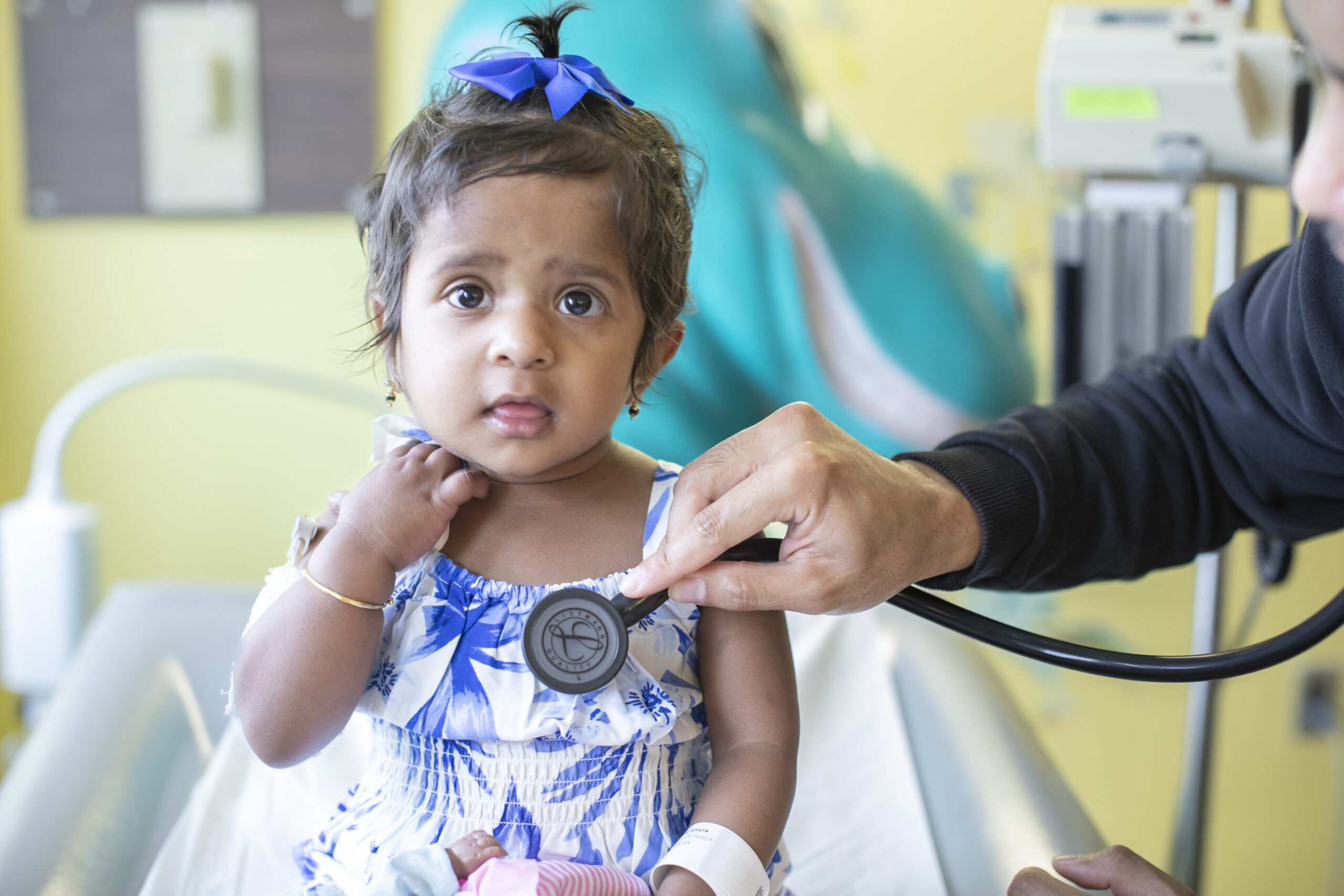
When Mallika was born, we thought she was just a fussy baby. She cried every night, and we took turns holding her upright while sleeping on the couch. Several visits to walk-in clinics indicated she had colic. But when she stopped having wet diapers and bowel movements, we knew it was something
more serious.
At just two months old Mallika was diagnosed with stage 4 rhabdomyosarcoma. Her treatment began almost immediately—aggressive chemotherapy that had us constantly travelling to downtown Toronto, me with no income and bills piling up.
Our POGO Interlink Nurse connected us to POGO’s Financial Assistance Program and handled the paperwork during a time when everything felt overwhelming. On her regular visits to our home, she always took time to check in o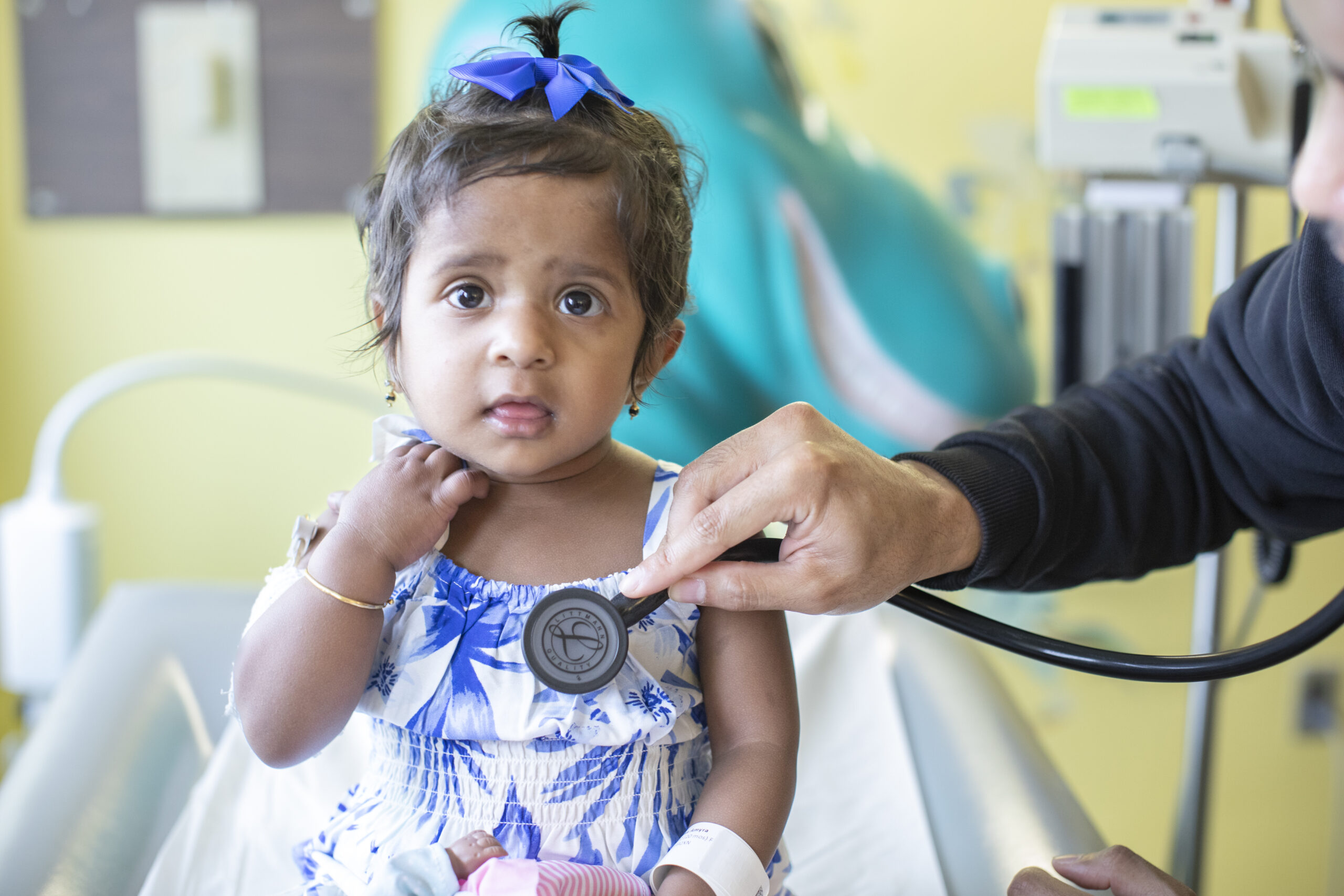 n our older daughter, Ashwana, to make sure she was coping with her sister being sick and her parents being away so often at the hospital.
Eventually, we were able to move part of Mallika’s care to the POGO Satellite Clinic at Scarborough Health Network. Being close to home meant we could sleep in our own beds, spend more time with Ashwana, and bring Mallika in for her daily chemotherapy without the added pressure of a long commute. The Satellite Clinic is a warm and welcoming environment, and the nurses became like family—they knew her well, noticed small changes and helped us through some scary moments, including a serious episode of dehydration.
Mallika has had surgery to remove her bladder and now needs daily catheterization, which means we have to use a tube to keep her wounds from closing. When she turns five, doctors plan to create a neobladder—a surgically constructed bladder to help restore some normal function. Despite all she’s faced, she’s full of energy and steadily catching up on her milestones.
Mallika rang the bell at the clinic to mark the end of treatment. Our POGO nurse cried. We cried. After everything we’d been through, it felt like we could finally breathe.

Childhood Cancer Care Expanded to Northwestern Ontario
POGO Satellite and Interlink Programs Bring Childhood Cancer Care Closer to Home
at Thunder Bay Regional Health Sciences Centre
Thunder Bay, ON, June 4, 2025 – Today, childhood cancer care closer to home became a reality for families living in Northwestern Ontario with the launch of two new Pediatric Oncology Group of Ontario (POGO) programs at Thunder Bay Regional Health Sciences Centre (TBRHSC). Expansion of the POGO Satellite and Interlink Nursing programs at TBRHSC was made possible thanks to funding from Ontario’s Ministry of Health.
For childhood cancer patients and their families in the Northwest, much of their care is provided at Children’s Hospital at London Health Sciences Centre. The establishment of the POGO programs at TBRHSC means fewer trips to London and more time at home with their support network of family and friends and less disruption to school and work.
“It was important for us to be at Thunder Bay Regional for the launch of these POGO programs,” said Drago and Shanley Pavletic of Thunder Bay, whose son was treated at Children’s Hospital at London Health Sciences Centre. “We know firsthand what it means to be away from home while our child was in treatment. Now, parents won’t always have to leave their jobs or split their families apart. You can’t put a price on that kind of peace of mind.”
POGO now coordinates childhood cancer care at nine Satellite Clinics in community hospitals across the province. The multidisciplinary healthcare team in the POGO Clinic at TBRHSC includes doctors, nurses, child life specialists, and social workers, and provides a range of high-quality pediatric cancer services.
The POGO Interlink Nurse will be assigned to families at diagnosis, connecting them to services they need, whether in the hospital or community. The POGO Interlink Nurse may also visit the child’s school to share information about the child’s cancer journey with teachers and the child’s or their sibling’s classmates.
“POGO programs provide wrap-around care and support to children and families from diagnosis to treatment to survivorship, and, when needed, end-of-life care,” said Lauren Ettin, POGO CEO. “Expansion of the POGO Satellite Clinic and Interlink programs to Thunder Bay Regional Health Sciences Centre signals meaningful change for local families and fulfills an important objective of Ontario’s five-year Childhood Cancer Care Plan, to bring care closer to home. We are honoured to partner with the incredible teams at Thunder Bay Regional Health Sciences Centre and Children’s Hospital at London Health Sciences Centre to meet the needs of children with cancer and their families in Northwestern Ontario.”
“We are proud to join the Pediatric Oncology Group of Ontario (POGO) as an official Satellite Clinic,” said Dr. Rhonda Crocker Ellacott, President and CEO of Thunder Bay Regional Health Sciences Centre (TBRHSC) and CEO of the Thunder Bay Regional Health Research Institute (TBRHRI). “This designation marks a significant step forward in enhancing the quality of care for children and families facing cancer in Northwestern Ontario. Through this partnership with POGO and the Children’s Hospital at London Health Sciences Centre, we will be able to offer more comprehensive and coordinated care closer to home. Our interdisciplinary teams, including a dedicated Interlink Nurse, will guide families through every stage of the pediatric cancer journey—reducing travel burdens, supporting continuity of care, and helping to improve health outcomes. Most importantly, children can now receive specialized treatment right here in Thunder Bay, enabling families to remain together during a challenging time.”
“The launch of the POGO Satellite and Interlink programs at Thunder Bay Regional Health Sciences Centre is a significant milestone for childhood cancer care in Northwestern Ontario,” said Dr. Alexandra Zorzi, head of paediatric hematology and oncology at Children’s Hospital at London Health Sciences Centre (LHSC). “At Children’s Hospital, we are dedicated to extending our specialized care and support to families in this region. By bringing these vital services closer to home, we help to ensure our young patients receive the same high-quality care they would at Children’s Hospital, but within their own community. This initiative not only alleviates the physical and emotional strain on families, but also strengthens our mission to provide comprehensive, patient-centered care across the region.”
In video remarks, Minister of Health Sylvia Jones spoke on behalf of Premier Ford and the entire government saying, “I would like to congratulate the Pediatric Oncology Group of Ontario, along with Thunder Bay Regional Health Sciences Centre and Children's Hospital at London Health Sciences Centre, as you launch your POGO Satellite Clinic in Thunder Bay. This marks an important milestone with the expansion of world-class childhood cancer care in Northwestern Ontario. Thank you again to POGO and all your partners for everything you do to support children impacted by childhood cancer and their family.”
About Pediatric Oncology Group of Ontario (POGO)
Pediatric Oncology Group of Ontario (POGO) works to ensure that everyone affected by childhood cancer has access to the best care and support. POGO partners to achieve an excellent childhood cancer care system for children, youth, survivors, and their families and healthcare teams, in Ontario and beyond. POGO champions childhood cancer care, and as the collective voice of this community, is the official advisor to Ontario’s Ministry of Health on children’s cancer control and treatment. POGO is a non-profit organization with charitable status, here for kids with cancer, for now, for life.
About Thunder Bay Regional Health Sciences Centre (TBRHSC)
Thunder Bay Regional Health Sciences Centre (TBRHSC), a 425-bed academic specialized acute care facility, is a national leader in Patient and Family Centred Care. As the only tertiary care provider in Northwestern Ontario, we provide comprehensive services to a population of over 250,000 residents in a region the size of France. Effectively addressing the health care needs of patients and families has earned us both Innovation Awards and Leading Practice Designations. As an academic health sciences centre, we teach the next generation of health care providers and advance medical research. Patients benefit from interprofessional teams of dedicated health care providers and access to leading-edge medical technology and clinical trials. To fulfill its teaching and research strategic goals, TBRHSC is supported by Thunder Bay Regional Health Research Institute (TBRHRI) as a not-for-profit and independent research corporation. TBRHRI is the research arm of TBRHSC and seeks to lead research to improve the health outcome of the people of Northwestern Ontario and beyond.
About London Health Sciences Centre
London Health Sciences Centre has been at the forefront of medicine in Canada for 145 years and offers the broadest range of specialized clinical services in Ontario. Building on the traditions of its founding hospitals to provide compassionate care in an academic teaching setting, London Health Sciences Centre is home to Children’s Hospital, University Hospital, Victoria Hospital, the Kidney Care Centre, two family medical centres, and two research institutes – Children’s Health Research Institute and Lawson Health Research Institute. As a leader in medical discovery and health research, London Health Sciences Centre has a history of over 65 international and national firsts and attracts top clinicians and researchers from around the world. As a regional referral centre, London Health Sciences Centre cares for the most medically complex patients including critically injured adults and children in southwestern Ontario and beyond. The hospital’s nearly 15,000 staff, physicians, students and volunteers provide care for more than one million patient visits a year. For more information visit www.lhsc.on.ca.

Marking National Indigenous History Month with a Special Video for Parents and Caregivers of Children with Cancer
Introductory Note from POGO
The POGO Indigenous Children with Cancer Initiative, established in 2019, is dedicated to enhancing equality and cultural safety in the care of Indigenous children with cancer and their families. This initiative brings together individuals with lived experience, healthcare providers from across the Ontario, Indigenous Navigators from hospitals, and members of the Indigenous Cancer Care Unit of Ontario Health.
In honour of National Indigenous History Month this June, we are proud to share a heartfelt video designed to increase understanding of a childhood cancer diagnosis. Recognizing the diverse caregiving roles within Indigenous communities, this video is intended for anyone in the child's support circle, including parents, community elders, extended family, and Indigenous healers.
Jennifer Keis, Nurse Practitioner at SickKids and a valued member of our initiative, shares her reflections below on the creation of this video and its impact on her practice.
Walking alongside Indigenous Patients and their Communities
In nursing, we are taught to provide culturally-safe, patient/family-centered, and holistic care. My experience with the POGO Indigenous Children with Cancer Committee has reinforced that achieving this requires an open mind and a willingness to listen and learn from others.
I am grateful for the wisdom, stories, and expertise shared by Indigenous healthcare providers, community members, and families who are part of the committee. Their strength in sharing the challenges and trauma of navigating the healthcare system with such honesty and integrity has had a profound impact on me. I recognize that I must continue to engage in learning, listening, and adapting to ensure I am providing meaningful and thoughtful care to Indigenous families.
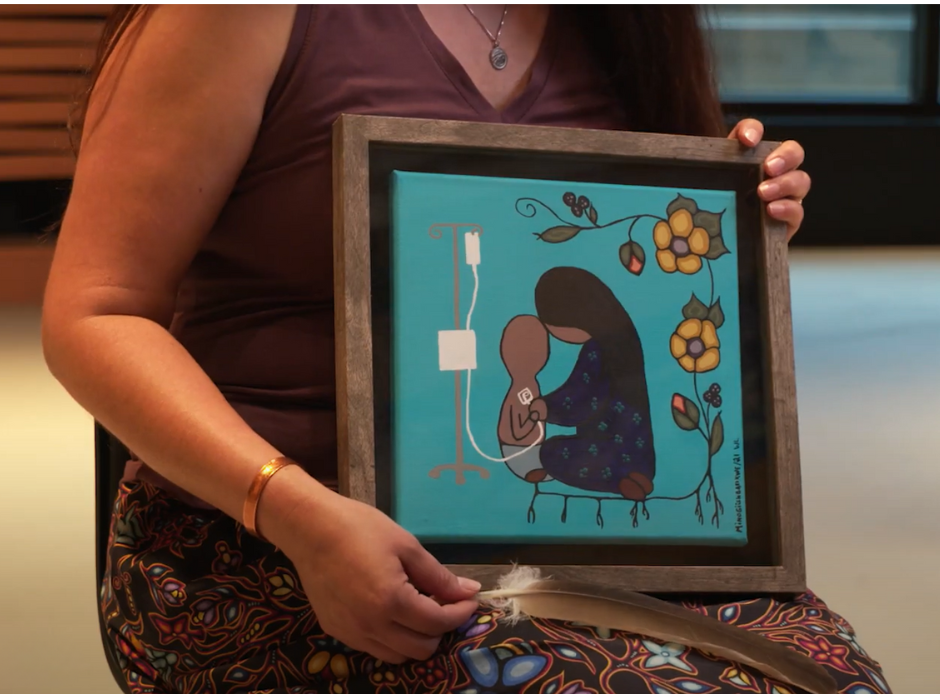
I had the privilege of getting to know the patient featured in the video, Makenzy, and his mom, Wendy, during a long stay at SickKids, so you can imagine the emotional impact the video has had on me. In the video, Wendy, who, in her spare time, enjoys art as a hobby, shares with viewers a painting, which beautifully illustrates the family’s hope to remain connected to their Indigenous culture and practices while Makenzy was receiving treatment for leukemia. Wendy’s powerful symbol of resilience and connection is not unlike the hope of other Indigenous families who will need pediatric oncology care in the future.
Indigenous families deeply value preserving cultural identity, even as they navigate the challenges of western healthcare. This shared experience resonates with many and underscores the importance of walking alongside Indigenous patients and their communities—recognizing, respecting, and integrating their traditional practices and medicines into our care approach.
Supporting Families through Childhood Cancer Diagnoses
As nurses, we understand how overwhelming it can be for families to receive a childhood cancer diagnosis. Suddenly, families are thrown into an unfamiliar world filled with medical jargon, blood tests, diagnostic procedures, and various healthcare providers. While trying to comprehend the gravity of the diagnosis, families are faced with making significant treatment related decisions that may feel overwhelming, all while grappling with the emotional shock of the news.
Now, imagine how much more difficult this experience is for families coming from a place of historical and medical trauma, racism and discrimination, loss of cultural identity, and health disparities. The intricate nature of these challenges can magnify the emotional toll, making it even harder for families to navigate this already overwhelming experience.
Creating a Culturally-Sensitive Support Tool for Indigenous Families
Our vision in creating the video is to provide an avenue to open communication, build rapport, and share information in a way that is culturally sensitive and less overwhelming for Indigenous families facing a new childhood cancer diagnosis. Acknowledging the significant value of connection within Indigenous communities and with their elders, we also understood the importance of providing an educational tool that families can share with others.
Thank you for reading my reflections on the privilege of participating in the POGO Indigenous Children with Cancer Committee and helping to create the video, Childhood Cancer: A Guide for First Nations Communities. If you haven’t watched it yet, I encourage you to do so.
Watch Childhood Cancer: A Guide for First Nations Communities
I hope it becomes a valuable resource for sharing with colleagues, but most especially, with Indigenous pediatric oncology families you support. As nurses, we have the privilege of spending meaningful time at the bedside, listening to families share their stories, building trust, and advocating when their voices need to be heard. My hope is that the video, along with other POGO Indigenous resources, will support you in fostering these important relationships with cultural humility, an openness to listen and learn, and compassion in the care we provide.
Jennifer Keis is a pediatric nurse practitioner at The Hospital for Sick Children, working with families facing leukemia or lymphoma.

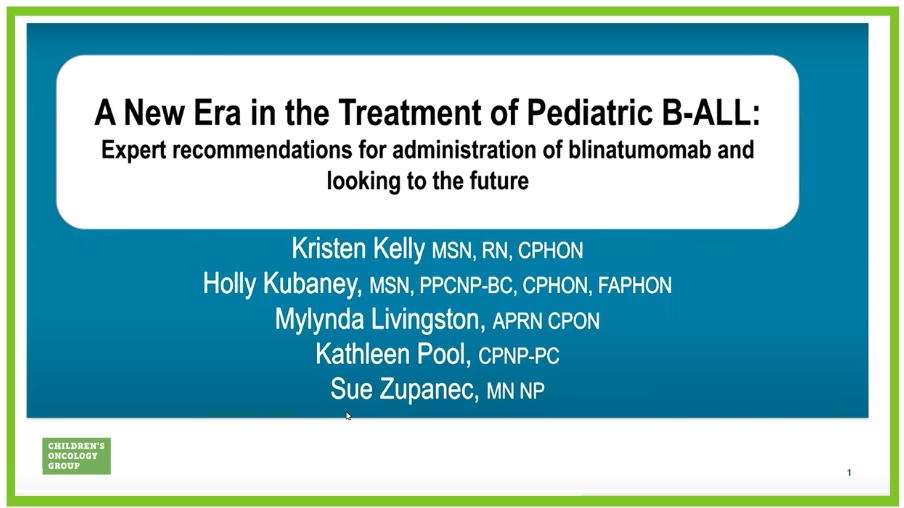
A New Era in the Treatment of Pediatric B-ALL
Expert Recommendations for Administration of Blinatumomab and Looking to the Future
For those working in pediatric oncology, there’s been no shortage of conversation this past year about a new era in treating pediatric B-ALL. The Children’s Oncology Group (COG) Nursing Steering Committee hosted a webinar earlier this year, providing insights into the widely discussed AALL1731 study and sharing practical strategies for managing blinatumomab infusions. This webinar was presented by the Children’s Oncology Group (COG) Nursing Steering Committee on February 12, 2025.
The intended audience for this webinar is primarily nurses, although allied health professionals will also find it beneficial. Attendees will gain insights into the AALL1731 study results and learn how nurses have effectively addressed challenges related to blinatumomab infusions in their institutions.
The webinar objectives are:
- Review AALL1731 study results
- Highlight nursing contributions to success of blinatumomab on COG clinical trials
- Brief review of qualitative results – perspective of caregivers
- Framework for improving healthcare experiences
- Perceived risks (to patient/family outcomes) with care delivery
- Consideration of hypogammaglobulinemia
- Sharing examples of delivery practices
- Rural populations
- 7-day bags
- Equipment challenges
- Prior authorization
If you missed the live webinar, you can still watch it here – COG Nursing Webinar Blinatumomab
 If you collect Continuing Education Units, you can earn 1.5 hours by watching this presentation and using the QR code to access the evaluation.
Articles of Interest
- Bernhardt MB, Militano O, Honeyford L, Zupanec S. Blinatumomab use in pediatric ALL: Taking a BiTE out of preparation, administration and toxicity challenges. J Oncol Pharm Pract. 2021 Mar;27(2):376-388. doi: 10.1177/1078155220979047. Epub 2020 Dec 18. PMID: 33334253.
- Montgomery KE, Zupanec S, Yun C, Okada M, Kubaney H, Feehily E, Withycombe JS. A Quality Approach to Blinatumomab Delivery in Pediatric Oncology: A Children’s Oncology Group Study, 2024, J Pediatr Hematol Oncol Nurs (Epub 9 Sept 2024).
- Withycombe JS, Kubaney HR, Okada M, Yun CS, Gupta S, Bloom C, Parker V, Rau RE, Zupanec S. Delivery of Care for Pediatric Patients Receiving Blinatumomab: A Children’s Oncology Group Study. Cancer Nurs. 2024 Nov-Dec 01;47(6):451-459. doi: 10.1097/NCC.0000000000001309. Epub 2023 Nov 22. PMID: 38016041; PMCID: PMC11128477.