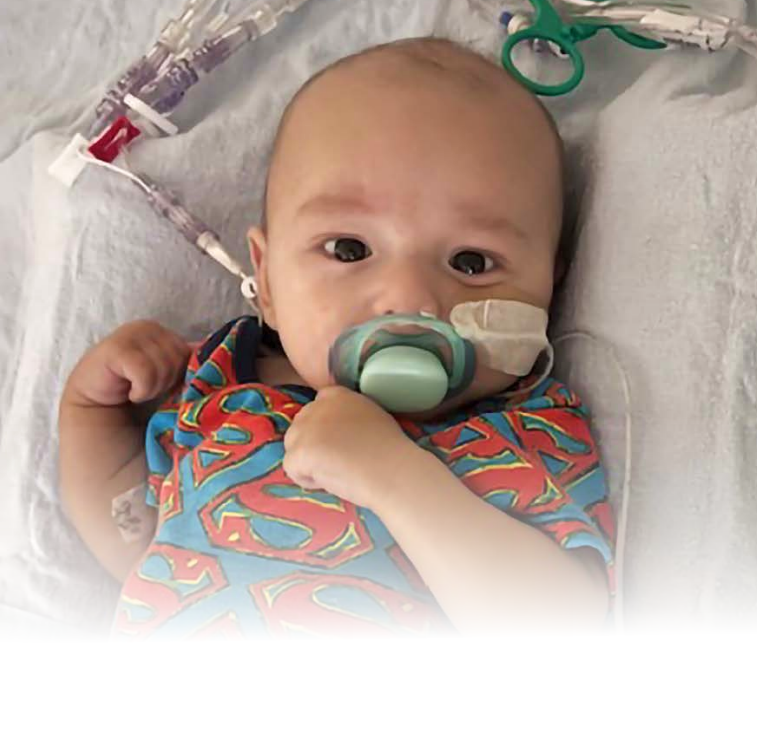
Making Sense of my Mental Health: Fernando Da Costa’s Story
How it Started
My journey began before I was capable of having conscious memories. When I was two, my mother noticed something off. I can only assume it was my poor balance. Whenever I tried standing, I’d struggle.
In the following years, the oddities persisted. My mother continued taking me to the hospital, but each time it was waved away by my pediatrician as being a flu.
Now, my parents are immigrants from Portugal. They knew little English when they first came to Canada and, thus, were limited in communicating. My cousin had a better grasp on the language but wasn’t privy to how to approach what was happening to me or the proper questions to ask. It seemed hopeless.
Then, after two years, my parents saw an herbal doctor in Toronto. He spoke Portuguese, too. My mother was finally able to tell someone the full story in her native dialect. It was the first time it would be relayed in a cohesive manner.
I was four at this point. In the two years prior to this visit, my pediatrician continued to insist it was a flu. After my mother and the herbal doctor spoke, the herbal doctor turned to me, asking me to kneel before attempting to stand.
I did as he wanted and unsurprisingly, I was wobbly. He had an immediate inkling as to the issue—a brain tumour. He told my mother to go to the hospital, demand a CT scan, and to not leave until I got it. Now, it’s worth noting that none of my family members knew what that was. My pediatrician never mentioned it once. No, he stuck to the flu narrative.
She did as requested but still, the doctors refused. As a child, I guess radiation could cause complications. Thankfully, they eventually gave in. What they found was a tumour that had quietly grown to the size of a grapefruit. I was rushed to the operating room.
After the operation, I wasn’t meant to walk or talk, and it was thought I’d forever lack basic human functions. The early years of my life had me bound to a wheelchair.
Fun fact—my dominant hand used to be my right but, while going to physio and relearning how to use my body, I became ambidextrous.
My neurosurgeon referred to me as his miracle child. I wasn’t supposed to survive, to live to be an uncle, be in relationships, or have a life. I’ve done all of it. I defied the odds.
At 18, I was discharged from Hotel Dieu Hospital. I wouldn’t be followed again until I was about to leave for college. I hooked up with POGO and through them, I got a great counsellor in the POGO School and Work Transitions Program named Sarah.
How it’s Going
I’m 33 now and still have ill effects from the cancer. I’m traumatized, have difficulty keeping friendships, and have severe anxiety, as well as depression. I’m a mess. My memory is awful, my balance is terrible and my right side is weak. The nerve endings on my right are damaged, with my facial ones severed, giving me permanent Bell’s Palsy. The psychological effect is immense. At one point I was in cognitive behaviour therapy but the gains I made there were lost once those sessions ended.
At one point, I was even suicidal. I have scarred arms from that. I’m lost. I’m scared.
I need support, psychosocial and so much more, and I know POGO can only do so much. Sarah has put up with me for over a decade now. With her help, I’ve tried to find a job, but I still have trouble because no one wants to hire a liability
I live in solitude and isolation. I still rely a lot on my parents so, once they pass away, I fear I’ll be homeless. As someone with disabilities, I feel society has cast me aside. All of my difficulties are seen as excuses despite being medically justifiable. It’s a daily fight with unfair judgments.
Luckily, in advocating for me, Sarah has recently helped me to become part of the POGO AfterCare Clinic at Kingston General Hospital. I have been able to see a pediatric social worker who kindly referred me back to a brain injury clinic and I’m now being referred for ongoing psychosocial support. Even with Sarah’s support, it’s still a slow burn.
Regardless of my disabilities, declining mental health, and deteriorating brain tissue thanks to radiation treatment, I’m fighting to build a life. I write reviews and have cultivated relationships with companies. I’ve also written three fantasy novels. They’re unpublished, but I hope to get that rectified someday. I’m still beating the odds.

The Creeping Terror! By Jamie Irvine
Hello Boils and Ghouls,
Crypt keeper Jamie here with a spooktacular post. As someone who was born on Halloween, the day holds a special place in my heart. From the dressing up to the candy, it is easy to see why any kid would love it, but as I grew older, one of my favourite things quickly became the scary movies that come out around this time of year.
My favourites are definitely the old slasher films like the Friday the 13th, Halloween and Nightmare on Elm Street series. The general format is a group of teens go to X creepy place, are quickly stalked by some unknown entity, and then get routinely picked off one by one until all that remains are the killer and the “final girl” (obviously Jamie Lee Curtis is queen of final girls J).
To me, some of the most exhilarating moments are when the soundtrack picks up and you get that feeling that something dreadful is going to happen. That level of intense fear gets my adrenaline pumping and my imagination goes to dark places. I love it!
So, why am I talking about scary movies on a childhood cancer website? Well, the truth of the matter is, when it comes to my future health…I’m scared, very scared.
I’m afraid that my cancer is going to come back.
I’m afraid that my late effects are going to get worse.
I’m afraid that if something is discovered, I will no longer have the strength to fight back like I did before.
The fear is real and it doesn’t go away when the movie ends and the lights come on.
And, if I am being honest, I have to admit that I dread my annual POGO AfterCare Clinic appointments to monitor my health…I am scared of what they might find.
Yet, like all survivors (horror-film-final girl included), I somehow manage to pick myself up and go on. I think that for me, this strength comes from an understanding that avoidance is the worst thing I could do for my health and, most importantly, because my fate would be worse than all horror film victims combined if my mother found out I missed an appointment.
So, to other survivors reading this, believe me when I say that it is ok to be scared about your health and worried about your AfterCare visits. But the worst thing you can do is to skip them. While avoiding the threat altogether is great advice for anyone in a horror film, it's not the same for your health.
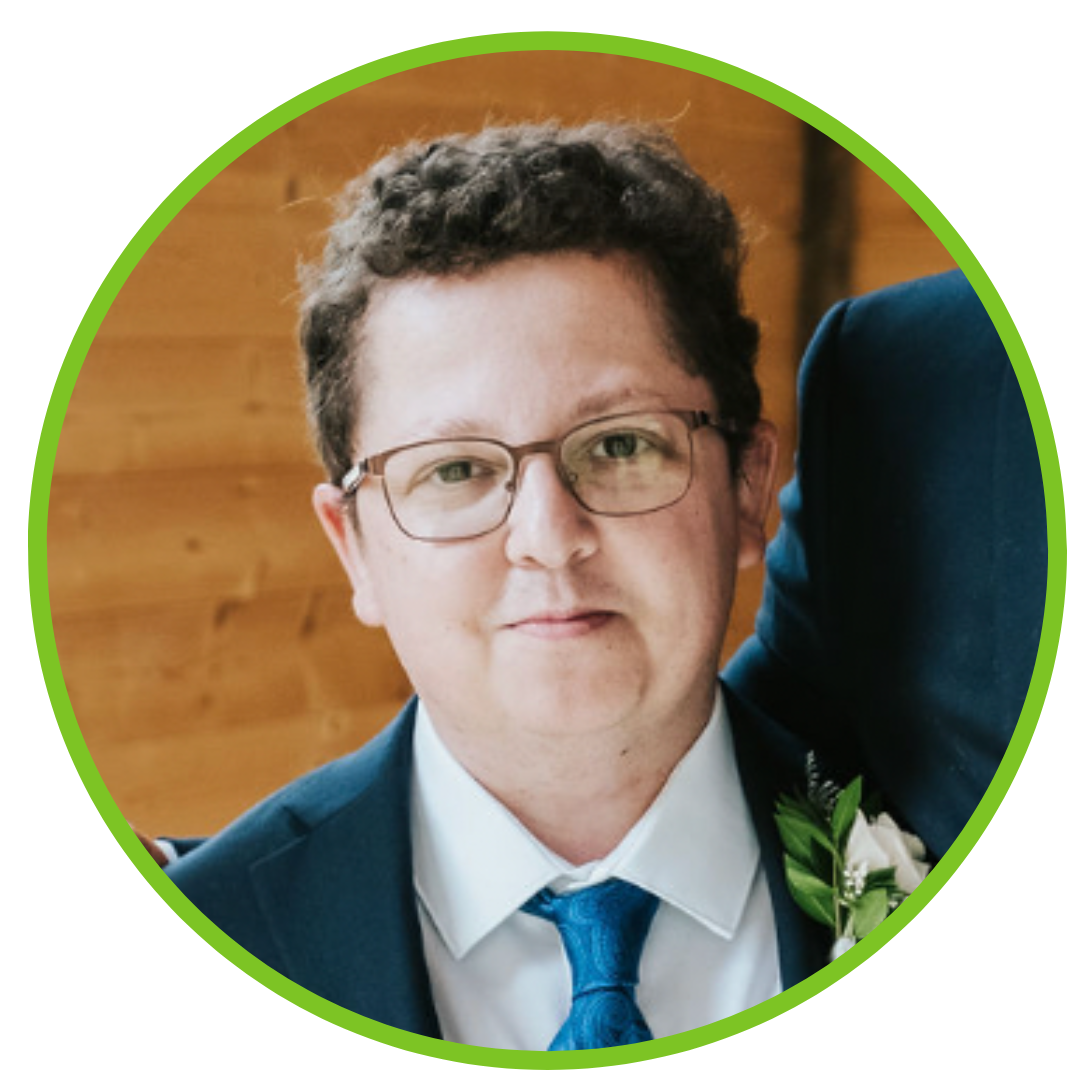 As part of his AfterCare monitoring, Jamie recently had a colonoscopy where they found some polyps—all of which were benign and removed on the same day. He says it was scary to hear, but it would have been worse if he had delayed his visit and the polyps developed into something else. Read Jamie’s funny account of his colonoscopy in Poops and Farts
Central Nervous System Tumours the Focus of 2022 POGO Symposium
Survivor Jessica Wright’s story underscores the importance of this topic
Jessica Wright was 10 years old when her migraines and struggles at school began. She remembers going to the doctor several times but it was a teacher—a childhood cancer survivor herself—who convinced her parents to insist on an MRI. Her family was shocked when Jessica was diagnosed with a pilocytic astrocytoma tumour, which Jessica describes as a slow-growing brain tumour.
Jessica’s tumour was of the central nervous system (CNS), and CNS tumours are second only to leukemias in terms of incidence rates in children. Survivors of CNS tumours often contend with significant late effects that can impact them for the rest of their lives.
From November 4 – 5, a renowned roster of speakers at the 2022 POGO Multidisciplinary Symposium on Childhood Cancer will examine clinical and scientific advances in the diagnosis and treatment of CNS tumours in children and adolescents and highlight the impact of this disease on patients, families and survivors.
“In the last decade, the pediatric oncology world has observed a dramatic improvement in our understanding of the developments and mutations that cause childhood brain tumours and how to better treat them,” says Dr. Uri Tabori, POGO Symposium co-chair and head of the pediatric brain tumour program at SickKids. “Together with new technologies, this resulted in a revolution in our approaches where we have moved away from conventional chemoradiation to novel targeted therapies, radiation and surgical techniques. These changes have had a major effect on the long-term outcome of children affected with brain tumours, and how we manage their care and tumours when they mature into adulthood. This Symposium is unique as it will provide important updates on these new opportunities as well as discuss them in the context of history and present health providers with insights into our approach to these cancers in the genomic era.”
Dr. David Hodgson, POGO Medical Director and Chair in Childhood Cancer Control, co-chairs the 2022 POGO Symposium with Dr. Tabori. “Even beyond understanding the advances in treatment and tumour biology, providing the best care for these patients involves taking on challenging value judgements, and managing the social, physical and psychological effects that a brain tumour has on the patient and their family,” adds Dr. Hodgson. “The POGO Symposium has always brought together multidisciplinary experts to provide the most current updates across a spectrum of issues. And I’m particularly pleased that we have been able to grow our collaboration with survivors to bring their voices directly into the program.”
Jessica recently made time to share more of her story with us to help paint a picture of life as a survivor of a CNS tumour.
Q: Describe what things were like for you with your original diagnosis.
Jessica: My tumour was smack in the middle of my brain so chemotherapy would not have been effective, and surgery was not an option. I was treated with radiation for six weeks but I still live with the calcified benign pilocytic astrocytoma tumour on my hypothalamus, my brain. I also live with several side effects. I struggle with balance; I move a bit slower than the average person, and my strength is very poor. I have a strong sensitivity to smells and I still suffer from migraines. I am also blind in one eye.
Q: Your parents must have had many difficult decisions to make at that time. Do you remember what that was like?
Jessica: Even though I was only 10, my parents involved me in the decision-making. The doctors gave us all the information and presented every option. They were very patient and gave us the opportunity to choose the direction we wanted to go in. The doctors looked me in the eye as much as they looked at my parents. I think that the honesty I received as a child feeds into how well I am able to advocate for myself today.
Q: What rehabilitation techniques did you undertake to address the challenges you were facing?
Jessica: After my radiation, I struggled with short-term memory. My parents and I would play memory games, word searches, Tetris, and slowly, over time, I was able to deal better with the brain fog. Now those strategies I used as a child have come back into play. My doctors back then also suggested I get special accommodations and aids for school, like having a scribe, but it was so expensive back then. Now it is different; these things are more accessible.
Q: What about any ways in which your cancer affected your personal life?
Jessica: The tumour affected how I interacted with people throughout my school years. I was sent to a vocational high school, which meant I was separated from my elementary school friends. I was teased and bullied a lot due to my disabilities.
My memory issues made learning more difficult and, to this day, my need for accommodations makes getting a job difficult. I have to guess at when disclosing my disability will be a good thing or when it will harm my chances of getting a job.
Same with dating. My psychologist told me the most important thing is to be myself and do what is best for me. I try to find creative ways to disclose my illnesses and my disabilities, and usually it involves humour.
Q: That’s a lot to deal with. Did your healthcare team provide you with any strategies to manage these psychosocial impacts?
Jessica: I am lucky that I have had the same oncology psychologist since I was a child. She has been through everything with me and has given me many coping strategies over the years. I have multiple medical issues right now and I struggle with solving them all at the same time. She counsels me that worrying about things that are out of my control will cloud my judgement. She reminds me to focus on one or two things right in front of me that I can control and to make peace with the things I can’t. Once I have done that, it clears my path and I have more capacity to deal with the harder things on my plate.
Q: You have been through so much. Has your astrocytoma had any other lasting impacts?
Jessica: In 2019, I was diagnosed with clear cell odontogenic carcinoma (CCOC), a rare intraosseous carcinoma of the jaw. I was told there is a direct link between the radiation I received as a child and the current diagnosis. I underwent a 10-hour surgery to have this cancer removed. As a result, my jawbone was removed and replaced with the fibula from my left leg and a titanium plate. My teeth on the lower right mandible were removed, as were my gums, and replaced with the skin graft on my leg (a free flap); a nerve and an artery were removed and replaced with a nerve in an artery from my leg. I had to re-learn how to speak, eat and use my jaw. I live with chronic pain each and every day.
During surgery, a papillary thyroid cancer was discovered and I then had a complete thyroidectomy, para neck dissection and then a complete neck dissection. I did physiotherapy for five months just to re-learn how to walk, and to learn to turn my head to be able to look up and down. After radioactive iodine treatment for my thyroid, I was declared cancer-free and was in remission for a year. Then a PET scan detected nodules on my lungs and a biopsy revealed CCOC in my lungs. Apparently, I am the only patient to be diagnosed with CCOC in my lungs. I just underwent experimental radiation to treat this cancer and I am currently waiting to see if the treatment worked.
Q: What are the major differences between this second diagnosis and your first?
Jessica: Getting a secondary cancer as an adult is harder. I have had to fight and advocate for my healthcare needs. Sometimes this assertiveness comes off as offensive and ruffles feathers. But I know I need to fight to stay alive and I need my healthcare team to listen. I cannot be going to clinic with a lack of trust; it is detrimental to my care. If you want your tomorrow, you have to fight today.
 In 2018, Jessica Wright was a presenter in POGO’s Survivor to Survivor Network. Itwas an opportunity that enabled her to share her experiences with other survivors to help them cope with their own struggles. Jessica still describes the experience as “uplifting and empowering.”
The 2022 POGO Symposium takes place November 4 - 5 in Toronto. Register and learn more!
Elmvale Lions Club Pledges $20K for Families Affected By Cancer
For over 100 years, Lions Clubs around the world have served to improve health and wellbeing, strengthen communities and support those in need. Recently, Lions International added childhood cancer to their roster of global causes, promising to increase acts of support to families and children affected by cancer. This year, the Elmvale District Lions Club chose POGO as one of their beneficiaries of their annual truck draw, pledging $20K for POGO in 2022. In July, POGO sat down with Elmvale member, and Club president, Jenn Rebidoux to talk about their event.
POGO: Tell us about your personal experience with childhood cancer.
Jenn: I think we all have a personal story to share. Mine is our eldest son, although not a young child, was in his 20s when he was diagnosed with a rare cancer. Our community rallied around our family to help us get through the diagnosis and the grueling treatments he went through. The chemotherapy and subsequent surgeries have been life altering for him.
I think everyone knows someone who has had a difficult cancer journey. It is not hard to understand how much more challenging and stressful that would be when you are a young family and how that would amplify the situation. A young child might not even understand what is happening to them, and one parent may have to give up work to become the fulltime caregiver to their child in treatment—this on top of the rest, would be unimaginable to bear.
POGO: How did you first hear about POGO and the work we do?
Jenn: During his District Governor year, Lion Jamie Jones introduced us to POGO. He is extremely passionate about this cause and connected us with POGO’s Chief Development Officer, Lynn Wilson, and POGO Interlink Nurse Tina Hamalainen who set up a Zoom meeting for our members to learn more about the impact our possible support would have on families affected by childhood cancer. We watched an incredibly compelling video that really demonstrates what families go through when their child is diagnosed with acute lymphoblastic leukemia. I don’t think there was a dry eye in the house. We also learned about how POGO Satellite Clinics across Ontario help families stay closer to home when their child is in treatment—two of these clinics are relatively close to our Club. I believe it took about five minutes for us to decide unanimously that we would support POGO with our annual fundraiser.
POGO: $20K will have a big impact on families with a child in cancer treatment. How did you raise such a large donation?
Jenn: Our Club’s Annual Truck Draw. This campaign is a major fundraiser in our community. Annually we raffle off a Ford F-150. We are so grateful to the ongoing community support, and I believe our participants would be proud funds raised though this campaign support such a worthy cause.
POGO would like to gratefully acknowledge the Elmvale District Lions Club and all the ticket purchasers of this year’s truck draw for their support.
Pilot Project Aims to Help Youth in Childhood Cancer Treatment Achieve Academic and Career Goals
Kathryn, like many 18-year-olds, dreamed of attending university. Unlike many her age, Kathryn was undergoing treatment for neuroblastoma when her dream came true.
It was at this point that Sarah Brandon met Kathryn. Sarah is a Counsellor in the POGO School and Work Transitions Program.
“Kathryn was totally spunky and she absolutely blew me away with her motivation to be a university student,” says Sarah. “That was her number one goal. Her number two goal was to fit in and not be seen as different despite being on treatment for neuroblastoma for 14 years of her life.”
POGO Transitions typically supports adolescent and young adult (AYA) survivors of childhood cancer and brain tumours who are faced with significant late effects. These late effects can interfere with their ability to achieve their educational and career goals beyond high school. POGO Counsellors facilitate a smoother transition for these survivors.
A recent study (seeking publication), The Transition to Meaningful Activity for Childhood Cancer Survivors: Understanding the Role of the POGO School and Work Transitions Program (Stasiulis, E., Boydell, K. 2020), reported positive mental and emotional health impacts of the POGO Transitions Program on survivors. POGO hypothesized that extending this support to additional survivor groups, such as youth on-treatment patients, would result in similar outcomes.
In 2021, POGO received $1M in funding from the Slaight Family Foundation for the Program’s expansion. Part of this grant is now funding a pilot project to explore extending eligibility to the Program to include young people, like Kathryn, still receiving treatment while making decisions about their future after Grade 12.
POGO Interlink Nurses work at hospitals with specialized childhood cancer programs and help families navigate the journey of a cancer diagnosis. They identified that there is a small but increasing number of youth still on treatment at a time when they are interested and able to plan for their school and work futures.
Because these patients are facing the additional challenges related to active cancer treatment (including medical disabilities), a collaborative model has been developed in which POGO Interlink Nurses, who have expert knowledge about the clinical care path, will refer clients and collaborate with POGO Counsellors who will apply their expertise in educational and vocational counselling and support.
“Many young people in cancer treatment have a complex diagnosis and treatment protocol,” says Denise Mills, POGO’s Provincial Clinical Lead of Pediatric Oncology Nursing, and Kathryn’s long-time nurse practitioner. “At a time when their health status is uncertain, we are investing in their future and helping them to reach their goals.”
“The accessibility centre at Kathryn’s university was not accessible,” Sarah explains. “She was overwhelmed by the many challenges she faced trying to register as a student requiring accommodations because of her medical disability. Rather than getting the assistance that she required, Kathryn was sent away with a huge task list. This wore on her mental health, affecting her positive, motivated attitude as a student. This is when I had the privilege of using my role to support Kathryn."
"It was very valuable for me to have constant communication with POGO Interlink Nurse Arvinder Aulakh and Denise, who knew Kathryn and her family very, very well," adds Sarah. "They were able to give me background information that was helpful to me as Kathryn’s advocate navigating through the Accessibility Centre’s bureaucracy. I was able to speak with the manager and explain how the Accessibility Centre needed to up its game in order for Kathryn to get the support and accommodations that were rightfully hers. From there, we found professional and sympathetic ears that enabled Kathryn to achieve her incredible lifelong goal of attending university.
Tragically, Kathryn passed away shortly before completing her first year but, along the way, she educated her educators on how to support a student like her with medical disabilities. Working with Kathryn was one of the great privileges of my career and such a rewarding experience. Her motivation, wisdom and beautiful family support were not only courageous, but absolutely inspirational to me.”
The POGO Transitions/POGO Interlink pilot project aims to contribute to the continued care and support of youth who are receiving cancer treatment at hospitals with specialized childhood cancer programs and experiencing challenges in navigating the post-secondary and work worlds as a result. The objective is to address this gap in service through a collaborative model of care. Youth included in this pilot project will qualify for a one-time consultation OR ongoing Transitions counselling based on need. After their participation in the pilot project, patients and/or guardians will be surveyed/interviewed about their participation. POGO Interlink Nurses and POGO School and Work Transitions Counsellors will participate in an evaluation to measure the pilot’s impact and success.
Patients and families tell their stories through their eyes
To quote Brené Brown, “Maybe stories are just data with a soul.” It is POGO’s hope that everyone who engages with these stories will learn something new about the childhood cancer experience, by seeing it through the eyes of patients and their families.
Ethan’s Story
Ethan was six years old when he was diagnosed with medulloblastoma, sub category 3.
Today, Ethan is 10 years old and in this story he draws on his love of video games to talk about overcoming obstacles, forging new paths, and appreciating what makes him and others unique.
Layya’s Story
This story is a poignant reminder of the impact that a childhood cancer diagnosis has on the entire family unit, in particular, siblings. Layya talks about the confusion and pain she felt watching from the sidelines as her sister, Sara, went through treatment for a brain tumour.
Sara’s Story
Sara is Layya’s sister. She was diagnosed with low-grade astrocytoma when she was seven years old. What followed was a harrowing journey that moved her family from their home in Lebanon to Canada to seek treatment, which was difficult for the entire family. The hardest part of the journey for Sara, though, came after she was declared "cancer-free," which is an experience shared by many survivors. Reintegrating into school and relating to her peers were tremendous challenges at first. Yet Sara perseveres, and her story is a powerful reminder that even small acts of kindness can make all the difference in the lives of a child with cancer.
Yvonne’s Story
Yvonne is mother to Alyssa. This story describes Yvonne’s early experiences with the healthcare system as she searched for an answer to what was ailing her child. A mother’s intuition is a powerful thing, and Yvonne knew something was terribly wrong. Instead of support, she encountered suspicion, judgment and worse.
This story delivers a message that is hard to hear, but one that we can all learn from. It is not about any one institution, but rather highlights inequities in the healthcare system at large that will only be corrected when we collectively acknowledge and address them. POGO shares this story in the spirit of learning together to help us all be positive agents of change.
Nelly’s Story
Nelly was diagnosed with medulloblastoma when she was 10 years old, which significantly affected her vision. She was in the dark—literally and figuratively—and felt so hopeless at times that she didn’t see the point of engaging with the world around her. Nelly’s story reminds us how disorienting a cancer diagnosis can be for a child, and how resilient children can be in the face of challenging circumstances.
The Ups and Downs of Disclosing That You Are a Childhood Cancer Survivor

Jessica Wright is a brain tumour survivor. In 2018, after an application process, she was selected as one of four Survivor to Survivor (S2S) Network Presenters. POGO’s S2S Network is a special series of interactive sessions where survivors present helpful information, lead discussions and share personal experiences about a variety of survivorship topics. During the course of their engagement, presenters build skills, a connection and a community with fellow survivors.
By Jessica Wright
By the time I was 10 years old, I was having lots of migraines and struggling at school.
My family brought me to the doctor several times, but I wasn’t diagnosed until my teacher—a childhood cancer survivor herself—convinced my parents to insist I get an MRI. I remember all of us were in shock when they told us I had a pilocytic astrocytoma tumour, which is essentially a slow growing brain tumour.
The tumour is smack in the middle of my brain so chemo would not have been effective, and surgery was not an option. I was treated with radiation for six weeks, but I still live with the tumour today; I liken it to a dead mouse behind a wall. I also live with several side effects. I struggle with balance; I move a bit slower than the average person and my strength is very poor. I have a strong sensitivity to smells and I still suffer from migraines. I am also blind in one eye. None of these things are significantly noticeable so I blend in with the rest of the world and look like a healthy person. That’s the thing with childhood cancer survivors; many of us live with disabilities long after we survived our illness. For some people, like me, these disabilities are invisible so we can be perceived as lazy, especially in a school or work environment.
Sign up for the The POGO School and Work Transitions Program newsletter
That is why I am so grateful to POGO for creating a program where survivors can learn from each other about how to deal with things like employment, school, advocacy and disclosure. I need special accommodations to compensate for my disabilities and I have learned firsthand that how and when you choose to disclose these things can contribute to your success at work.
There was the time I was hired to work at a store, and I chose not to disclose my disability. My job was to stock the shelves and set up for the store’s grand opening, after which, perhaps, I would be hired permanently once the store opened. It went well for the first couple of days until I got stuck in the aisle with cleaning products. I tried to tough it out, but I got light-headed and felt faint. I asked my supervisor if I could be moved to another area of the store and she was accommodating, but my co-workers didn’t know why; they just felt I was getting special treatment. I think if I had said something at the beginning, I would never have been put in that aisle to begin with and maybe things would have turned out differently.
I have another story where I disclosed my disabilities during the hiring process because part of my job was going to be accepting deliveries. I let them know that I cannot manage with very heavy lifting and about some of my other challenges because of my brain tumour. My supervisor was very understanding and even supportive. After a few weeks, when she saw me struggling at the end of a long day, she asked if I wanted to work shorter shifts. She tried to work around my limitations as best she could.
Being a POGO S2S facilitator has enabled me to share my experiences with other survivors and hopefully help them cope with their own struggles. It has also been very uplifting and empowering for me. Everyone understands what I am going through. No matter what I say or what I do, they don’t judge me, and they don’t complain. I have never been anywhere where I felt so accepted. It has truly been the best experience of my life.
This story was featured in POGO’s 2019 Community Impact Report.
Welcome to our New Corporate Partner
We are thrilled to announce that in November 2022, Desjardins made a three-year commitment of $90,000 to POGO. Together, we are transforming the cancer journey for children, youth, survivors, and their families in Ontario and beyond.
As a financial cooperative group committed to empowering people and communities, Desjardins recognizes the socioeconomic toll childhood cancer treatment has on our families.

How the Germ of an Idea Spread in a Community
 By: Dr. Jodi Rosner
The idea for the Kitchener Kids with Cancer Run/Walk came to me while I was running in my first half marathon in 2013. These races can be very inspirational. There are people cheering at the side of the road encouraging the runners with signs like, “Smile if you don’t have underwear on” and “The pain goes away, but electronic results last forever.” Although these signs put a smile on my face, my personal reasons for completing the race were all the memories of the kids I have been blessed to meet in my role as a pediatric oncologist at Grand River Hospital. If they could endure what we put them through when they are fighting cancer, then surely I could make it to the end. The idea to organize a race to raise money for children with cancer came to me that day, growing with each kilometre, and by the time I crossed the finish line, I had the beginning of a plan.
In 2014, the first Kitchener Kids with Cancer Run/Walk took place at the back of the hospital in the doctors’ parking lot. We had about 135 participants and we raised $17,000 in support of POGO and the services they provide to our young patients and their families. We thought this was a great success. Little did we know that this race would grow to be a huge event, touching the lives of many in the community.
We have since outgrown the hospital parking lot. The race now takes place at the Waterloo Region Museum, attracting close to 600 participants. To date, we have raised over $350,000 for POGO. It is incredible to see how a community can come together to fight for such a great cause. This race has turned into a way to support the kids who are currently fighting cancer and to remember those who have lost their battle. I am thankful to all of the families that I have had the pleasure of caring for and for the wonderful committee members who are the real reason that this race is such a success.
The 2022 Kitchener Kids with Cancer run takes place on Sunday, September 11. Everyone is welcome and we look forward to seeing you all there. Learn more at www.kwrunforpogo.com
In 2018, Dr. Rosner was recognized as a valued partner with a Friends of POGO Award. Learn more.
Counselling Programs Help Cancer Survivor Navigate His Career Path
Dirk Noyahr was always proud of the university degree he earned but it took him a long time to come to terms with the one he didn’t. Today, at 26, Dirk is feeling better about his choices. He got there thanks to members of the healthcare team caring for him as a survivor of childhood cancer who referred him to two distinct counselling programs, enabled by POGO.
Dirk was diagnosed with brain cancer—medulloblastoma—at the age of 17.
“I was in what was supposed to be my last year in high school and, instead, I ended up undergoing treatment for cancer.”
Dirk had surgery to remove the tumour and was also treated with radiation therapy and chemotherapy. Throughout his treatment, Dirk was home schooled and gained enough credits to graduate on time.
“I didn’t have the prerequisites I needed to get into a science program like I wanted, so I applied for psychology and spent the first year of university taking the courses I needed to switch.”
However, school wasn’t as easy as it was before.
“I struggled with memory, multi-tasking and focus. Still, in 2018 I graduated with a degree in biochemistry from York University and soon after was accepted into the radiation therapy program at the University of Toronto, a joint program with the Michener Institute of Education at University Health Network.
I picked the radiation program because, as a cancer survivor, I felt I could be supportive to other patients going through the same thing. I just wasn’t sure if it was the right choice for me. I was also processing my own and my parents’ thoughts and feelings about the time and money I had already spent obtaining a biochemistry degree.
Luckily, it was at this time when I met Barb, my POGO School and Work Transitions Counsellor.
I was at one of my annual appointments at the POGO AfterCare Clinic at Princess Margaret Cancer Centre. I had been discussing some anxiety about my new career path and the POGO School and Work Transitions Program was recommended to me.
Barb helped me conclude that it was okay for me to have this newfound aspiration, and she was instrumental in helping me win a $5000 scholarship for childhood cancer survivors to pursue it.”
Then an unfortunate and unexpected situation happened during Dirk’s clinical practicum.
“I felt the trauma of treatment come back to haunt me. I was reserved and had trouble interacting with patients and other therapists. The school requested I take a break until January 2020 with the stipulation that I get support to help me manage.
Barb attended meetings with me at the university and facilitated letters to help in the adjudication process. She acted as a sounding board throughout. She also arranged for me to defer my scholarship until my return to classes.
When I returned to school, things were going well until my last year, during my placement. It was only then, doing the job, that I realized what it was truly like and I found it wasn’t right for me. There was too much loud talking, shouting out numbers and instructions, and working at a fast pace while making sure everything was accurate; this just didn't suit me after my cancer diagnosis. As someone who likes to take his time, not make quick decisions that can literally harm patients if I get the decision wrong, I just could not see myself doing this full time until I retired.”
Dirk’s career path to radiation therapy changed around the same time that the pandemic turned everyone’s world upside down. He found new pursuits; one of them was drawing on a latent interest in technology. Through online instructional videos, he began learning about web development and programming his own web applications.
“I didn’t pursue this before because I always felt pressured to go into healthcare—maybe because of my desire to give something back based on my diagnosis and survival. Then, I was on a virtual appointment with a nurse practitioner in my POGO AfterCare Clinic. I told her about my feelings related to the change in my career path and she referred me to the Canadian Cancer Society’s (CCS) Pediatric Family Counselling Program at Princess Margaret Cancer Centre.”
In keeping with POGO’s Childhood Cancer Care Plan goals to address the growing need for psychosocial services, POGO facilitated bringing the CCS pilot program to a POGO AfterCare Clinic to help survivors manage the impact of cancer on themselves or their family. The program complements the excellent personal care survivors receive in the POGO AfterCare Program by providing individual, private and confidential counselling to address ongoing needs or challenges. The program follows a brief therapy model, which is time-limited and focuses on the client’s presenting symptoms and current life circumstances. It emphasizes the strengths and resources of the client.
Through his CCS counsellor and Barb’s ongoing support, Dirk has come to realize some important things about moving on from radiation therapy.
“Before counselling I felt scared about leaving the comfort zone of a career I was pursuing for three years of my life. I feel more confident now. I know nothing in life is easy. I have to work to get to where I want to be in the tech field. I also now see that healthcare is not the only way to help other cancer survivors; maybe there’s a way to help through this growing field of tech. Thanks to the resources of my CCS counsellor and my POGO Counsellor, I feel like I can be successful. I know I’m on a good path.”
 Dirk has added the title of Presenter in the POGO Survivor to Survivor (S2S) Network to his list of achievements. In 2022, he will be leading presentations for other childhood cancer survivors on self-advocacy, something he has learned through trial and error over the years. Dirk sees his S2S presentations as another way he can give back to others and share some of his knowledge and life experiences after treatment so it can help others in a similar situation.