Should I Apply for OSAP?

What is OSAP?
The Ontario Student Assistance Program (OSAP) is a mix of loans and/or grants funded by the provincial and federal government to help you pay for post-secondary school. The program is open to full-time and part-time students.
How do I know if I am eligible for OSAP?
While many of our clients say they are not eligible for OSAP because their parents’ income is too high, we recommend using the OSAP Aid Estimator to estimate what you could receive. Many clients are surprised that they are actually eligible. Plus, even if you are only eligible for $1, this may allow you to access other types of funding. Individuals with disabilities, for example, may be eligible for more grants, such as the Canada Student Grant for Services and Equipment (CSG-DSE) and/or the Bursary for Students with Disabilities (BSWD). A doctor or neuropsychologist must complete an “OSAP Disability Verification Form” for you. Your POGO Transitions Counsellor can help facilitate this.
*TIP: If an estimate is not yet available for your school year, try using the previous year or try again in the spring.*
I don't want any loans after post-secondary school. Why would I apply for OSAP?
If you are eligible for grants, you can request that you receive the "Grant Only Funding," essentially meaning that you'll receive grants but not the loan portion of OSAP. Typically you do not have to pay back grants. However, this would change if you are not taking the minimum course load, you decide to withdraw from your program or if your application is reassessed to show underrepresented income, for example. Speak with your financial aid office in advance if you'd like the "Grants Only Funding." See the OSAP Aid Estimator link above to see if you would be eligible for grants.
I need the loans portion of OSAP to pay for school, but I’m worried I won’t be able to pay these back after I graduate. What are my options?
First, repayment of student loans has been a little bit easier these past few years with interest on federal loans being waived for the COVID-19 pandemic. This was set to expire on March 31st, 2023; however, at the time of this writing, the Canadian government recently passed a Bill to eliminate this interest permanently. Remember, this does not apply to provincial loans, and some interest will still be accrued.
You also may be eligible for the Repayment Assistance Plan (RAP). Your eligibility is based on your family size and income. There are two stages: “Interest Relief” and “Debt Reduction.” For “Interest Relief,” the government may pay some or all of the interest accrued on your loan. For “Debt Reduction,” they will either lower or eliminate the required monthly payments for six months. You must apply for RAP through the National Student Loans Service Centre (NSLSC) and reapply every six months.
Applying for OSAP can be overwhelming and stressful, so don't hesitate to contact your POGO Transitions Counsellor, who can help you better understand the process or connect you with your school’s financial aid office.
Helpful Link
Let’s Talk About Scholarships!
Written by Lindsay VanSickle
POGO Counsellor London


Graduation Coach for Black Students Promotes more than Academic Success
POGO Counsellors strive for excellence in providing culturally-aware support to the diverse group of survivors we work with. Every February we celebrate Black History Month, which gives us an additional opportunity to learn about and reflect on Black culture and apply what we have learned to our work with students. A resource we want to bring attention to this year is the Graduation Coach for Black Students (GCBS) program through an interview with POGO Transitions manager Barb Williams and Ms. Breanna Phillip (Coach Bre), a passionate and inspiring coach in the Halton District School Board.

Barb: Why did the Ministry of Education create the Graduation Coach for Black Students program?
Coach Bre: The Ministry of Education created the role based on data showing that Black students did not feel safe in schools and were not seeing themselves represented either through the presence of Black people in schools or in the school curriculum. Students are experiencing anti-Black racism from staff and peers in an educational system founded on a history of oppression and are not getting appropriate support from staff when these incidents are reported.
Barb: What is your role as a Graduation Coach for Black Students and how long have you been a coach?
Coach Bre: Coaches support Black students and families in navigating their educational experiences and ensure that they are given the tools and circumstances to thrive in the school system. While we offer direct support to students, another significant part of our role is working with school staff to increase their knowledge and understanding of the impacts of anti-Black racism on the educational experiences of Black students. We also hold staff and faculty accountable for ensuring safe and inclusive educational spaces for Black students. Additionally, we aim to support and advocate for parents of Black students, who also face the exact oppression, racism and alienation that their children experience.
The Halton District School Board has a multi-year strategic plan which includes tenets of equity & inclusion and mental health & well-being. The GCBS program offers services, initiatives and programming that foster equity and inclusion for Black students. Coaches also recognize the experience of anti-Black racism can be extremely traumatizing and directly impacts the mental well-being of Black students, so this program is in line with that component of the multi-year plan as well.
The GCBS program will have been at the Halton District School Board for one year as of April 2023, but has been at other school boards since 2020. I started in this role when the Halton District School Board program began.
Barb: Tell us about a particular moment, outcome or activity you are most proud of in your time as a coach.
Coach Bre: There are many, but one I’m most proud of is the outcome of an affinity space in one of the five schools we work at. An affinity space is essentially a classroom that the Black students can make their own by decorating with visual representations of Blackness, for example. An affinity room is designed to be both a place of belonging and a space that belongs to Black students. However, in this instance, when the students were not in the affinity room, the area was used by non-Black identifying school staff for other purposes. Students said they felt that “teachers were using a master key to break into their space” and were uncomfortable with this. I arranged a meeting with the vice-principal and the students. The students unapologetically articulated that this was their space and did not want other people coming into it. I was so proud of how the students demonstrated their rights and ability to stand up for themselves and their needs. As a result, an agreement was made that the lock to the classroom would be changed, and the students now have a safe and secure space that is truly their own.
Barb: What has it meant to the Black students to have you as a resource?
Coach Bre: I will start my answer with a quote from a student who, when asked about having access to an affinity space, referred to it as “an oasis.” She went on to express that when Black students enter the room, nothing out there matters anymore.
The program allows for a space for students to simply be. When moving through very white spaces as a Black individual, there is a lot of performing that has to happen, and that gets exhausting. With the coaches, students get to just be themselves, and that’s more than enough. Additionally, students have the space to speak out about experiences that have various nuances due to their identity, and they have the safety of knowing I will understand without them having to over-explain. This is not likely an opportunity they have had before.
Additionally, this program ensures that Black student voices are brought to tables where their voices have historically been missing. A Black-identifying staff member sitting at decision-making tables can significantly change a Black student’s educational experience trajectory.
The program also allows Black students to build community and social capital by meeting one another, whereas, historically, Black students have not had the opportunity or space to connect or know each other.
Barb: What does it mean to your education colleagues to have you as a resource?
Coach Bre: Just as with anything else, some people struggle with change, which has been evident. However, others are amazing, excited and open to learning and being held accountable; they know they have caused harm and want to know how to stop causing harm. I am also proud to have been recognized as a recipient of an Inspire Award from the Halton District School Board by the vice-principal of one of the schools where I work.
Barb: How does your presence benefit Black students and the Black student community?
Coach Bre: Number one would be representation. When I went to high school, there were no Black staff at all. If there are Black staff at schools now, the majority are not in higher-ranking positions. They are not at tables of “power” where big decisions are being made. I am at those tables. It has been encouraging for Black students to see and know I am at these tables and realize that sitting at them is achievable and they can do it too.
Barb: How can Black students find a coach at their schools, or can you offer any advice on how students can advocate for adding a GCBS at their school if one does not exist?
Coach Bre: In Halton, although Graduation Coaches are only assigned to five of the many high schools, Black students in schools that don’t have a designated coach can reach out to coaches from schools that do, and we try our best to address their needs. Before the program expands to a school, we have staff on our Human Rights and Equity team that speak with administrators to determine site preparedness for the program. We want to be sure that there is pre-work being done by the school and that they are demonstrating their readiness for the Graduation Coach for Black Students program. We want to ensure that accountability is not placed on the program but that school leaders are held accountable for ensuring that Black students have positive experiences in educational spaces.
Barb: What can POGO Counsellors do to ensure that we provide equitable, safe and informed counselling/guidance to our Black student survivors?
Coach Bre: It is important that as POGO Counsellors you recognize oppression exists not only in school systems but in the medical system. You can best support Black students by understanding how oppression has worked against them, for example, within the processes that have historically excluded their cultural context. Remain curious about culture and, in this case, what is important in Black cultures. For example, in Black culture, community inclusion is often missed as desirable when people in the helping profession lack cultural experience and have been educated in a manner that promotes individualism. Severing the tie between child and parent is one of the historical elements of oppression. It breeds mistrust. So even when working with a student over 18, be conscious of this and consider how to navigate the situation from a place of cultural humility.
Barb: Is there anything else you want people to know about GCBS?
Coach Bre: The title can confuse some people, because we correlate graduation and educational success with academics. People might think that we only work with students in Grades 11 and 12, preparing them for graduating high school. In fact, it takes more than grades for a student to complete their formal educational journey well. We don’t only want our students to finish well academically; we also want them to finish well emotionally, mentally and socially.
When a Graduation Coach for Black Students sits in on school meetings with or about a student, we are the ones who are often able to see the nuances in a student’s situation through the cultural lens because of where we sit in our identity. We bring the lens that has been missing for far too long.
Author’s Note: To find out more about the Graduation Coach for Black Students program, please visit the Ontario Government website

Manager, POGO Transitions Program
When Your Brain Tumour Can’t Be Cured
By Maryam Kraishi
I was diagnosed with cancer when I was just four years old, but what is surprising to most people is that I still live with a tumour in my brain stem.
Removing the tumour has never been an option because of its location. That kind of surgery could cause severe side effects or even death.
Every few years, depending on the growth of the tumour, I undergo whatever suitable treatment is available. I also have a magnetic device with a hollow tube called a shunt running from my head to my stomach. The shunt helps to relieve the pressure on my brain by draining the fluid from the cysts surrounding the solid tumour and redirecting it to my stomach, where it can be reabsorbed
I have spent most of my life in and out of SickKids. This is all I have ever known…until recently.
In February, I completed a course of radiation at the Princess Margaret Cancer Centre. This was my first transition from the children's hospital into adult care. The move felt like losing my second home and all the people I have gotten to know over the rst 14 years of treatment. People like my POGO Interlink Nurse Cory, who was my rock and my comfort person. She coordinated conversations with my peers at school, helped me access accommodations, introduced me to resources, and made navigating school, life and treatments possible for my younger self.
In the adult system, I don’t have a Cory or a team of professionals working together under one roof to support me. While I am lucky because I attend a POGO AfterCare Clinic where all my health information is housed, it is not a one-stop shop. I must go to different hospitals for all the necessary monitoring, including regular MRIs, X-rays, blood work and occasional CT scans.
As you can imagine, all of this has taken its toll on my mental health.
Seeing my family suffer because of my health issues was difficult. It was as though the weight of their stress was on my shoulders. By the time I reached my late teens, I was feeling like a burden. My whole life, I was taking, taking, taking, without the capacity to give.
Eventually, I sought counselling and was formally diagnosed with anxiety and depression. My counsellor taught me other ways to cope, and I can see that my life has value.
And when I started university, my POGO Interlink Nurse introduced me to another resource: my POGO Transitions Counsellor. She helped me navigate the university’s disability services to access the accommodations I need. She also introduced me to scholarships specific to survivors of childhood cancer and continues to help me balance my ongoing health issues while going to school. All of this has been integral to my academic success and mental health.
I know part of my life's purpose is to do something that makes a difference in the lives of kids with cancer, and it starts here by raising awareness of the challenges children and survivors face so that we can help them overcome them.
 The story above is an abridged version of a speech Maryam gave (virtually) from her hospital bed to an audience at a fundraising event benefitting POGO.
In this video, Maryam Kraishi describes her cancer journey and struggle with mental health issues as a result of living with a brain tumour.

Health Monitoring at a POGO AfterCare Clinic Gives me Peace of Mind (Most of the Time)
As a survivor of childhood cancer, I know many would think that once treatment ends, the struggle is over and that the hardest part is finished. However, I know for me and many other survivors I have spoken with, treatment was the easier part of the cancer journey. You had a protocol (a treatment plan), support and resources that seemed to me to be available 24/7, and a team that you could rely on for information. When I entered survivorship as an adult, I immediately felt the difference; mostly, that resources and supports didn’t feel as close at hand, and I had to figure out a lot of things solo. I worried about a possible lifetime of late effects, never really knowing when they could arise.
I was diagnosed with acute lymphoblastic leukemia in November 1998 when I was 10 years old. I completed three years of chemotherapy and then in November 2002 I relapsed. When my treatment ended in 2005—chemotherapy and cranial radiation—I was 18 and no longer able to be seen at my pediatric centre. It was five years after my discharge, at the age of 23, when I learned about the POGO Provincial Pediatric Oncology AfterCare Program. I was so excited to self-refer to the Program! Ever since, I have been seeing my team at the POGO AfterCare Clinic at Princess Margaret Cancer Centre yearly and it changed everything for me in terms of my survivorship.
Every 1 – 2 years since my first POGO AfterCare Clinic appointment, I receive an echocardiogram because some of the drugs I was treated with can be cardio toxic. It is reassuring to know that the team takes my heart health seriously and I am monitored for possible long-term effects. My last echo, in 2021, showed some irregularities with which they wanted to follow up. To many, this would be scary. To me, it is helpful to know that I have a team of medical professionals communicating and working with me around next steps in my care.
When I first started my follow ups with the POGO AfterCare team, we had some discussions about fertility. I admit I wasn’t really interested in the topic at the time, so I never took the opportunity to pursue their referrals. However, when I turned 27 and they asked me if I wanted to explore my fertility options, I said, “yes!” I had two referrals over two years and both physicians helped me better understand my options.
In 2017, at age 30, I was diagnosed with a secondary cancer (unrelated to my childhood cancer), and that prompted me to request a referral to a genetics program to see if I had any genetic predisposition to cancer. While I’d had a similar referral before, this time around everyone agreed it was more important than ever. The outcome is that I now have a more thorough understanding of my risk from a genetics perspective.
I have also been referred to neuropsychology (for testing for accommodations for school), imaging (MRI, ultrasound and bone density) as needed or supported by research, physiatry (for pain management) and ophthalmology, amongst many other areas of care. I am also reminded by my team to see my optometrist for any eye issues, my dentist for oral health and to make sure I see my primary care provider/family doctor in between visits for other health issues that are not cancer related.
But the mind is a funny thing. Yes, I trust my AfterCare team and have the utmost confidence they would continue to support any kind of referral I need. Yet, I worry that I may be at risk of thyroid and breast cancer due to the radiation I received as part of my treatment when I relapsed. My POGO AfterCare team is so kind to reassure me at every visit (literally) that I am not at an increased risk and they explain to me why. These ongoing conversations put my mind at ease and I am very appreciative of the time the team takes with me, each and every visit.
I realize now, that, alongside my primary care provider, the POGO AfterCare Clinic is the best place for me as a childhood cancer survivor. They are able to monitor for possible late effects and refer me to services within my cancer centre so that my care is in one place. If I ever have reasons to believe I need to be seen sooner because of a cancer-related side effect, I know I can call or email the Clinic and they will respond accordingly.
AfterCare is not about seeing my healthcare team for everyday issues, but ensuring that the treatment I had as a child does not impact me as an adult and, if it does, it can be caught early. It makes me feel secure, listened to and in control of my survivorship.

 Kirsten Efremov, MPH, is a childhood cancer survivor who has been monitoring her health annually in a POGO AfterCare Clinic since 2010. She earned her Master of Public Health at Brock University and works at POGO supporting the organization’s survivorship, psychosocial and strategic initiatives. Kirsten believes in giving back to the community and volunteers with causes that support children and youth going through cancer treatment, and survivors of childhood cancer.
Reflections on the 2022 POGO Symposium by Dr. Adam Fleming
CNS tumours under the microscope
The return of the POGO Multidisciplinary Symposium on Childhood Cancer to an in-person event (with a virtual component), was a memorable experience. It was the culmination of two years of disrupted planning and pivoting as we navigated the ever-changing concept of conferences in a pandemic world. While there was an air of speculation about whether we would be allowed to gather together to learn and share in the fall of 2022, the intense work leading up to this event was gratifying.
For me personally, the POGO Symposium had a welcoming, reminiscent feel. The theme of CNS tumours is very much aligned with my clinical interest and expertise, and I was reminded of attending a POGO Symposium in the late 2000s on this same topic, when neuro-oncology was becoming the focus of my practice. To see so many iconic people in this field who are now my colleagues and friends, was very meaningful. As I listened to the many excellent talks and reviewed some fascinating posters, I could really reflect on the big picture and the progress in this field.
Honouring Dr. Bouffet’s career of treating CNS tumours
And to have a glimpse at the big picture, one could look no further than to Dr. Eric Bouffet, a preeminent pediatric neuro-oncologist, recently retired. This year’s Symposium was a chance to honour and reflect upon his extraordinary career, and also for us to hear from his many different perspectives as he shared stories of what it took to care for children with CNS tumours over many decades, and how pediatric neuro-oncology evolved to be the sub-specialty that it is today. With humour and poignancy, Dr. Bouffet graciously gave two talks that were the perfect “bookends” to a great conference, opening Friday morning with his personal journey and closing out Saturday exploring the many relationships and connections he has built over the years. I’m sure I was not alone in feeling inspired by his lifetime of contributions.
Exploring genetics, data, research and a new era of treatments
Drs. Anita Villani and Anirban Das explored their fascinating clinical and research work in the field of genetics, piecing together the threads that underlie the risk some children and their extended families face. They taught us how meticulous tracking of rare disease patterns can not only open up our understanding, but lead to surveillance protocols that can make a positive impact and how this work will help us expand our knowledge of what drives pediatric cancers.
I had the privilege of moderating the workshop “Harnessing the Power of the Rare Pediatric Tumour Cancer Registry” with Drs. Lafay-Cousin and Annie Huang. They weaved a story of gathering global data in order to help understand the rarest of the rare CNS tumours, and explored how this could be used to push forward a new generation of treatments. The workshop on end-of-life care was given by two expert speakers, Sondra Leblanc and Kathy Perko, who captivated the audience with real-life experience and insight into a heartbreaking world that they have the honour of being invited into.
While novel scientific discoveries and treatment protocols address the “now” for our patients, Dr. Hallie Coltin presented research about “big data” on the other end of the spectrum—for those who survive into adulthood, and the overall consequences to their health and lives that the burden of cancer and its treatment can create. This paired well with an exploration by Dr. Joel Tourigny into mental health outcomes, which wove research outcomes with an in-depth understanding of how cancer can interact and interfere with the developmental trajectory of children, adolescents and family members. Dr. Tourigny reminded us that we need to understand the larger impact of what we do today in order to improve tomorrow.
The cutting edge of our field was highlighted by several terrific talks. Dr. Vijay Ramaswamy’s overview of how treatments have (and have not) evolved over the years led into a brilliant showcase of the new era of medical treatments
Developmental stage, not just chronologic age, key when caring for AYAs
Over the years, POGO has become a champion for the adolescent young adult (AYA) cancer population, and this was evident in Dr. Brooke Cherven’s sexual health talk, followed by an interdisciplinary panel of adult practitioners who were committed to breaking down perceived barriers for diagnosis and treatment in a world where chronologic age can determine care. These talks challenged us to remember that our patients may abruptly “graduate” into the adult healthcare system on a specific date, but their developmental stage, lived experiences and tumour biology all have their own timeline.
Patient and family stories inspire
The buzz around this year’s new addition of digital storytelling was unanimous—from inspiring to tear-jerking, the visual narratives blew us away with their creative and high-quality portrayal of patients’ and families’ lives. Each one had a different texture and brought an important part of the cancer experience to the forefront. In addition to these stories, a workshop on family decision-making featuring two mothers, Jennifer Baltzer and Cindi Shoot, and a veteran nurse expert in the field, Janet Deatrick, had a tremendous impact on the audience. I am not sure there was a better way to weave the patient and family experience into this year’s Symposium and the audience was deeply moved by the words, stories, music and visuals that were shared throughout the two-day conference.
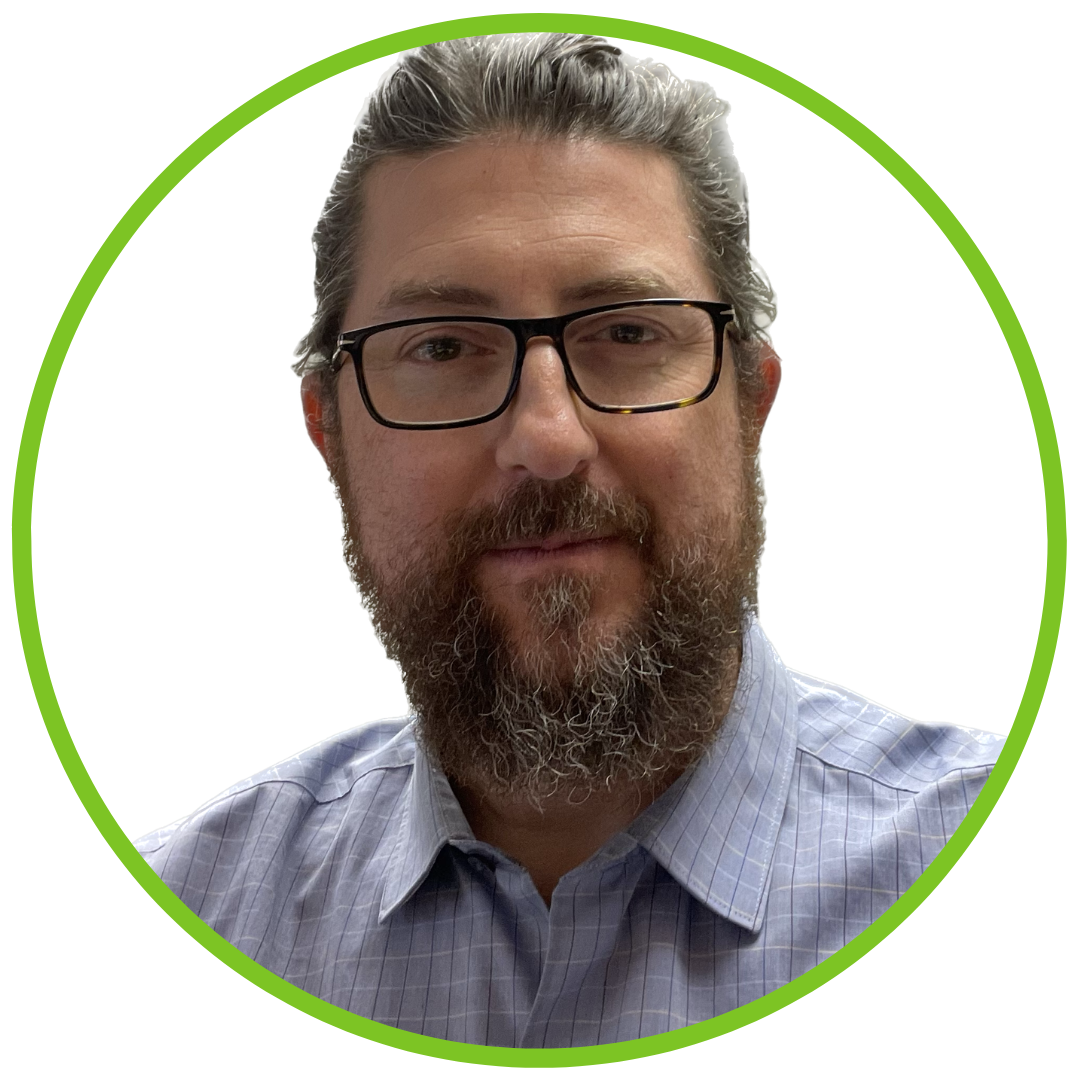 Dr. Adam Fleming is a staff hematologist-oncologist at McMaster Children’s Hospital in Hamilton, Ontario; an associate professor of pediatrics at McMaster University; and a member of the planning committee for the 2022 POGO Symposium.
POGO Helps Widen Access to Clinical Trials for Childhood Cancer Care
The Challenge
Childhood cancer outcomes have seen remarkable improvements thanks to large-scale participation of children and adolescents in collaborative group clinical trials—a core component of childhood cancer care where many patients are enrolled on the same trial for more meaningful study results. For some children with cancer, the long distance between their home and the institutions engaged in these clinical trials presents a barrier to enrollment in clinical trials.
The majority of children’s cancer trials available in Ontario are led by the Children's Oncology Group (COG), the largest collaborative group in the world devoted exclusively to childhood cancer research. As noted on the COG website, “clinical trials are used to determine the most effective and safest treatment for a disease.” The five Ontario hospitals with specialized childhood cancer programs, all of whom are POGO partners, are members of COG based on their ability to provide specialized pediatric care and comply with ethical and regulatory standards of clinical trials.
Smaller community hospitals, like the eight with POGO Satellite Clinics, do not typically have capacity to support the regulatory and ethical oversite of niche trials such as these. Ideally, childhood cancer patients and families should not have to choose between enrolling on clinical trials and accessing the POGO Satellite Program, which allows families to remain in their communities, saving them time and money on travel, and keeping them closer to the much-needed comforts and supports of home.
The POGO Community's Response
In an effort to prevent patients and families from having to make this choice, a system to access clinical trials was created in Ontario that allows the five specialized childhood cancer programs and the eight POGO Satellite Clinic locations to have shared responsibilities.
Some of the results, include:
- A shared-care model that meets collaborative group clinical trials requirements.
- A streamlined, consistent, provincial scientific review of clinical trials for the POGO partner hospitals referenced in this article by a single Research Ethics Board that minimizes the time required to open new clinical trials in Ontario.
- Increased equity of care and access to state-of-the-art treatment protocols across treating centres for children and youth with cancer.
POGO facilitates clinical trials education and training for the POGO Satellite Clinics on behalf of the specialized childhood cancer programs to ensure compliance with the process to participate in clinical trials. POGO also provides ongoing education for physicians working at POGO Satellite Clinics, as well as for nursing and allied health professionals via on-site visits, subsidized yearly provincial symposiums and biennial clinical education conferences.
Reference:
Alexander S, Greenberg M, Malkin D, et al. Pediatric oncology clinical trial participation where the geography is vast: Development of a clinical research system for tertiary and satellite centers in Ontario, Canada. Pediatr Blood Cancer. 2018;65:e26901;https://doi.org/10.1002/pbc.26901
The Canadian Cancer Clinical Trials Network (3CTN), in their efforts to improve access to adult oncology clinical trials for all Canadians with cancer residing in rural and remote communities, reached out to learn more about POGO’s process. 3CTN cites POGO’s model as one of two successful case studies and seeks to adapt and scale POGO’s model to the national level for adult oncology.
"POGO’s Satellite Program provides proof of concept that remote access models can effectively and efficiently provide access to trials for populations that would otherwise be excluded by virtue of geography.” Canadian Centre Clinical Trials Network (3CTN). Canadian Remote Access Framework for Clinical Trials (CRAFT). May 2020. https://3ctn.ca/wp-content/uploads/2022/04/Canadian-Remote-Access-Framework-for-Clinical-Trials.pdf
Celebrating our Young Volunteers
In 2017, three siblings from Aurora, Ontario, organized “PJs and Pancakes in the Park”—their first event to raise money in support of children with cancer. Kate (then 16), Meghan (then 15) and Jack Beswick (then 14) cooked and served pancakes to over 500 community members, friends and family. In partnership with sponsors, they raised over $27,000 at that one massive breakfast.
Since that first foray into raising money for POGO and the families we serve, the Beswick siblings have held three “PJs and Pancakes at Home” fundraisers—bringing pancake breakfast boxes into the homes of their community members, as well as families in treatment at POGO Satellite Clinics across Ontario. Most recently, the young trio launched “Sunday Best”—an afternoon of the best of Toronto’s food, fashion and friends. A three-course brunch catered by renowned chef Mark McEwan and the McEwan Group served over 300 guests in attendance. Entertainment featured live music and a showcase of Toronto's up and coming fashion designers Ellie Mae Studios, Michel's Bespoke Atelier, Tara Rivas and more!

“For our whole lives, being involved in our community and giving back has been a very important part of our family. Growing up we were fortunate enough to spend most weekend mornings sharing warm, fun-filled and slightly chaotic breakfasts in our PJs. However, the idea that so many families with a child battling cancer did not have the same experiences, and that instead, their PJs meant illness and treatment, resonated deeply for the three of us at a very young age. Since 2017, we’ve created these initiatives as a way to celebrate, support and share the incredible work POGO does. The work that has been so important to the three of us and our family since those early mornings spent at the breakfast table. The three of us are exceptionally honoured and proud to be able to support local families with a child battling cancer, alongside POGO.”
-Kate, Meghan and Jack Beswick
To date, the Beswicks have raised over $300,000 in support of children, youth and survivors of childhood cancer, and their families. We admire their commitment to being champions of childhood cancer care. On behalf of all of the families we serve, THANK YOU!
Events in support of POGO are an exciting way to turn your passion into impact for kids with cancer and their families. Your enthusiastic commitment combined with creative and administrative support from POGO can make a real difference in childhood cancer care. Got an idea for an event in support of childhood cancer care? Contact events@pogo.ca
Happy Days Again: My Post-Treatment Cancer Journey

Ella Gwendolyn Jeffery
The first time I had a dressing change, I cried over what my life had become. Three weeks earlier I was healthy and doing all the things an 11-year-old should do—running, climbing, and swimming. Here I was now: fighting a disease that I knew nothing about, except for the fact that it ruins lives. It was ruining mine.
A nurse tried to comfort me by saying, “When this is all over, you’re going to be happy and healthy, and nothing’s going to ever bother you again!” I believed her wholeheartedly; I couldn’t bear to think of any other outcome.
My leukemia did go into remission; the bone marrow transplant cured me of my cancer for good, and I became healthy again. Achieving happiness was a different story.
I returned to school full-time, less than a year after my diagnosis. School was what I had missed most during treatment, and I was expecting it to be fun. But on the first day of grade seven, I found myself in the bathroom having a panic attack. I was worried about germs and all the things that could make me sick. I was scared that my immune system wouldn’t be able to handle it.
Then there were my classmates. They had changed so much during the year I was away. I suppose I looked different too, but the difference in them seemed so sudden and was scary.
Some days I would be in a fog, remembering physical sensations of the pain I endured and fearing it would return. By mid-week I was overwhelmed and exhausted. I started faking being sick to get out of school early. My mother wasn’t fooled, but she didn’t say anything because she knew I was struggling—not physically or academically, but mentally. My world had almost ended, but I was expected to act like it had just kept turning.
That first year back at school, I began counselling with a wonderful therapist at Oakville Trafalgar Memorial Hospital. It took dozens of sessions before I was even able to talk about my leukemia diagnosis, but my therapist remained patient until the day I was able to say, “On October 18th, 2014, I was diagnosed with cancer.” I was challenged to go through these memories, write them all out, and say to myself, “I was diagnosed with cancer, but it’s gone now. I won.”
When I was asked to write this story about a pivotal moment in my cancer journey, I wondered if it would count to write about the recovery after treatment. But then I realized, a huge portion of recovering from a traumatic event is the mental health process; accepting what has happened to you, and knowing that while your life has changed forever, you can still make happy, timeless memories.
In my opinion, the key to recovering mentally from an event like childhood cancer is to acknowledge what happened, express it in any way that you see fit, and then remind yourself of how hard you fought to beat the illness. After that first writing challenge in therapy, I began to write out every detail I remembered from treatment—thoughts, physical feelings, and descriptions all went into a series of journals. Even my memories of what I was wearing on a given day went into my writing! And, over this period, my fog went away. It took years, but more and more I was able to live in the moment with my friends and family, rather than being stuck remembering pain from the past. School became less of a trial and more of a pleasure.
Now I am in classes at my dream university, and I love the life I have created. There are still days where I feel sad about what happened to me. I don’t think you should come out of cancer thinking that nothing’s ever going to bother you again, but I do know that over time, things get better. To every childhood cancer warrior out there, know that you are strong in your battle, happy times do come, and no matter what, every day you are winning your fight!
At the time of writing, Ella Jeffrey was a client in the POGO Transitions Program. With the support of her POGO Counsellor, Ella achieved her goals! (January 2023)
Last updated: June 2024
2022 POGO Multidisciplinary Symposium on Childhood Cancer features patient and family stories
Pediatric Oncology Group of Ontario (POGO) hosted its annual Multidisciplinary Symposium on Childhood Cancer on November 4-5, 2022. The POGO Symposium, organized annually around a central theme, is POGO’s signature educational event for pediatric oncology health professionals. Central Nervous System (Brain) Tumours was chosen as the theme for 2022.
Patients with brain tumours often face challenges that are distinct from other types of cancer. To contextualize the scientific presentations delivered at the POGO Symposium, the planning committee wanted to share patient and family stories to shed light on how a brain tumour diagnosis affects the patient in their day-to-day life and everyone who cares for them.
To achieve this, POGO recruited five individuals whose lives have been impacted by a brain tumour diagnosis to work with Mike Lang, an expert in digital storytelling facilitation. Digital storytelling guides participants to use personal images and videos, voiceover narration, music, and various video-editing techniques to bring the meaningful moments of their life to the screen.
To quote Brené Brown, “Maybe stories are just data with a soul.” It is POGO’s hope that everyone who engages with these stories will learn something new about the childhood cancer experience, by seeing it through the eyes of patients and their families.
Ethan’s Story
Ethan was six years old when he was diagnosed with medulloblastoma, sub category 3.
Today, Ethan is 10 years old and in this story he draws on his love of video games to talk about overcoming obstacles, forging new paths, and appreciating what makes him and others unique.
Layya’s Story
This story is a poignant reminder of the impact that a childhood cancer diagnosis has on the entire family unit, in particular, siblings. Layya talks about the confusion and pain she felt watching from the sidelines as her sister, Sara, went through treatment for a brain tumour.
Sara’s Story
Sara is Layya’s sister. She was diagnosed with low-grade astrocytoma when she was seven years old. What followed was a harrowing journey that moved her family from their home in Lebanon to Canada to seek treatment, which was difficult for the entire family. The hardest part of the journey for Sara, though, came after she was declared "cancer-free," which is an experience shared by many survivors. Reintegrating into school and relating to her peers were tremendous challenges at first. Yet Sara perseveres, and her story is a powerful reminder that even small acts of kindness can make all the difference in the lives of a child with cancer.
Yvonne’s Story
Yvonne is mother to Alyssa. This story describes Yvonne’s early experiences with the healthcare system as she searched for an answer to what was ailing her child. A mother’s intuition is a powerful thing, and Yvonne knew something was terribly wrong. Instead of support, she encountered suspicion, judgment and worse.
This story delivers a message that is hard to hear, but one that we can all learn from. It is not about any one institution, but rather highlights inequities in the healthcare system at large that will only be corrected when we collectively acknowledge and address them. POGO shares this story in the spirit of learning together to help us all be positive agents of change.
Nelly’s Story
Nelly was diagnosed with medulloblastoma when she was 10 years old, which significantly affected her vision. She was in the dark—literally and figuratively—and felt so hopeless at times that she didn’t see the point of engaging with the world around her. Nelly’s story reminds us how disorienting a cancer diagnosis can be for a child, and how resilient children can be in the face of challenging circumstances.
Four Ontario hospitals first in Canada internationally certified as Centers of Excellence in Supportive Care in Cancer
Four major Ontario pediatric hospitals, with specialized childhood cancer programs, are the first hospitals in Canada to be awarded prestigious international certification recognizing their excellent supportive care for children and youth with cancer.
CHEO (Ottawa), The Hospital for Sick Children (Toronto), Children’s Hospital at London Health Sciences Centre, and McMaster Children’s Hospital (Hamilton) were each certified by the Multinational Association of Supportive Care in Cancer (MASCC) as Centers of Excellence in Supportive Care in Cancer.
Supportive care refers to the prevention and management of the adverse effects of cancer and its treatment. This includes the management of physical and psychological symptoms and side effects of treatment, such as infections, prevention of nausea and vomiting, nutrition, physiotherapy, and psychosocial support. Supportive care aims to improve the quality of rehabilitation, secondary cancer prevention, survivorship, and end-of-life care.
MASCC certification recognizes these oncology centres for integrating the highest standards of comprehensive supportive care services with cancer treatment. These hospitals provide comprehensive supportive care to their pediatric oncology patients. They work in partnership with the Pediatric Oncology Group of Ontario (POGO) to ensure everyone affected by childhood cancer has access to the best care and support, including through POGO’s Interlink, Transitions, AfterCare, and Satellite Clinic services, and implementation of POGO’s evidence-based clinical practice guidelines.
These four Ontario hospitals join other leading healthcare facilities around the world as MASCC-Designated Centers of Excellence in Supportive Care in Cancer.
MASCC certification is valid for three years.
About MASCC
The Multinational Association of Supportive Care in Cancer (MASCC) is an international multidisciplinary organization dedicated to research and education in all aspects of supportive care for people with cancer. The certification program aims to promote and recognize oncology centres that demonstrate best practices in supportive cancer care by successfully integrating oncology and supportive care, upholding high standards, and maintaining comprehensive supportive care services. Learn more.
About POGO
Pediatric Oncology Group of Ontario (POGO) works to ensure that everyone affect by childhood cancer has access to the best care and support. POGO partners to achieve an excellent childhood cancer care system for children, youth, survivors, and their families, and healthcare teams in Ontario and beyond. POGO champions childhood cancer care, and as the collective voice of this community, is the official advisor to Ontario’s Ministry of Health on children’s cancer control and treatment. POGO is a non-profit organization with charitable status, here for kids with cancer, for now, for life. Learn more.