The Trouble with Wigs when You’re a Black Teen with Cancer

Cairo Gregory was 15 years old when she was diagnosed with cancer. As a young woman of colour, she has found that the lack of representation of Black cancer patients in the media, as well as the lack of cancer-related resources specific to Black women, has added to her challenging journey.
In mid-March 2022, as my 3rd-period class ended, I doubled over in excruciating pain. An ultrasound a few weeks later revealed that I had a mass the size of a small coconut in my uterus. The hospital ordered blood work and lots of tests and then sent me home.
A few days later, my mom texted while I was at school and told me she was waiting outside to take me to emergency. The tests revealed that my hCG hormone levels were very high—a typical occurrence during pregnancy (which I knew wasn't the case), but it is also a tumour marker.
Ultimately, my official diagnosis was ovarian cancer with an immature germ cell tumour—a very rare form of ovarian cancer. My treatment protocol was nine weeks of chemo followed by surgery on July 12, 2022. The worst part of chemo—at least physically—was that my lungs filled with fluid, and my heart started swelling. My body wasn’t expelling the fluids being pumped into it fast enough. It was hard to breathe, and I felt like I was drowning from the inside out. It was challenging to manage that. I also didn’t expect all the physical and social repercussions of treatment.
Of course, I had seen young characters on TV or in the movies who had cancer, but none of them were Black. The depictions of the frail, skinny, pale patient did not match my own experience. I gained weight. I developed dark spots on my body, which looked like permanent dirt on my mixed skin. And my hair fell out in patches—making me feel insecure and not wanting to see anyone.
I got excited when it was suggested that I visit a hospital wig salon and accessories boutique, but that proved to be a bust. The wigs were the wrong colour and texture—usually straight to wavy; they didn’t stock wigs geared to a teenager of colour who wears her hair naturally. So a resource that was created to help cancer patients look and feel good wasn’t equipped to help me look and feel good. My cultural identity was excluded from that space. I left the salon feeling deflated—it was isolating not to have the same resources available to me that other young women might have.
Unfortunately, there weren’t a lot of Black people around me or in the media talking about cancer and it made it harder for me to find options available to me.
A lot of my friends of colour have a family member or family friend who braids or styles their hair and they have an established place to go to buy products and wigs. I never really had that growing up, although my mom did her best and she was always patient with my hair. We struggled when it came to finding a wig that would suit me; it was hard to find something that was good quality but that was also not going to cost us a couple thousand dollars. In the end, a Black hair stylist custom made a fabulous wig for me (at cost), and taught me how to style and maintain it. I feel more comfortable and confident at school and in social situations.
In retrospect, my experience as a Black young woman with cancer taught me the importance of representation and access. It is essential for Black children with cancer to have access to wigs that match their hair texture and skin tone. No one should be made to feel like they have to settle for an ill-fitting wig. The industry needs to recognize that people come in all shapes, sizes and colours, and that diversity should be reflected in the products that are offered. I hope that my story can inspire positive change and make the process a little less challenging for future generations.

Attend the POGO Celebratory Dinner
 At the 2023 POGO Celebratory Dinner we’re celebrating POGO’s 40th, the return of the POGO Recognition Awards and this year’s recipients, and, as always, excellence in the childhood cancer community.
We’ve packaged the fun in so many memorable ways (photo booth, table games & more) you won’t want to miss it! Plus, there’s dancing.
Friday, November 3
Pan Pacific Toronto
900 York Mills Rd.
Cocktails: 6:00 p.m.
Dinner & Awards: 7:00 p.m.
Tickets: $100
Cash bar
Business casual or conference attire
Ticket sales end Monday, October 30
Buy your Celebratory Dinner ticket now
The dinner takes place during the annual POGO Multidisciplinary Symposium on Childhood Cancer, November 2 - 4. If you’re attending the POGO Symposium, the Celebratory Dinner is included.
Research Study Reveals Merits of POGO Transitions Program
The POGO School and Work Transitions Program is one of only a few established programs designed to help childhood cancer survivors facing educational and employment challenges achieve their academic and work goals. But does it work? (Spoiler Alert: it does!)
 Goal Attainment Scaling (GAS) is a method used to evaluate a student’s functional change after an intervention. The objectives of the POGO study were to:
- describe the Transitions Program’s novel implementation of Goal Attainment Scaling (GAS) to evaluate an educational and vocational counselling program
- analyze patterns of program engagement and client outcomes, according to demographic and diagnostic ranking
Read the study here.
Q & A with our newest POGO Counsellors

WHY DID YOU WANT TO BE A POGO TRANSITIONS COUNSELLOR?
| Sharon: My mom is a cancer survivor and we are infinitely grateful for the supportive care provided at Princess Margaret Cancer Centre. She works as a teacher, and I witnessed her transition back to work after treatment. I saw that a smooth transition to school or work is possible with the proper support and access to the right resources. I wanted to work as a Transitions Counsellor to contribute to that support system that all cancer patients should have access to. | Olivia: I have seen firsthand how difficult and heartbreaking a cancer journey can be; I wanted to be a Transitions Counsellor to hopefully make the journey a little bit easier for folks. Also, I am a bit of a nerd and love to get my hands on any new piece of learning or education, and I was intrigued by the idea of being able to encourage others to develop a love of education as well! |
WHAT IS YOUR FAVOURITE PART ABOUT YOUR ROLE?
| Sharon: The people. Everyone is dedicated and passionate about the work they do. I am beyond honoured to be part of this team. | Olivia: Being able to connect with and build relationships with so many people. |
WHAT IS THE HARDEST ONCOLOGY WORD/TERMINOLOGY YOU HAVE HAD TO LEARN?
| Sharon: There are several; medulloblastoma was one. | Olivia: I don’t know about the hardest, but I think one that surprised me was Sonic hedgehog. |
WHAT HAS BEEN THE BIGGEST SURPRISE WORKING WITH SURVIVORS?
| Sharon: A pleasant surprise was how many survivors prioritized new hobbies. Quite a few mentioned how post-treatment sparked a curiosity to try new things such as pottery, playing a new instrument, joining a book club etc. Hearing about the joy and empowerment of learning a new skill was beautiful. | Olivia: I’m not sure if I was necessarily surprised by anything. Coming into this role, I didn’t know what to expect and made a conscious effort to come open-minded and see everyone as a unique individual regardless of diagnosis. |
DOGS OR CATS?
| Sharon: Team dogs, always. Specifically, golden retrievers. That energy and enthusiasm is contagious. | Olivia: Dogs all the way! Cats are too cold. Plus, my dog Walter, the basset hound, is just about the best animal out there, so I have to vote dogs! |
WINTER OR SUMMER?
| Sharon: I'm an avid hiker, BBQ apprentice and frequent beach-goer, so summer will always trump winter for me. | Olivia: Summer! I love going to the beach, being at a cottage and swimming in the ocean or a pool. |
WHAT IS YOUR FAVOURITE PUMP-UP SONG RIGHT NOW?
| Sharon: Eye of the Tiger by Survivor. It’s a classic! | Olivia: My favourite pump-up song on the radio is I’m Good by David Guetta and Bebe Rexha, but my tried and true song to pump me up is Don’t Stop Me Now by Queen. |

Should I Apply for OSAP?

What is OSAP?
The Ontario Student Assistance Program (OSAP) is a mix of loans and/or grants funded by the provincial and federal government to help you pay for post-secondary school. The program is open to full-time and part-time students.
How do I know if I am eligible for OSAP?
While many of our clients say they are not eligible for OSAP because their parents’ income is too high, we recommend using the OSAP Aid Estimator to estimate what you could receive. Many clients are surprised that they are actually eligible. Plus, even if you are only eligible for $1, this may allow you to access other types of funding. Individuals with disabilities, for example, may be eligible for more grants, such as the Canada Student Grant for Services and Equipment (CSG-DSE) and/or the Bursary for Students with Disabilities (BSWD). A doctor or neuropsychologist must complete an “OSAP Disability Verification Form” for you. Your POGO Transitions Counsellor can help facilitate this.
*TIP: If an estimate is not yet available for your school year, try using the previous year or try again in the spring.*
I don't want any loans after post-secondary school. Why would I apply for OSAP?
If you are eligible for grants, you can request that you receive the "Grant Only Funding," essentially meaning that you'll receive grants but not the loan portion of OSAP. Typically you do not have to pay back grants. However, this would change if you are not taking the minimum course load, you decide to withdraw from your program or if your application is reassessed to show underrepresented income, for example. Speak with your financial aid office in advance if you'd like the "Grants Only Funding." See the OSAP Aid Estimator link above to see if you would be eligible for grants.
I need the loans portion of OSAP to pay for school, but I’m worried I won’t be able to pay these back after I graduate. What are my options?
First, repayment of student loans has been a little bit easier these past few years with interest on federal loans being waived for the COVID-19 pandemic. This was set to expire on March 31st, 2023; however, at the time of this writing, the Canadian government recently passed a Bill to eliminate this interest permanently. Remember, this does not apply to provincial loans, and some interest will still be accrued.
You also may be eligible for the Repayment Assistance Plan (RAP). Your eligibility is based on your family size and income. There are two stages: “Interest Relief” and “Debt Reduction.” For “Interest Relief,” the government may pay some or all of the interest accrued on your loan. For “Debt Reduction,” they will either lower or eliminate the required monthly payments for six months. You must apply for RAP through the National Student Loans Service Centre (NSLSC) and reapply every six months.
Applying for OSAP can be overwhelming and stressful, so don't hesitate to contact your POGO Transitions Counsellor, who can help you better understand the process or connect you with your school’s financial aid office.
Helpful Link
Let’s Talk About Scholarships!
Written by Lindsay VanSickle
POGO Counsellor London

Let's Talk about Scholarships
With the rising cost of living, the thought of paying for post-secondary tuition can feel overwhelming. The additional expenses of textbooks, transportation, equipment, meal plans, etc., add more causes for anxiety. To support the cost of post-secondary education, various scholarships and bursaries are available. Resources specifically for cancer and brain tumour survivors are also available. Let’s explore the options below!
Post-Secondary Education Scholarships and Bursaries
Scholarships and bursaries are available based on academic performance, athletic excellence, community involvement, and financial and life circumstances. Some are made available to specific groups such as cultural communities, clubs, high schools, etc. They do not require repayment.
Your POGO Transitions Counsellor, post-secondary financial aid offices or your high school guidance counsellor are great resources to consult when applying.
Helpful Links:
https://studentawards.com/ https://www.scholarshipscanada.com/ www.disabilityawards.ca
Ontario Student Assistance Program (OSAP)
The Ontario Student Assistance Program (OSAP) provides government funding for student loans and grants. A grant is money you don’t have to pay back, while a loan is money you start repaying after school completion. Both are provided by the provincial and/or federal government and are based on your financial situation.
Regarding OSAP, you may need to start paying back your loan six months after your study period ends. Refer to the OSAP Aid Estimator below to determine your loan eligibility. Even if you only qualify for a small loan, this can lead to other scholarship and bursaries within the program, so it's worth applying for.
Helpful Links:
OSAP website: https://www.ontario.ca/page/osap-ontario-student-assistance-program
OSAP Aid Estimator: https://osap.gov.on.ca/AidEstimator2223Web/enterapp/enter.xhtml
Read Should I Apply for OSAP? https://www.pogo.ca/should-i-apply-for-osap/
2023 Scholarships for Childhood Cancer and Brain Tumour Survivors
Most of these scholarships require a medical letter from your hospital confirming your diagnosis. You can usually get this through your POGO AfterCare Clinic. Let your POGO Transitions Counsellor know if you need help getting this letter.
NATIONAL SURVIVOR SCHOLARSHIPS & AWARDS
| SCHOLARSHIP | AWARD AMOUNT | ELIGIBILITY | APPLICATION AVAILABLE | DUE DATE |
| Childhood Cancer Canada Survivor Scholarship | $1500 OR TEVA $5000 | Undergraduates apply for $1500 TEVA $5000 is for graduate students in health sciences programs | March 1 | April 30 |
| Brain Tumour Education Award | Up to $5000 | You were diagnosed with a brain tumour before age 25 and are currently between 16 and 30 years of age | Spring 2023 | TBD |
| Emmy Duff Scholarship Foundation | $2000 | You are a very active volunteer | October 2022 | May 27, 2023 |
| Terry Fox Humanitarian Award | $7000 each year for up to 4 years | You are beginning to study or already studying toward your first undergraduate degree or diploma; you have made a significant positive impact on your community | November 1 | December 1 |
| The Lorna Rosenstein Youth Volunteer Leadership Award | $1500 awarded directly to the recipient | You are between 14 and 24 years old, impacted by cancer and have shown volunteer leadership in the community | April 2023 | May 18, 2023 |
REGIONAL SURVIVOR SCHOLARSHIPS
| SCHOLARSHIP | AWARD AMOUNT | ELIGIBILITY | APPLICATION AVAILABLE | DUE DATE |
| ChildCan (London) | $1000 | You reside within certain boundaries around the London area | April | TBD |
| Sandra Allen Memorial Education Award (Hamilton – McMaster Children’s Hospital) | $2500 | You are from a Help A Child Smile registered family, are being or have been treated for cancer (or are a sibling of a patient) at McMaster Children’s Hospital and you demonstrate community leadership; You are under the age of 30 | Spring 2023 | TBD |
| Shine Bright Bursary (Northern Ontario) | $1000 | You are a resident of Northern Ontario (north of Parry Sound) and are a childhood cancer survivor or survivor’s sibling | TBD | TBD |
| Leucan (Quebec patients) | $1000 - $2000 | You are a Leucan child member, have been diagnosed with childhood cancer and are enrolled in Secondary IV, V, or a post-secondary study program, or in a special education program | TBD | TBD |
| Xerox/POGO Transitions Scholarship at George Brown College | $1500 *Please contact your POGO Transitions Counsellor for more information | You are a POGO Transitions client and a current student at George Brown College | Varies | Varies |

POGO Counsellor Toronto
Graduation Coach for Black Students Promotes more than Academic Success
POGO Counsellors strive for excellence in providing culturally-aware support to the diverse group of survivors we work with. Every February we celebrate Black History Month, which gives us an additional opportunity to learn about and reflect on Black culture and apply what we have learned to our work with students. A resource we want to bring attention to this year is the Graduation Coach for Black Students (GCBS) program through an interview with POGO Transitions manager Barb Williams and Ms. Breanna Phillip (Coach Bre), a passionate and inspiring coach in the Halton District School Board.

Barb: Why did the Ministry of Education create the Graduation Coach for Black Students program?
Coach Bre: The Ministry of Education created the role based on data showing that Black students did not feel safe in schools and were not seeing themselves represented either through the presence of Black people in schools or in the school curriculum. Students are experiencing anti-Black racism from staff and peers in an educational system founded on a history of oppression and are not getting appropriate support from staff when these incidents are reported.
Barb: What is your role as a Graduation Coach for Black Students and how long have you been a coach?
Coach Bre: Coaches support Black students and families in navigating their educational experiences and ensure that they are given the tools and circumstances to thrive in the school system. While we offer direct support to students, another significant part of our role is working with school staff to increase their knowledge and understanding of the impacts of anti-Black racism on the educational experiences of Black students. We also hold staff and faculty accountable for ensuring safe and inclusive educational spaces for Black students. Additionally, we aim to support and advocate for parents of Black students, who also face the exact oppression, racism and alienation that their children experience.
The Halton District School Board has a multi-year strategic plan which includes tenets of equity & inclusion and mental health & well-being. The GCBS program offers services, initiatives and programming that foster equity and inclusion for Black students. Coaches also recognize the experience of anti-Black racism can be extremely traumatizing and directly impacts the mental well-being of Black students, so this program is in line with that component of the multi-year plan as well.
The GCBS program will have been at the Halton District School Board for one year as of April 2023, but has been at other school boards since 2020. I started in this role when the Halton District School Board program began.
Barb: Tell us about a particular moment, outcome or activity you are most proud of in your time as a coach.
Coach Bre: There are many, but one I’m most proud of is the outcome of an affinity space in one of the five schools we work at. An affinity space is essentially a classroom that the Black students can make their own by decorating with visual representations of Blackness, for example. An affinity room is designed to be both a place of belonging and a space that belongs to Black students. However, in this instance, when the students were not in the affinity room, the area was used by non-Black identifying school staff for other purposes. Students said they felt that “teachers were using a master key to break into their space” and were uncomfortable with this. I arranged a meeting with the vice-principal and the students. The students unapologetically articulated that this was their space and did not want other people coming into it. I was so proud of how the students demonstrated their rights and ability to stand up for themselves and their needs. As a result, an agreement was made that the lock to the classroom would be changed, and the students now have a safe and secure space that is truly their own.
Barb: What has it meant to the Black students to have you as a resource?
Coach Bre: I will start my answer with a quote from a student who, when asked about having access to an affinity space, referred to it as “an oasis.” She went on to express that when Black students enter the room, nothing out there matters anymore.
The program allows for a space for students to simply be. When moving through very white spaces as a Black individual, there is a lot of performing that has to happen, and that gets exhausting. With the coaches, students get to just be themselves, and that’s more than enough. Additionally, students have the space to speak out about experiences that have various nuances due to their identity, and they have the safety of knowing I will understand without them having to over-explain. This is not likely an opportunity they have had before.
Additionally, this program ensures that Black student voices are brought to tables where their voices have historically been missing. A Black-identifying staff member sitting at decision-making tables can significantly change a Black student’s educational experience trajectory.
The program also allows Black students to build community and social capital by meeting one another, whereas, historically, Black students have not had the opportunity or space to connect or know each other.
Barb: What does it mean to your education colleagues to have you as a resource?
Coach Bre: Just as with anything else, some people struggle with change, which has been evident. However, others are amazing, excited and open to learning and being held accountable; they know they have caused harm and want to know how to stop causing harm. I am also proud to have been recognized as a recipient of an Inspire Award from the Halton District School Board by the vice-principal of one of the schools where I work.
Barb: How does your presence benefit Black students and the Black student community?
Coach Bre: Number one would be representation. When I went to high school, there were no Black staff at all. If there are Black staff at schools now, the majority are not in higher-ranking positions. They are not at tables of “power” where big decisions are being made. I am at those tables. It has been encouraging for Black students to see and know I am at these tables and realize that sitting at them is achievable and they can do it too.
Barb: How can Black students find a coach at their schools, or can you offer any advice on how students can advocate for adding a GCBS at their school if one does not exist?
Coach Bre: In Halton, although Graduation Coaches are only assigned to five of the many high schools, Black students in schools that don’t have a designated coach can reach out to coaches from schools that do, and we try our best to address their needs. Before the program expands to a school, we have staff on our Human Rights and Equity team that speak with administrators to determine site preparedness for the program. We want to be sure that there is pre-work being done by the school and that they are demonstrating their readiness for the Graduation Coach for Black Students program. We want to ensure that accountability is not placed on the program but that school leaders are held accountable for ensuring that Black students have positive experiences in educational spaces.
Barb: What can POGO Counsellors do to ensure that we provide equitable, safe and informed counselling/guidance to our Black student survivors?
Coach Bre: It is important that as POGO Counsellors you recognize oppression exists not only in school systems but in the medical system. You can best support Black students by understanding how oppression has worked against them, for example, within the processes that have historically excluded their cultural context. Remain curious about culture and, in this case, what is important in Black cultures. For example, in Black culture, community inclusion is often missed as desirable when people in the helping profession lack cultural experience and have been educated in a manner that promotes individualism. Severing the tie between child and parent is one of the historical elements of oppression. It breeds mistrust. So even when working with a student over 18, be conscious of this and consider how to navigate the situation from a place of cultural humility.
Barb: Is there anything else you want people to know about GCBS?
Coach Bre: The title can confuse some people, because we correlate graduation and educational success with academics. People might think that we only work with students in Grades 11 and 12, preparing them for graduating high school. In fact, it takes more than grades for a student to complete their formal educational journey well. We don’t only want our students to finish well academically; we also want them to finish well emotionally, mentally and socially.
When a Graduation Coach for Black Students sits in on school meetings with or about a student, we are the ones who are often able to see the nuances in a student’s situation through the cultural lens because of where we sit in our identity. We bring the lens that has been missing for far too long.
Author’s Note: To find out more about the Graduation Coach for Black Students program, please visit the Ontario Government website

Manager, POGO Transitions Program
When Your Brain Tumour Can’t Be Cured
By Maryam Kraishi
I was diagnosed with cancer when I was just four years old, but what is surprising to most people is that I still live with a tumour in my brain stem.
Removing the tumour has never been an option because of its location. That kind of surgery could cause severe side effects or even death.
Every few years, depending on the growth of the tumour, I undergo whatever suitable treatment is available. I also have a magnetic device with a hollow tube called a shunt running from my head to my stomach. The shunt helps to relieve the pressure on my brain by draining the fluid from the cysts surrounding the solid tumour and redirecting it to my stomach, where it can be reabsorbed
I have spent most of my life in and out of SickKids. This is all I have ever known…until recently.
In February, I completed a course of radiation at the Princess Margaret Cancer Centre. This was my first transition from the children's hospital into adult care. The move felt like losing my second home and all the people I have gotten to know over the rst 14 years of treatment. People like my POGO Interlink Nurse Cory, who was my rock and my comfort person. She coordinated conversations with my peers at school, helped me access accommodations, introduced me to resources, and made navigating school, life and treatments possible for my younger self.
In the adult system, I don’t have a Cory or a team of professionals working together under one roof to support me. While I am lucky because I attend a POGO AfterCare Clinic where all my health information is housed, it is not a one-stop shop. I must go to different hospitals for all the necessary monitoring, including regular MRIs, X-rays, blood work and occasional CT scans.
As you can imagine, all of this has taken its toll on my mental health.
Seeing my family suffer because of my health issues was difficult. It was as though the weight of their stress was on my shoulders. By the time I reached my late teens, I was feeling like a burden. My whole life, I was taking, taking, taking, without the capacity to give.
Eventually, I sought counselling and was formally diagnosed with anxiety and depression. My counsellor taught me other ways to cope, and I can see that my life has value.
And when I started university, my POGO Interlink Nurse introduced me to another resource: my POGO Transitions Counsellor. She helped me navigate the university’s disability services to access the accommodations I need. She also introduced me to scholarships specific to survivors of childhood cancer and continues to help me balance my ongoing health issues while going to school. All of this has been integral to my academic success and mental health.
I know part of my life's purpose is to do something that makes a difference in the lives of kids with cancer, and it starts here by raising awareness of the challenges children and survivors face so that we can help them overcome them.
 The story above is an abridged version of a speech Maryam gave (virtually) from her hospital bed to an audience at a fundraising event benefitting POGO.
In this video, Maryam Kraishi describes her cancer journey and struggle with mental health issues as a result of living with a brain tumour.
Health Monitoring at a POGO AfterCare Clinic Gives me Peace of Mind (Most of the Time)
As a survivor of childhood cancer, I know many would think that once treatment ends, the struggle is over and that the hardest part is finished. However, I know for me and many other survivors I have spoken with, treatment was the easier part of the cancer journey. You had a protocol (a treatment plan), support and resources that seemed to me to be available 24/7, and a team that you could rely on for information. When I entered survivorship as an adult, I immediately felt the difference; mostly, that resources and supports didn’t feel as close at hand, and I had to figure out a lot of things solo. I worried about a possible lifetime of late effects, never really knowing when they could arise.
I was diagnosed with acute lymphoblastic leukemia in November 1998 when I was 10 years old. I completed three years of chemotherapy and then in November 2002 I relapsed. When my treatment ended in 2005—chemotherapy and cranial radiation—I was 18 and no longer able to be seen at my pediatric centre. It was five years after my discharge, at the age of 23, when I learned about the POGO Provincial Pediatric Oncology AfterCare Program. I was so excited to self-refer to the Program! Ever since, I have been seeing my team at the POGO AfterCare Clinic at Princess Margaret Cancer Centre yearly and it changed everything for me in terms of my survivorship.
Every 1 – 2 years since my first POGO AfterCare Clinic appointment, I receive an echocardiogram because some of the drugs I was treated with can be cardio toxic. It is reassuring to know that the team takes my heart health seriously and I am monitored for possible long-term effects. My last echo, in 2021, showed some irregularities with which they wanted to follow up. To many, this would be scary. To me, it is helpful to know that I have a team of medical professionals communicating and working with me around next steps in my care.
When I first started my follow ups with the POGO AfterCare team, we had some discussions about fertility. I admit I wasn’t really interested in the topic at the time, so I never took the opportunity to pursue their referrals. However, when I turned 27 and they asked me if I wanted to explore my fertility options, I said, “yes!” I had two referrals over two years and both physicians helped me better understand my options.
In 2017, at age 30, I was diagnosed with a secondary cancer (unrelated to my childhood cancer), and that prompted me to request a referral to a genetics program to see if I had any genetic predisposition to cancer. While I’d had a similar referral before, this time around everyone agreed it was more important than ever. The outcome is that I now have a more thorough understanding of my risk from a genetics perspective.
I have also been referred to neuropsychology (for testing for accommodations for school), imaging (MRI, ultrasound and bone density) as needed or supported by research, physiatry (for pain management) and ophthalmology, amongst many other areas of care. I am also reminded by my team to see my optometrist for any eye issues, my dentist for oral health and to make sure I see my primary care provider/family doctor in between visits for other health issues that are not cancer related.
But the mind is a funny thing. Yes, I trust my AfterCare team and have the utmost confidence they would continue to support any kind of referral I need. Yet, I worry that I may be at risk of thyroid and breast cancer due to the radiation I received as part of my treatment when I relapsed. My POGO AfterCare team is so kind to reassure me at every visit (literally) that I am not at an increased risk and they explain to me why. These ongoing conversations put my mind at ease and I am very appreciative of the time the team takes with me, each and every visit.
I realize now, that, alongside my primary care provider, the POGO AfterCare Clinic is the best place for me as a childhood cancer survivor. They are able to monitor for possible late effects and refer me to services within my cancer centre so that my care is in one place. If I ever have reasons to believe I need to be seen sooner because of a cancer-related side effect, I know I can call or email the Clinic and they will respond accordingly.
AfterCare is not about seeing my healthcare team for everyday issues, but ensuring that the treatment I had as a child does not impact me as an adult and, if it does, it can be caught early. It makes me feel secure, listened to and in control of my survivorship.

 Kirsten Efremov, MPH, is a childhood cancer survivor who has been monitoring her health annually in a POGO AfterCare Clinic since 2010. She earned her Master of Public Health at Brock University and works at POGO supporting the organization’s survivorship, psychosocial and strategic initiatives. Kirsten believes in giving back to the community and volunteers with causes that support children and youth going through cancer treatment, and survivors of childhood cancer.
Reflections on the 2022 POGO Symposium by Dr. Adam Fleming
CNS tumours under the microscope
The return of the POGO Multidisciplinary Symposium on Childhood Cancer to an in-person event (with a virtual component), was a memorable experience. It was the culmination of two years of disrupted planning and pivoting as we navigated the ever-changing concept of conferences in a pandemic world. While there was an air of speculation about whether we would be allowed to gather together to learn and share in the fall of 2022, the intense work leading up to this event was gratifying.
For me personally, the POGO Symposium had a welcoming, reminiscent feel. The theme of CNS tumours is very much aligned with my clinical interest and expertise, and I was reminded of attending a POGO Symposium in the late 2000s on this same topic, when neuro-oncology was becoming the focus of my practice. To see so many iconic people in this field who are now my colleagues and friends, was very meaningful. As I listened to the many excellent talks and reviewed some fascinating posters, I could really reflect on the big picture and the progress in this field.
Honouring Dr. Bouffet’s career of treating CNS tumours
And to have a glimpse at the big picture, one could look no further than to Dr. Eric Bouffet, a preeminent pediatric neuro-oncologist, recently retired. This year’s Symposium was a chance to honour and reflect upon his extraordinary career, and also for us to hear from his many different perspectives as he shared stories of what it took to care for children with CNS tumours over many decades, and how pediatric neuro-oncology evolved to be the sub-specialty that it is today. With humour and poignancy, Dr. Bouffet graciously gave two talks that were the perfect “bookends” to a great conference, opening Friday morning with his personal journey and closing out Saturday exploring the many relationships and connections he has built over the years. I’m sure I was not alone in feeling inspired by his lifetime of contributions.
Exploring genetics, data, research and a new era of treatments
Drs. Anita Villani and Anirban Das explored their fascinating clinical and research work in the field of genetics, piecing together the threads that underlie the risk some children and their extended families face. They taught us how meticulous tracking of rare disease patterns can not only open up our understanding, but lead to surveillance protocols that can make a positive impact and how this work will help us expand our knowledge of what drives pediatric cancers.
I had the privilege of moderating the workshop “Harnessing the Power of the Rare Pediatric Tumour Cancer Registry” with Drs. Lafay-Cousin and Annie Huang. They weaved a story of gathering global data in order to help understand the rarest of the rare CNS tumours, and explored how this could be used to push forward a new generation of treatments. The workshop on end-of-life care was given by two expert speakers, Sondra Leblanc and Kathy Perko, who captivated the audience with real-life experience and insight into a heartbreaking world that they have the honour of being invited into.
While novel scientific discoveries and treatment protocols address the “now” for our patients, Dr. Hallie Coltin presented research about “big data” on the other end of the spectrum—for those who survive into adulthood, and the overall consequences to their health and lives that the burden of cancer and its treatment can create. This paired well with an exploration by Dr. Joel Tourigny into mental health outcomes, which wove research outcomes with an in-depth understanding of how cancer can interact and interfere with the developmental trajectory of children, adolescents and family members. Dr. Tourigny reminded us that we need to understand the larger impact of what we do today in order to improve tomorrow.
The cutting edge of our field was highlighted by several terrific talks. Dr. Vijay Ramaswamy’s overview of how treatments have (and have not) evolved over the years led into a brilliant showcase of the new era of medical treatments
Developmental stage, not just chronologic age, key when caring for AYAs
Over the years, POGO has become a champion for the adolescent young adult (AYA) cancer population, and this was evident in Dr. Brooke Cherven’s sexual health talk, followed by an interdisciplinary panel of adult practitioners who were committed to breaking down perceived barriers for diagnosis and treatment in a world where chronologic age can determine care. These talks challenged us to remember that our patients may abruptly “graduate” into the adult healthcare system on a specific date, but their developmental stage, lived experiences and tumour biology all have their own timeline.
Patient and family stories inspire
The buzz around this year’s new addition of digital storytelling was unanimous—from inspiring to tear-jerking, the visual narratives blew us away with their creative and high-quality portrayal of patients’ and families’ lives. Each one had a different texture and brought an important part of the cancer experience to the forefront. In addition to these stories, a workshop on family decision-making featuring two mothers, Jennifer Baltzer and Cindi Shoot, and a veteran nurse expert in the field, Janet Deatrick, had a tremendous impact on the audience. I am not sure there was a better way to weave the patient and family experience into this year’s Symposium and the audience was deeply moved by the words, stories, music and visuals that were shared throughout the two-day conference.
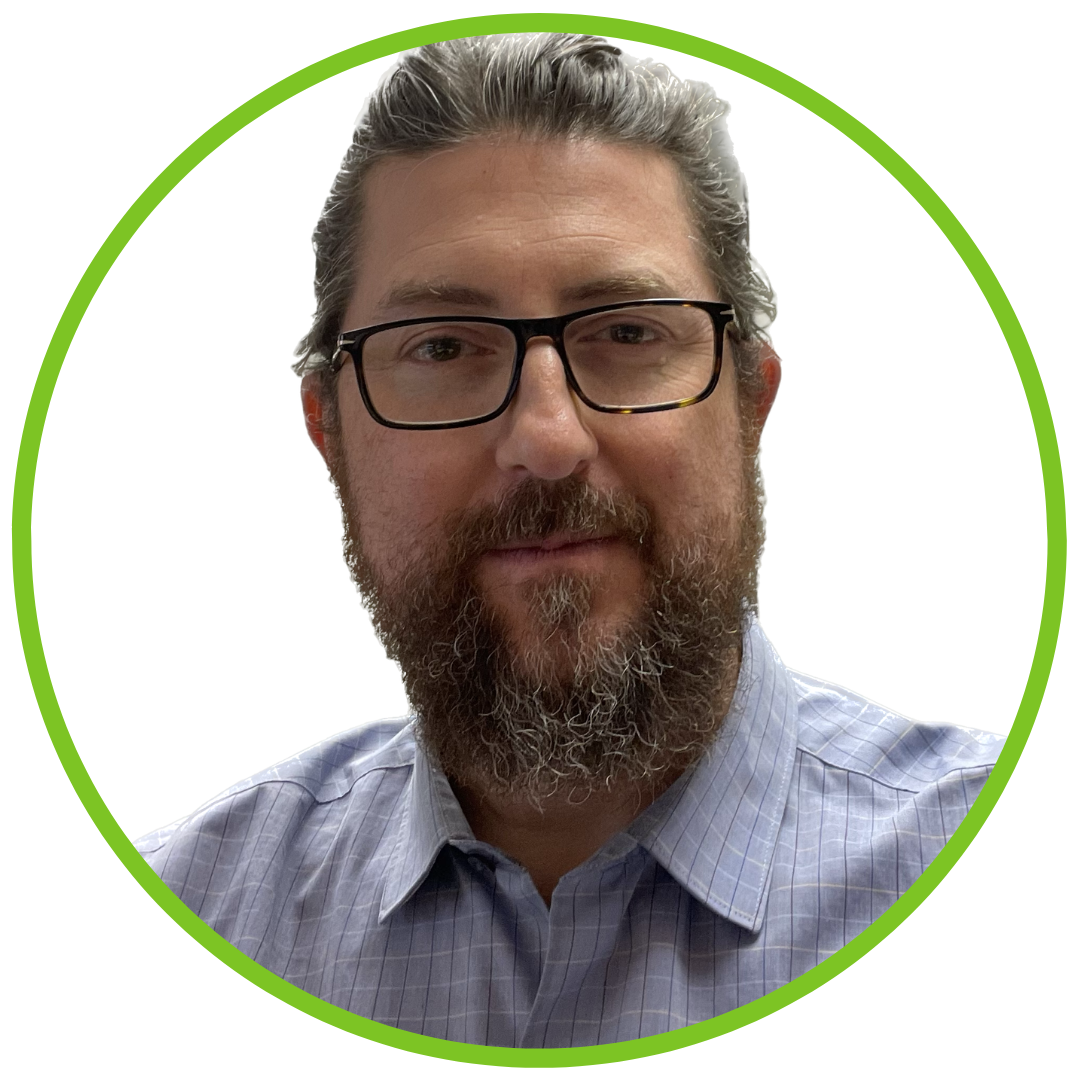 Dr. Adam Fleming is a staff hematologist-oncologist at McMaster Children’s Hospital in Hamilton, Ontario; an associate professor of pediatrics at McMaster University; and a member of the planning committee for the 2022 POGO Symposium.