My Fertility Journey
Author: Cassandra Watson
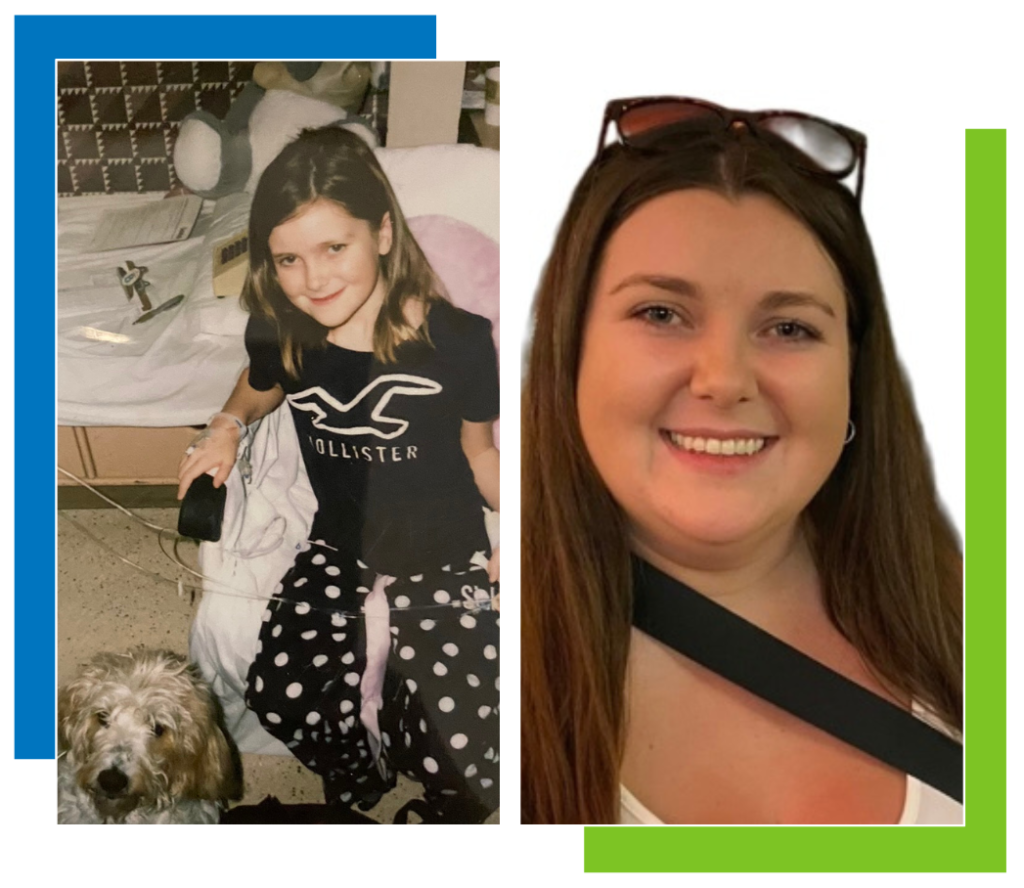
Living with a chronic condition can feel like riding a never-ending roller coaster—minus the fun parts, of course. My journey started with a spinal tumour diagnosis in 2009 (myxopapillary ependymoma, if you are into those fancy medical terms) which led to several surgeries and radiation therapy. Unfortunately, I ended up with chronic pain to manage, but I have to say these treatments made a significant difference. While this experience wasn’t exactly a walk in the park, it motivated me to advocate for others facing similar challenges, especially around fertility preservation. I’ll dive into that part soon!
Photo above: Left: Cassandra after first spinal surgery. Right: Cassandra now.
"Could my past medical experiences have an impact on my ability to have biological children in the future?"
Transitioning from pediatric to adult care has been quite a journey, and it is still challenging at times. I went from having a dedicated team supporting me in every aspect of my life to feeling like I was navigating my health on my own. I was familiar with Princess Margaret Cancer Centre from my radiation treatment, but the whole experience was pretty overwhelming. I made sure to ask my POGO Aftercare Clinic Nurse lots of questions, everything from learning how to check for lumps in my breasts? to understanding the potential impact of my past treatments on my body. One particularly important question I had was about my fertility: Could my past medical experiences have an impact on my ability to have biological children in the future?
That single question changed my life.

"The emotional toll is substantial, especially since, despite all my efforts, there is no guarantee of success."
Left photo: The daily medication injections for egg-freezing process
I learned that my AMH (anti-müllerian hormone) levels were low, indicating a low egg count, which led me to Mount Sinai Hospital’s fertility clinic. At 22 years old, the news that I didn't have much time was a shock. I had to weigh my options: have a child soon, freeze my eggs, or consider alternatives like egg donation or adoption. In the end, I chose egg freezing, which significantly shifted my life plans. The treatments were tough and the costs made things even more complicated. The emotional toll is substantial, especially since, despite all my efforts, there is no guarantee of success.
My radiation treatment affected my fertility, which is a topic that doesn't always get the attention it deserves. While fertility preservation is starting to come up more frequently in discussions with younger patients, it wasn't something that was brought up in my discussions with my health team. I feel this gap in communication and resources is an important issue that deserves more attention.
Navigating my fertility journey has been quite an eye-opening experience. It is understandable that when you’re focused on managing an illness, fertility can sometimes take a back seat. But for many, the ability to have children is a big deal. It can be frustrating to miss out on preservation opportunities simply because of a lack of information. It feels a lot like missing the boat. And who wants to miss the boat?
These experiences have inspired me to become a voice for others in similar situations. Advocacy goes beyond just pushing for medical advancements; it is also about making sure patients have the information and support they need to make informed choices about their futures. By sharing my story at events like the 2024 POGO AfterCare Education Day and through this article, I hope to encourage others to ask the right questions, seek the information they need and stand up for their own needs. If there is one lesson I have taken away, it is that you sometimes must be your own best advocate.
Recognizing that my experiences can help others has truly changed how I view my health challenges, seeing them not just as a burden, but as opportunities to make a positive impact in the community. Through advocacy, I aim to bridge the gaps in care and ensure that the next generation of patients has access to comprehensive support, particularly when it comes to fertility awareness. As I continue on this advocacy journey, I am genuinely excited to see what the future holds. My journey has shown me that while medical treatments are crucial, so is the support for the emotional and future aspects of life, like fertility. As health care continues to advance, let’s make sure to include these important conversations, making sure every child has the chance to lead a fulfilling life, both during and after treatment.

Creative Corner with Cartoonist Erica
Author: Erica DiVincenzo
Diagnosis: Ewing's Sarcoma (right arm).
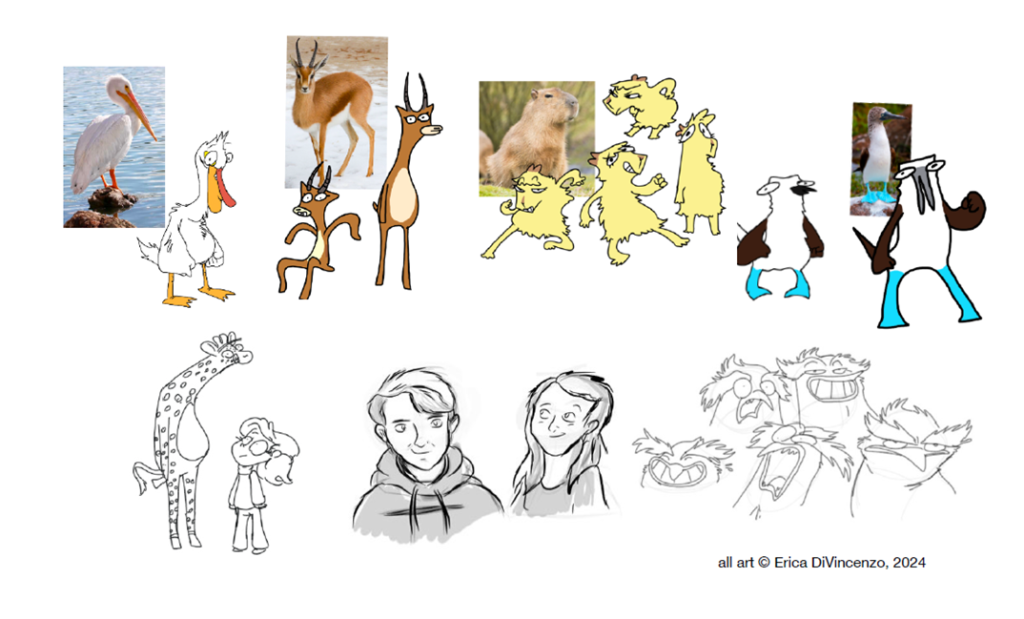
I am a cartoonist. This is how I see the world in my mind. This is how I see people and animals. As early as Kindergarten, almost any attempt I made at art appeared as cartoons. This tendency became more obvious when I was 7 and spent a year at McMaster Children’s Hospital for cancer treatment. To make the time pass, I would draw. Almost always cartoons. I am very thankful that the doctors saved my drawing arm, which had bone cancer in it. I am still making cartoons every day and finding unique ways to use them in my career as an artist. Cartoons bring a lot of humour and joy to life.
Navigating Ontario’s Accessibility Act as a Childhood Cancer Survivor
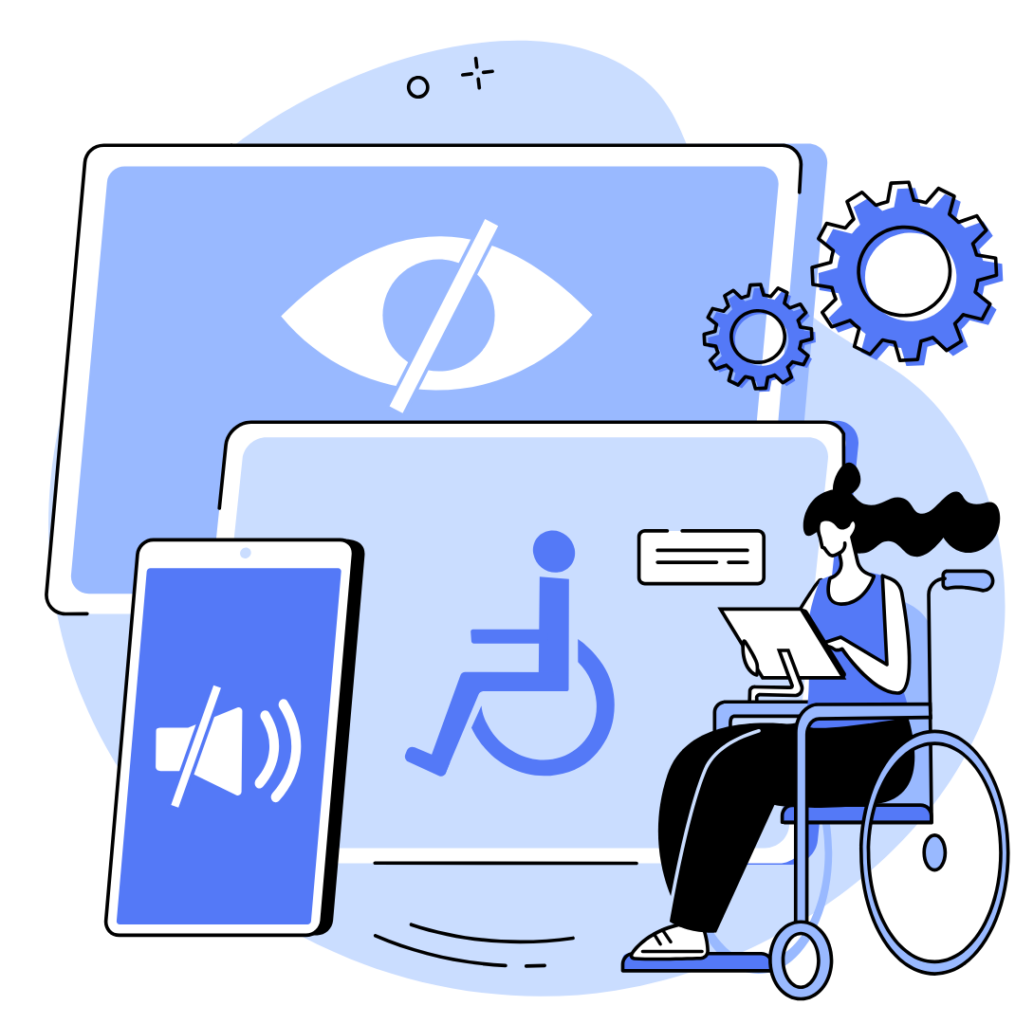
As a childhood cancer survivor, I often think about the distinction between being “disabled” and living with a disability. Personally, I see myself as someone with a disability rather than being defined by it. My own journey involves various ailments and impairments resulting from treatments, and while some of us might use assistive devices like hearing aids, canes, prosthetics, walkers, or wheelchairs, others face invisible disabilities.
Regardless of whether a disability is visible or not, many of us encounter significant barriers and discrimination in everyday life—be it in customer service, access to information, employment, transportation, or even within natural and constructed environments. Often, these barriers stem from a lack of adherence to The Accessibility for Ontarians with Disabilities Act (AODA) of 2005. It’s important to remember that it isn’t simply about visual appearance; a brief scan doesn’t ensure adherence to the "Customer Service Standard" of the legislation.
I’ve always had an interest in public transit, so, I’ll use that as an example:
Imagine a TTC driver shouting at you to “use the back door!” While it’s generally advisable for passengers to use the back door to facilitate smoother boarding, those with disabilities should have the option to use the front door if needed. Disabilities aren’t always visible, and drivers should be cautious not to judge based on the presence of assistive devices alone. After all, the devices are just tools; the person’s disability is what matters.
Our experiences with accessibility can vary widely, and I encourage you to reflect on your own encounters with barriers and challenges. If you’re not yet familiar with The Ontario Human Rights Code and The Accessibility for Ontarians with Disabilities Act, 2005, I strongly recommend taking the time to review these important pieces of legislation.
Not so Alone After all
Author: Sara Payne
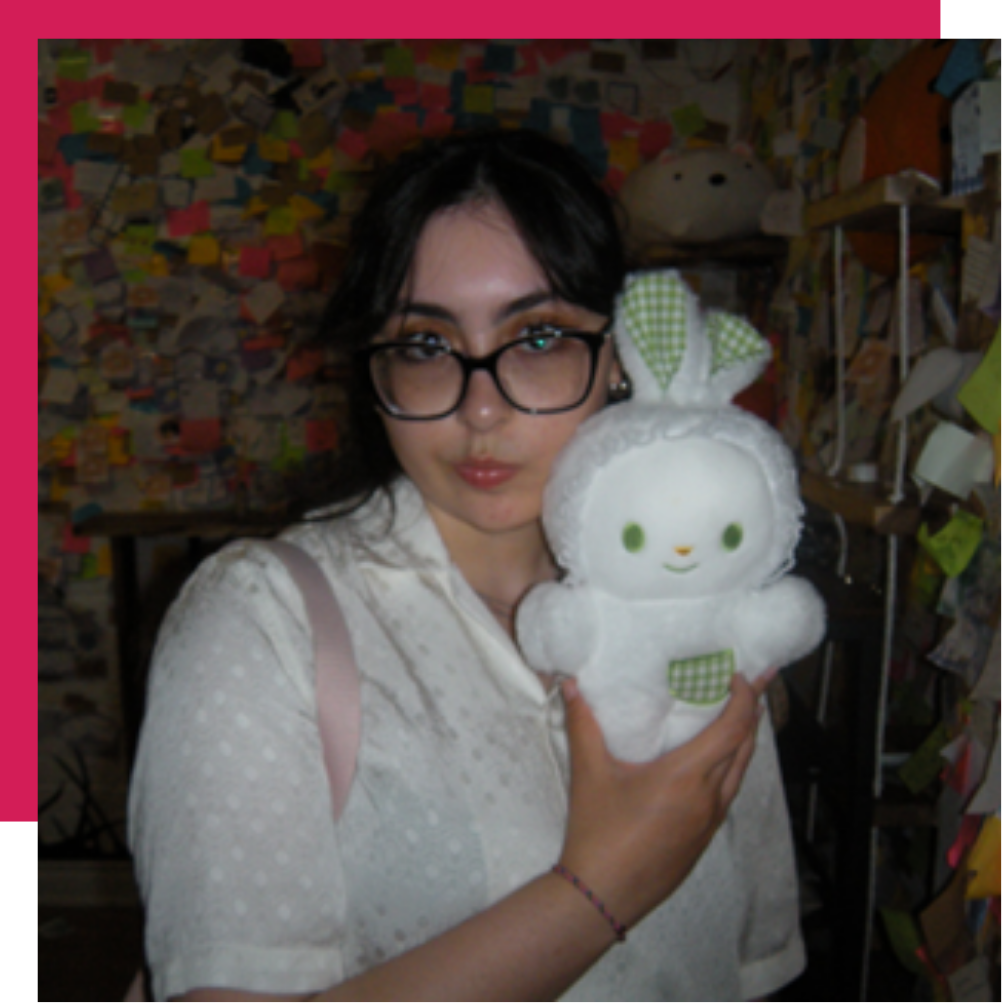
The future can be terrifying, but planning for mine gave me hope. When I got sick, I tried to take it one day at a time because I quickly learned how unpredictable life can be. However, I still planned for my future: graduate high school, go to college, become a paramedic and be happy. I never knew if I was going to achieve those things, but holding onto that picture in my mind helped me a lot.
When I was in hospital, anytime I felt like giving up I would look outside and see my future self in an ambulance, helping others. I was healthy and happy in my uniform. I would also envision myself in my future apartment, decorated the way I want it and my cat lying by the window enjoying some sun.
There have been times I thought I wasn’t going to be able to achieve my dream. But knowing how badly I wanted it to become a reality made me work that much harder. I wasn’t going to let cancer take this away from me. One of my favourite quotes is, “You want it because your future self already has it.” It gives me motivation to work hard and keep going.
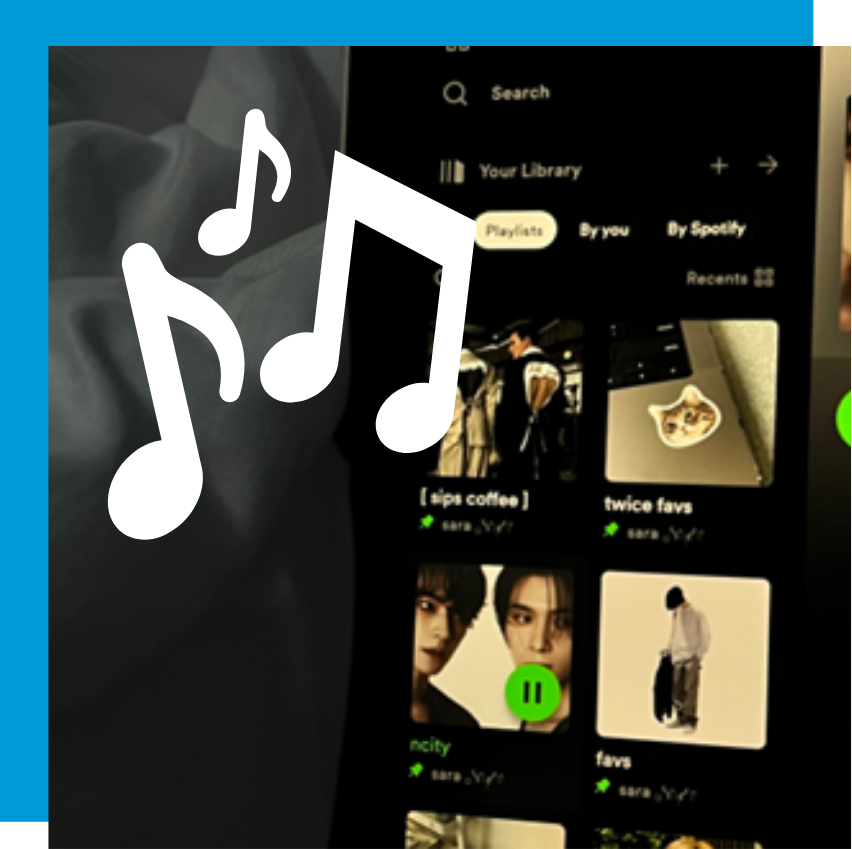
Music was another thing I held on to when I was sick. Music and lyrics are like a story that can be interpreted however you want and provide an escape. One song I regularly listen to nowadays is WITHOUT YOU by NCT U. It's about feeling alone and isolated, but it also shows that all it takes is one person to turn your life around and help you see better days. It makes me think of my friends who never left my side when I got sick and my mom who was with me 24/7.
I have a lot of good memories with my mom in the hospital. I also met some amazing people and even made some friends for life. Connecting with teens my age who went through the same thing I did and hearing their stories of survival helped me feel more at ease.
Regardless of what someone is dealing with, I think everyone has one thing they can hold on to even if they may not realize it. Maybe it’s a feeling, or a person or a small thing you do daily.
It can be hard to figure out what it is because our brain can get so filled with the stresses in life.
I think I’m now at a point where I’ve learned to enjoy my own company. I have a few solid friendships I wouldn’t trade for the world. I have good relationships with my cousins and even when I am physically alone, I don’t feel lonely.
Having cancer, and even being in remission, is such an isolating and lonely experience sometimes, but getting lost in daydreams about my future and listening to music makes me feel less lonely. I truly hope everyone has that one thing to comfort them and bring them joy, even if it's for just 10 minutes a day. I can’t say for sure things will get easier, but I think it’s still worth it.
Survive
Author: Kayla Russell
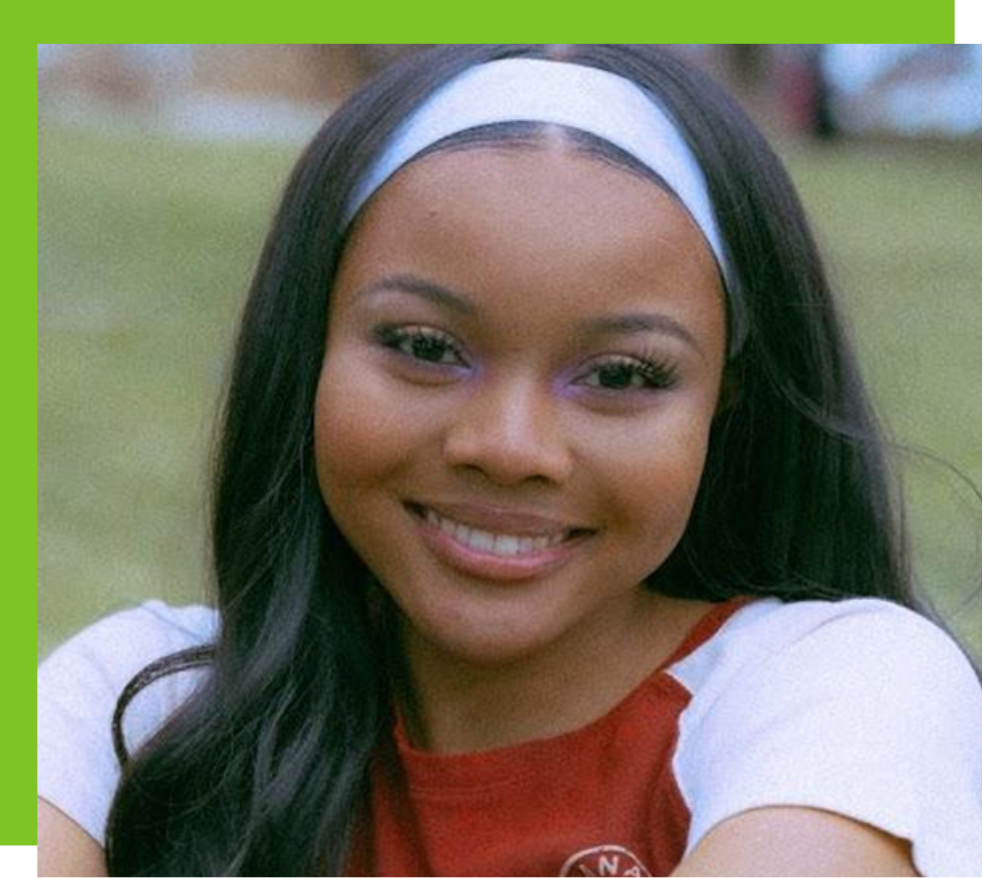
About myself: My name is Kayla Russell. I attend the University of Waterloo as an undergraduate student. I was diagnosed when I was 11 years old, and 2024 marks ten years cancer-free. I've always enjoyed writing and reading stories; I just can't get enough of them. I didn't always love poetry, though. I didn't start writing until a few years ago, and one of the things I wrote about was letting go of some pent-up feelings. Yet, the reason I will always continue to love poetry is because of the way we can relate to each other through our words. This is also the reason I wrote this piece, which was to show myself how I happened to think at the time. Nevertheless, I hope it is one that can be of some comfort to you.
"Survive, they said
But I’d rather stay in bed..."
Writing Process: I usually write my poems in a journal and then type them up on my computer just as a second copy or like an electronic diary, if you will. Sometimes I start writing something and then it ends up being completely different. A peaceful, cozy spot where I can curl up or sit comfortably is where I usually find myself writing. Writing is like my release. When I’m feeling sad or irritable, I write. I write to escape, or I write to find some answers. I started writing these poems to help create a safe space for myself to know that it’s okay to feel however I feel. Also to remind myself that there's no right or incorrect way to feel about what happened to me; it’s a journey.
Survive, they said
Survive, they said
But I’d rather stay in bed
All day long
Where my pillow
Sings sweet songs
Of rest here
But something inside me
Has a little more energy
Than I did yesterday
So, I make my way
Out of bed
And stand in front of the mirror
Surprisingly,
I don’t look as tired
But I'm worn out on the inside
Something inside of me
Says hide
But I wipe my tears
And walk away from the mirror
It will be okay
Tomorrow’s another day
Survive, they said
For every poison that wishes to
Kill me from the inside out
That is not the thing that will kill me
The cages of my mind with thoughts
That are locked behind
Bars, yelling the same thing
You’re not good enough
You will never survive this
They were right, you probably won’t make it
I am weak from the thoughts that drain the life
Out of me
Who is she?
Who is the one who’s done with life
Who is the one who doesn’t let strife
Come in between her and her dreams
Who will let me dream?
So, I have to take the prisoners
All of the emotions I’ve locked away
And say
It’s okay to feel
But I can’t complain
The comfortability from laying in a bed of fearTells me
Nothing can hurt me if I pretend it’s not real
I can just spiral in doubt
Until I fall asleep with the pain that
Lulls me away to the land of dreams
When I wake up, I know what they will say
Survive, they said
It’s only up
From here
Giants
You have beautifully risen
Despite all the bad
That has happened
Your triumph is a beanstalk
Reaching new heights
Tackling new giants
And still growing

Am I Still Dreaming?
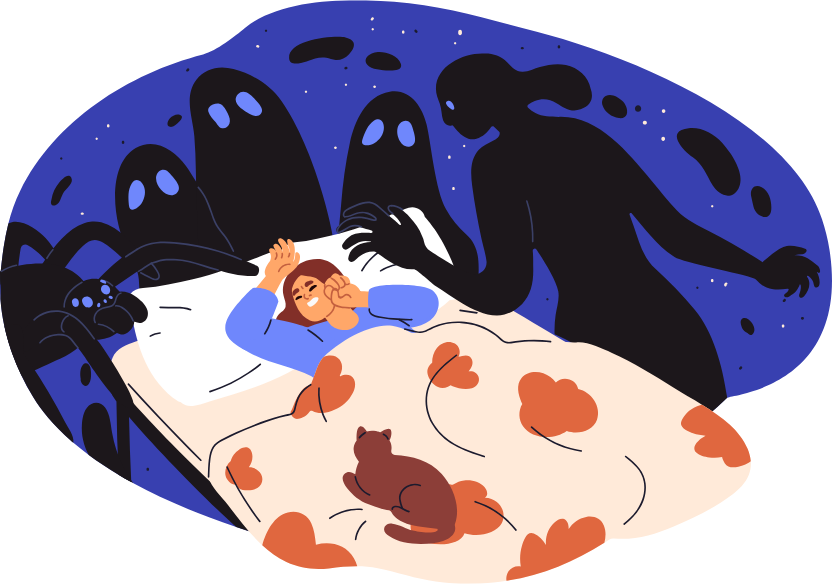
A very scary
Dream of mine
Is for all
My nightmares to come true
Is it bad that I wish to
See how strong I can be
To fight off all
That haunts me?
Volunteering: Apply for the Experience, Stay for the Benefits
There are so many benefits to volunteering!
Whether it’s delivering meals to seniors or walking shelter dogs, being a peer mentor or being part of a team organizing an event, when you volunteer, you connect with others and you often see that you’re making a positive difference in their lives or in the community. So, it’s no surprise that volunteering can have both physical and mental health benefits. Research has shown that adults with disabilities or chronic health conditions who volunteer often see an improvement in their pain levels. Volunteering can also reduce stress, anxiety and depression.
Volunteer for One Day or More – The Choice is Yours!
Volunteering also provides a great opportunity to test different educational or career paths. Whether you have a job in mind, or are unsure what field interests you, volunteering allows you to look for opportunities that require various levels of commitment. It might be a one-day event, a two-week long project, twice a month for a year, or other…you have the flexibility to decide what to pursue based on your capabilities and time availability.
Add Volunteer Experience to Your Resumé
If you’re also looking for paid employment, there are ways that you can use your volunteer experience to help get a job. As a volunteer, you might be on the organization’s email list where job postings are sent out. You can also develop internal workplace connections to ask about open or upcoming positions, and a recommendation. References are often required when applying for jobs, so having someone that can speak directly to skills you have demonstrated is incredibly valuable. Adding volunteer experience and the skills you have developed from it to your resumé will help with your application to other jobs!
Seek Accommodations as Needed
If you have a disability and/or need accommodations, you can still volunteer! Read the volunteer posting carefully to see what you are expected to do in the role. If you need support with any of the job requirements, you can start a conversation about this when going through the application process.
It can be intimidating to bring up a need for accommodations, but if you feel passionate about a position, do not let that be a barrier. Remember that you are entitled to ask for accommodations and many community agencies that hire volunteers are eager to provide these if possible. You are the expert in this situation, so be prepared to explain what accommodations would be most beneficial to you. Remember, you do not have to disclose a diagnosis or any medical information if you don’t want to.
As you can see, while you’re helping others, there’s a lot you can get in return. So, consider getting out there to volunteer!
Need help with applying to a volunteer position? Contact your POGO School and Work Transitions Counsellor so they can help you prepare for the volunteer experience.

*This article was adapted from the S2S Network presentation “Volunteerism: Empowering Yourself and Others” by childhood cancer survivor Payton Tenebaum. Information about this year’s S2S Network presentations is coming soon!
Successful Employment Through Targeted Hiring: A Survivor Experience
What is Targeted Hiring?
Targeted hiring is a type of initiative used by public and private organizations to address employment barriers and help with the under-representation of designated groups to achieve equal employment opportunities. This is accomplished by narrowing the pool of candidates to specific categories of candidates, such as individuals with disabilities.
Q & A With a POGO School and Work Transitions Client
Q: What can you tell me about your recent interview where you were successful in being hired?
Client: I interviewed over the phone, which was nice as travelling can be difficult for me due to my disability. The questions were pretty much what I prepared for because my counsellor and I went through common interview questions and practiced them together over Zoom. We also discussed scenarios and did some mock interview style discussion. Because of this, I was able to answer the real interview questions with confidence.
Plus, the interviewers were very informative about what to expect on an average day.
Q: How is your employer being accommodating to you as a person with a disability in the workplace?
Client: The general attitude of my workplace is genuinely team-oriented! I was asked if I needed a chair, and from day one, I have been greatly encouraged to ask for help. There's even mental health support, which is quite a relief.
Q: Was your POGO Counsellor a resource in this process? If so, how did they help?
Client: My counsellor was very helpful during the whole process. Finding this job and ensuring my resume was in good shape, practicing for the interview, and ensuring I got placed at a store location I preferred is honestly going above and beyond.
Graduation Coach for Black Students Promotes more than Academic Success
POGO Counsellors strive for excellence in providing culturally-aware support to the diverse group of survivors we work with. Every February we celebrate Black History Month, which gives us an additional opportunity to learn about and reflect on Black culture and apply what we have learned to our work with students. A resource we want to bring attention to this year is the Graduation Coach for Black Students (GCBS) program through an interview with POGO Transitions manager Barb Williams and Ms. Breanna Phillip (Coach Bre), a passionate and inspiring coach in the Halton District School Board.

Barb: Why did the Ministry of Education create the Graduation Coach for Black Students program?
Coach Bre: The Ministry of Education created the role based on data showing that Black students did not feel safe in schools and were not seeing themselves represented either through the presence of Black people in schools or in the school curriculum. Students are experiencing anti-Black racism from staff and peers in an educational system founded on a history of oppression and are not getting appropriate support from staff when these incidents are reported.
Barb: What is your role as a Graduation Coach for Black Students and how long have you been a coach?
Coach Bre: Coaches support Black students and families in navigating their educational experiences and ensure that they are given the tools and circumstances to thrive in the school system. While we offer direct support to students, another significant part of our role is working with school staff to increase their knowledge and understanding of the impacts of anti-Black racism on the educational experiences of Black students. We also hold staff and faculty accountable for ensuring safe and inclusive educational spaces for Black students. Additionally, we aim to support and advocate for parents of Black students, who also face the exact oppression, racism and alienation that their children experience.
The Halton District School Board has a multi-year strategic plan which includes tenets of equity & inclusion and mental health & well-being. The GCBS program offers services, initiatives and programming that foster equity and inclusion for Black students. Coaches also recognize the experience of anti-Black racism can be extremely traumatizing and directly impacts the mental well-being of Black students, so this program is in line with that component of the multi-year plan as well.
The GCBS program will have been at the Halton District School Board for one year as of April 2023, but has been at other school boards since 2020. I started in this role when the Halton District School Board program began.
Barb: Tell us about a particular moment, outcome or activity you are most proud of in your time as a coach.
Coach Bre: There are many, but one I’m most proud of is the outcome of an affinity space in one of the five schools we work at. An affinity space is essentially a classroom that the Black students can make their own by decorating with visual representations of Blackness, for example. An affinity room is designed to be both a place of belonging and a space that belongs to Black students. However, in this instance, when the students were not in the affinity room, the area was used by non-Black identifying school staff for other purposes. Students said they felt that “teachers were using a master key to break into their space” and were uncomfortable with this. I arranged a meeting with the vice-principal and the students. The students unapologetically articulated that this was their space and did not want other people coming into it. I was so proud of how the students demonstrated their rights and ability to stand up for themselves and their needs. As a result, an agreement was made that the lock to the classroom would be changed, and the students now have a safe and secure space that is truly their own.
Barb: What has it meant to the Black students to have you as a resource?
Coach Bre: I will start my answer with a quote from a student who, when asked about having access to an affinity space, referred to it as “an oasis.” She went on to express that when Black students enter the room, nothing out there matters anymore.
The program allows for a space for students to simply be. When moving through very white spaces as a Black individual, there is a lot of performing that has to happen, and that gets exhausting. With the coaches, students get to just be themselves, and that’s more than enough. Additionally, students have the space to speak out about experiences that have various nuances due to their identity, and they have the safety of knowing I will understand without them having to over-explain. This is not likely an opportunity they have had before.
Additionally, this program ensures that Black student voices are brought to tables where their voices have historically been missing. A Black-identifying staff member sitting at decision-making tables can significantly change a Black student’s educational experience trajectory.
The program also allows Black students to build community and social capital by meeting one another, whereas, historically, Black students have not had the opportunity or space to connect or know each other.
Barb: What does it mean to your education colleagues to have you as a resource?
Coach Bre: Just as with anything else, some people struggle with change, which has been evident. However, others are amazing, excited and open to learning and being held accountable; they know they have caused harm and want to know how to stop causing harm. I am also proud to have been recognized as a recipient of an Inspire Award from the Halton District School Board by the vice-principal of one of the schools where I work.
Barb: How does your presence benefit Black students and the Black student community?
Coach Bre: Number one would be representation. When I went to high school, there were no Black staff at all. If there are Black staff at schools now, the majority are not in higher-ranking positions. They are not at tables of “power” where big decisions are being made. I am at those tables. It has been encouraging for Black students to see and know I am at these tables and realize that sitting at them is achievable and they can do it too.
Barb: How can Black students find a coach at their schools, or can you offer any advice on how students can advocate for adding a GCBS at their school if one does not exist?
Coach Bre: In Halton, although Graduation Coaches are only assigned to five of the many high schools, Black students in schools that don’t have a designated coach can reach out to coaches from schools that do, and we try our best to address their needs. Before the program expands to a school, we have staff on our Human Rights and Equity team that speak with administrators to determine site preparedness for the program. We want to be sure that there is pre-work being done by the school and that they are demonstrating their readiness for the Graduation Coach for Black Students program. We want to ensure that accountability is not placed on the program but that school leaders are held accountable for ensuring that Black students have positive experiences in educational spaces.
Barb: What can POGO Counsellors do to ensure that we provide equitable, safe and informed counselling/guidance to our Black student survivors?
Coach Bre: It is important that as POGO Counsellors you recognize oppression exists not only in school systems but in the medical system. You can best support Black students by understanding how oppression has worked against them, for example, within the processes that have historically excluded their cultural context. Remain curious about culture and, in this case, what is important in Black cultures. For example, in Black culture, community inclusion is often missed as desirable when people in the helping profession lack cultural experience and have been educated in a manner that promotes individualism. Severing the tie between child and parent is one of the historical elements of oppression. It breeds mistrust. So even when working with a student over 18, be conscious of this and consider how to navigate the situation from a place of cultural humility.
Barb: Is there anything else you want people to know about GCBS?
Coach Bre: The title can confuse some people, because we correlate graduation and educational success with academics. People might think that we only work with students in Grades 11 and 12, preparing them for graduating high school. In fact, it takes more than grades for a student to complete their formal educational journey well. We don’t only want our students to finish well academically; we also want them to finish well emotionally, mentally and socially.
When a Graduation Coach for Black Students sits in on school meetings with or about a student, we are the ones who are often able to see the nuances in a student’s situation through the cultural lens because of where we sit in our identity. We bring the lens that has been missing for far too long.
Author’s Note: To find out more about the Graduation Coach for Black Students program, please visit the Ontario Government website

Manager, POGO Transitions Program
Happy Days Again: My Post-Treatment Cancer Journey

Ella Gwendolyn Jeffery
The first time I had a dressing change, I cried over what my life had become. Three weeks earlier I was healthy and doing all the things an 11-year-old should do—running, climbing, and swimming. Here I was now: fighting a disease that I knew nothing about, except for the fact that it ruins lives. It was ruining mine.
A nurse tried to comfort me by saying, “When this is all over, you’re going to be happy and healthy, and nothing’s going to ever bother you again!” I believed her wholeheartedly; I couldn’t bear to think of any other outcome.
My leukemia did go into remission; the bone marrow transplant cured me of my cancer for good, and I became healthy again. Achieving happiness was a different story.
I returned to school full-time, less than a year after my diagnosis. School was what I had missed most during treatment, and I was expecting it to be fun. But on the first day of grade seven, I found myself in the bathroom having a panic attack. I was worried about germs and all the things that could make me sick. I was scared that my immune system wouldn’t be able to handle it.
Then there were my classmates. They had changed so much during the year I was away. I suppose I looked different too, but the difference in them seemed so sudden and was scary.
Some days I would be in a fog, remembering physical sensations of the pain I endured and fearing it would return. By mid-week I was overwhelmed and exhausted. I started faking being sick to get out of school early. My mother wasn’t fooled, but she didn’t say anything because she knew I was struggling—not physically or academically, but mentally. My world had almost ended, but I was expected to act like it had just kept turning.
That first year back at school, I began counselling with a wonderful therapist at Oakville Trafalgar Memorial Hospital. It took dozens of sessions before I was even able to talk about my leukemia diagnosis, but my therapist remained patient until the day I was able to say, “On October 18th, 2014, I was diagnosed with cancer.” I was challenged to go through these memories, write them all out, and say to myself, “I was diagnosed with cancer, but it’s gone now. I won.”
When I was asked to write this story about a pivotal moment in my cancer journey, I wondered if it would count to write about the recovery after treatment. But then I realized, a huge portion of recovering from a traumatic event is the mental health process; accepting what has happened to you, and knowing that while your life has changed forever, you can still make happy, timeless memories.
In my opinion, the key to recovering mentally from an event like childhood cancer is to acknowledge what happened, express it in any way that you see fit, and then remind yourself of how hard you fought to beat the illness. After that first writing challenge in therapy, I began to write out every detail I remembered from treatment—thoughts, physical feelings, and descriptions all went into a series of journals. Even my memories of what I was wearing on a given day went into my writing! And, over this period, my fog went away. It took years, but more and more I was able to live in the moment with my friends and family, rather than being stuck remembering pain from the past. School became less of a trial and more of a pleasure.
Now I am in classes at my dream university, and I love the life I have created. There are still days where I feel sad about what happened to me. I don’t think you should come out of cancer thinking that nothing’s ever going to bother you again, but I do know that over time, things get better. To every childhood cancer warrior out there, know that you are strong in your battle, happy times do come, and no matter what, every day you are winning your fight!
At the time of writing, Ella Jeffrey was a client in the POGO Transitions Program. With the support of her POGO Counsellor, Ella achieved her goals! (January 2023)
Last updated: June 2024
Music heals and can change your life
Ten years ago, I was diagnosed with a papillary brain tumour of the pineal region. I went through three surgeries, a lumbar puncture and thirty treatments of radiation at CHEO and SickKids. I am 21 now.
Since I was young, music has been important in my life. When I was in the hospital for cancer treatment, I would associate different doctors, nurses and family members with songs. I also sang to help me through tough times. In fact, when I woke from the third surgery, my family and doctors were surprised to find me singing!
And it’s not just me. Neurological researchers have found that music reduces the stress hormone cortisol. It releases dopamine and serotonin into the brain, helping you relax and stay focused. And it stimulates oxytocin—a hormone related to positive, happy feelings. Studies have also shown that music can help people process their feelings and change their mood completely.
Try it yourself! When someone you know is in a bad mood, try playing one of their favourite songs to see how they react. It might seem like a small thing, but as mentioned above, music can improve your mood and your whole outlook.
Written by Ariane Delorme
Mon nom c’est Ariane Delorme et dix ans passés, j’ai été diagnostiqué avec une tumeur cérébrale papillaire de la région pinéale. J’ai dû subir trois chirurgies majeures, une ponction lombaire, et trente traitements de radiations à CHEO et à Sick Kids. J’ai vingt et un maintenant.
Depuis un jeune âge, la musique est devenu très importante pour ma vie. Lorsque je me retrouvais à l’hôpital pour mes traitements, j’associais des chansons aux docteurs, infirmières et membres de ma famille. Je chantais aussi pour m’aider à passer au travers des temps difficiles. Je me suis même réveillé de la troisième chirurgie en chantant! Ceci a laissé mes docteurs ainsi que ma famille surpris.
Ce n’est pas seulement moi. Les recherches en neurologie ont découvert que la musique réduit le cortisol, qui est un hormone de stress. Ça relâche la dopamine et la sérotonine dans le cerveau, qui aident à se détendre et rester concentrer. Ça stimule aussi l'ocytocine. Une hormone reliée aux pensées et sentiments positifs. Les études ont aussi montré que la musique peut changer l'humeur complètement des gens.
Essaie toi-même! Lorsque quelqu’un vous connaissez est pas dans la meilleure humeur, essais de jouer l’une de leurs chansons préféré pour voir comment ils réagissent. Ça semble peut-être comme rien, mais comme mentionné ci-dessus, la musique peut améliorer votre humeur et votre perspective.
Écrit par Ariane Delorme