Caring for the Whole Family: Financial Challenges in Pediatric Oncology
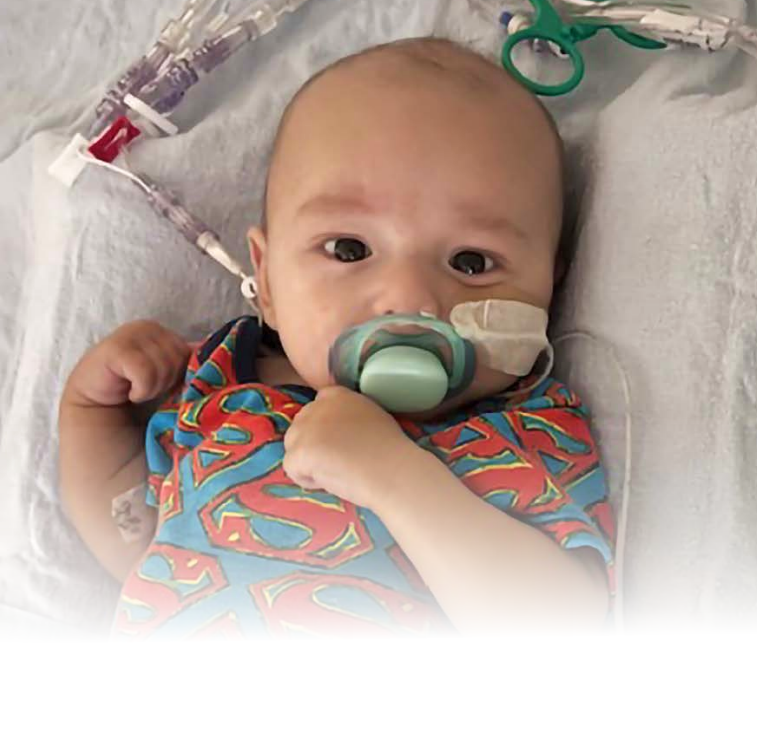
 When a child is diagnosed with cancer, a family’s life is turned upside down. The emotional impact is profound, and for some families, the financial toll can be equally overwhelming. Families often face reduced household income; either because a caregiver must take a leave from work, or reduce work hours, while simultaneously managing significant out-of-pocket costs related to treatment. These costs can include medications not fully covered by insurance; over-the-counter medications; travel expenses; parking fees; meals and accommodation, especially when treatment requires travelling far from home. Rising expenses for essentials such as gas, groceries, and daily living necessities only add to this strain, making it increasingly difficult for families to manage the financial impact of cancer treatment.
Pediatric oncology nurses are often entrusted with the stories of families facing significant challenges throughout their child’s treatment, including financial difficulties. It is essential to be well informed about the resources available to support these families to know how to guide them to the appropriate services that can help alleviate their financial burdens. By doing so, it ensures comprehensive care, addressing not only the medical needs but also the emotional and financial well-being of the family.
In Ontario, private and provincial financial assistance programs play a vital role in reducing this burden, allowing families to focus on their child’s care rather than financial stress. Many of these programs are income-based, ensuring those with the greatest financial need receive the support required. A patient’s social worker and POGO Interlink Nurse work closely with families to assess their financial needs throughout treatment and identify which programs are available and most appropriate.

While available financial resources can vary between hospitals and geographic regions, the POGO Financial Assistance Program provides support to every family experiencing childhood cancer across Ontario, regardless of income. The program offers financial relief by reimbursing some of the costs incurred as a result of a child’s cancer treatment. Even with these programs, some families still face substantial financial challenges, especially when treatment involves frequent travel or extended hospital stays.
Many of these financial relief programs for families are accessible during a child’s active treatment, but for some families, the need for financial support does not end when treatment is complete. Funding for families who require access to rehabilitative services post-treatment highlights a current gap in financial support available in Ontario.
Continued financial relief after treatment is critical in ensuring families can access essential rehabilitative care or recover from the significant impact of a cancer diagnosis on their financial situation. Having the knowledge about what supports exist, and who to refer to for further guidance, can be an essential part of supporting children living with and beyond cancer, and their families.
In addition to hospital and provincially-supported programs, families may benefit from the following financial resources:
- Childhood Cancer Canada – The Emergency Fund
- Ontario Parents Advocating for Children with Cancer
- Kindred Foundation – Family Support
- Shine Through the Rain – The Rainy Day Fund
Families are also encouraged to check with their hospital foundation, as many offer patient and family support programs that may help offset treatment‑related expenses.
Please note that availability may vary by institution and region. Be sure to check whether your organization is affiliated with these or other community partners that provide financial support to families.
This story was written for the spring 2026 issue of The RePORTer, POGO’s Nursing Newsletter, by McMaster Children’s Hospital Interlink Nurses, Briar O’Neil, RN, BScN, and Emily White, RN, BScN.


2024 POGO Symposium Speakers Share Insights from their Sessions
The 2024 POGO Multidisciplinary Symposium on Childhood Cancer headed to Niagara-on-the-Lake, where Ontario’s pediatric oncology community, which included representatives from POGO partner hospitals, gathered to learn, collaborate and connect.
Over 15 healthcare professionals across various disciplines presented on a range of topics. Here are some session recaps.
Ceilidh Eaton Russell from McMaster University spoke about “good parenting” when a child is seriously ill, sharing insights from oncology parents to offer practical strategies to support families affected by childhood cancer.
Dr. Nicole Culos-Reed from the University of Calgary focused on the important role of nutrition and exercise throughout a child’s cancer treatment.
Dr. Theodore Laetsch from Children’s Hospital of Philadelphia addressed recent successes in developing new treatments for pediatric solid tumours and their profound impact on patient care.
Chantal St. Jules from The Hospital for Sick Children discussed the unique experiences of autistic children and youth with cancer, providing strategies to incorporate trauma-based and developmental supports into their care.
Dr. David Teachey from Children’s Hospital of Philadelphia highlighted new therapies and immunotherapies to improve outcomes for children with acute lymphoblastic leukemia.
Dr. Jennifer Seelisch from London Health Sciences Centre (LHSC) delved into the exploration and utilization of immuno-oncology therapy to treat Hodgkin Lymphoma and the potential to reduce the use of standard chemotherapy and radiation and their late effects.
Dr. Joerg Krueger from The Hospital for Sick Children talked about the challenges of access to cellular therapies and the initiatives to ensure that children in Canada have access to them in the future.

Culturally Competent Healthcare Focus of New Pediatric Oncology Course
 POGO works to provide the best care possible for all of Ontario’s children with cancer, in part, by identifying gaps in childhood cancer care. In recent years, a POGO priority has been to focus efforts on enhancing culturally relevant care for Indigenous children, as Indigenous families often face barriers to culturally appropriate healthcare.
POGO’s focus has been on building relationships, identifying current opportunities to improve the care of Indigenous children with cancer as well as opportunities that might result in a more efficient system, and assembling the expertise needed to assess the issues, gaps and advances anticipated.
In 2017, POGO collaborated with Cancer Care Ontario to launch Pediatric Oncology, a new course in the recently refreshed series of Indigenous Relationship and Cultural Awareness courses offered by Cancer Care Ontario. These courses provide frontline healthcare professionals with knowledge about the history and culture of First Nations, Inuit and Métis people and communities and guidance on how to provide culturally appropriate, person-centred care.
POGO and Cancer Care Ontario know that cultural safety is a critical component for improving patient experiences and outcomes. Through video and text, the Pediatric Oncology course examines the differences between childhood and adult cancer, one family’s experience of the journey for Indigenous children with cancer, and the role POGO plays in helping to navigate this journey with a unique whole-life approach to childhood cancer care told from the frontline experience of a POGO Interlink Community Cancer Nurse.
The 13 Indigenous Relationship and Cultural Awareness courses are ideal for healthcare providers, those working with Indigenous people, and anyone who wants to better understand Indigenous history and culture. The courses are interactive, free of change and open to anyone. Each course in the Self-Learning program has been certified by the College of Family Physicians of Canada for Mainpro+ credits.
Indigenous Relationship and Cultural Awareness Courses
Watch the video featured in Pediatric Oncology