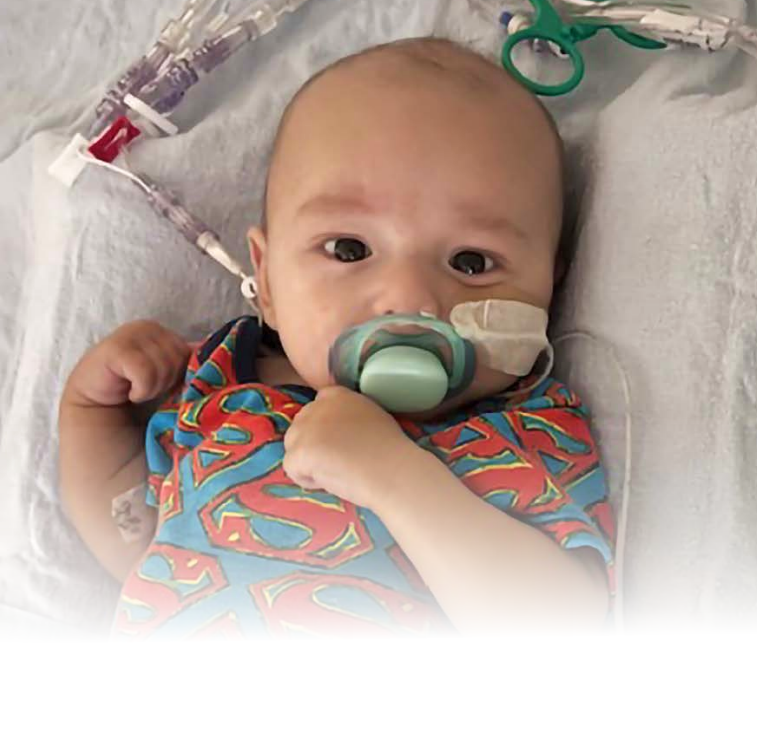
A month after celebrating my 13th birthday, a tumour was found on my left femur and I was diagnosed with osteosarcoma.
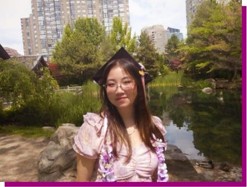 It felt surreal; the semester was just beginning, and it was supposed to be my last year in middle school, a year I would spend with all my friends. Instead, I found myself in the hospital, isolated and lonely, as many of the COVID-19 precautions were still in effect.
I relied on art to keep myself occupied during treatment. I channelled my energy into creative endeavours, which focused my mind and helped me connect with my medical team. It was emotionally healing to have an outlet during that time.
Things took a turn when I was told I had two options: amputate to ensure the tumour would be completely removed or keep my leg with no guarantee I would recover cancer-free. I struggled immensely with deciding whether this method of surgery was the right choice.
I chose to amputate.
Five years later, I still struggle with the after effects of my choice.
As a highly visual person and an artist, I naturally evaluate what I see, including how I see myself.
My passion is rooted in visual feedback, and my disability has permanently changed how my body looks. I am reminded of this daily: when I put on my prosthetic leg, when I catch my reflection and when I notice that my gait is slightly different. Because of this, I avoided wearing clothing that would reveal my prosthetic in public.
A key form of self-expression—how I dress—was shaped by insecurity.
While participating in a research study for prosthetic users, I noticed that someone’s device looked remarkably realistic. I later learned that they had a cover made to wrap around the prosthetic, making it look like a real leg.
Despite having long come to terms with my disability, I realized I still longed for something that would help me reconnect with my sense of self. When I contacted my prosthetist, I was told that, due to its atypical structure, my prosthetic had limited standard design options.
Rather than settling for this answer, I turned to my strength: art.
My disability doesn’t hinder my ability to create art. I designed my own prosthetic cover, inspired by aesthetic designs I had seen online but adapted to reflect my personal style. I incorporated unique colours and a three-dimensional element not typically used. While I was unsure if my design could be realized, the final product matched my vision exactly.
Art has always been a part of my life, through thick and thin. By using my creative talents, I have found a path to inspire my recovery process.
It’s no longer a cover used to hide my prosthetic; it is a way to express myself creatively despite the unfortunate circumstances.
I’ve felt much more comfortable in my own body and about sharing my disability with my peers since donning the prosthetic cover. It’s an opportunity to showcase my artistic achievement, rather than share a medical detail that makes me different from others.
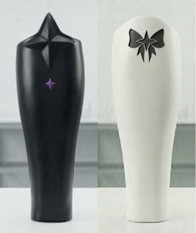
I am proud of myself for pushing myself to create my own design when I could have settled for a premade cover. This experience reassured me that pursuing a post-secondary career in the arts was the right choice. I will continue finding ways to use the visual arts to help myself, and other patients, as I continue my artistic journey at Sheridan College in the fall.
Author: Ashley Zheng
Diagnosis: Osteosarcoma (at age 13)
This story was written by a childhood cancer survivor for the fall 2026 issue of empowerMEnt, the POGO School and Work Transitions Program newsletter.