Why Symptom Screening Matters in Childhood Cancer Care
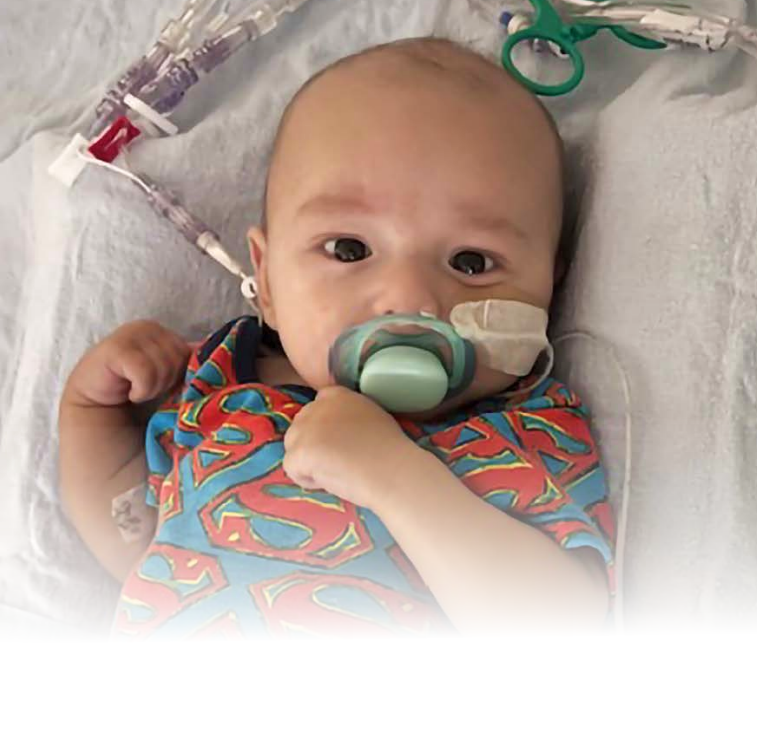
Cancer and its treatment are hard on children and adolescents, and the symptoms that come with it, such as nausea, pain, fatigue, and anxiety, can be frequent, unpredictable, and severe. When those symptoms go unnoticed or unreported, children suffer.
POGO is leading the implementation of the Symptom Screening in Pediatrics (SSPedi) tool across Ontario and advancing a new standard of supportive care for children with cancer. This coordinated, system-wide approach to symptom monitoring centres the child’s voice in care.
SSPedi is a validated 15-item tool that allows children and adolescents to routinely report their symptoms from hospital or home. With SSPedi, patients can flag symptoms that bother them, such as mouth sores or vomiting. By including patient-reported outcomes into everyday practice, POGO is helping to ensure symptoms are identified and addressed in a timely way.
Evidence shows this approach leads to better symptom control and improved quality of life.
How SSPedi Supports Care
- Enables real-time symptom reporting through digital programs SPARK and Epic
- Supports timely identification of symptoms
- Complements POGO’s evidence-based care pathways for symptom management
Impact Across Ontario
POGO’s leadership in implementing SSPedi is building a foundation for:
- Standardized data collection
- System-wide benchmarking
- Continuous quality improvement
Together, these efforts are helping reduce symptom burden and improve quality of life for children and adolescents with cancer.
POGO's History in Symptom Screening
- 2026 – POGO publishes a report on provincial implementation of SSPedi for symptom screening: Scaling up symptom screening for routine use in pediatric oncology: provincial implementation, available in Supportive Care in Cancer).
- 2026 – POGO and partners establish minimum requirements for how SSPedi should be used across Ontario hospitals treating children with cancer.
- 2026 – A POGO Project Grant supports the establishment of routine symptom screening across Ontario.
- 2023–2024 – A POGO Silva Legacy Grant supports the development of scalable ways to measure guideline-consistent supportive care delivery using electronic health data.
- 2019 – POGO funding supports development of new versions of SSPedi, including a version for caregivers (proxy-report) and for children aged 4 to less than 8 years (mini-SSPedi).
- 2012 – The POGO Research Unit provides a seed grant to Dr. Lillian Sung and Dr. Lee Dupuis to begin developing SSPedi to help track symptoms in children 8 to 18 years old.
- 2010 – POGO launches the Supportive Care Guidelines and Implementation Program to ensure all children and youth with cancer in Ontario receive high-quality, evidence-based supportive care.
- Early 2000s – POGO makes supportive care a key focus in caring for children with cancer.