From Urgent Questions to Lasting Pathways: Fertility Care at SickKids
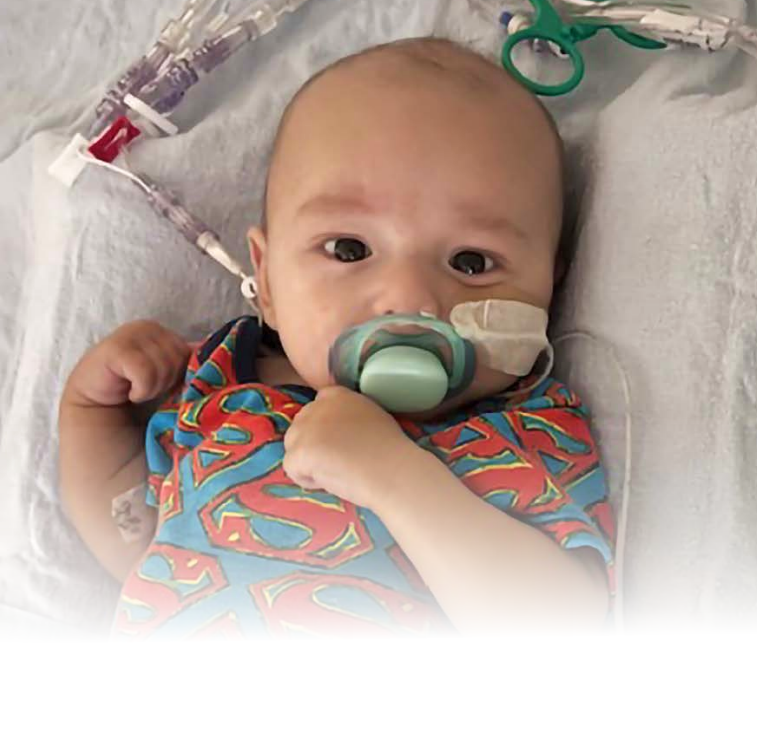
For many children and adolescents with cancer, treatment is lifesaving. But these treatments can also impact something deeply personal — their future fertility and the potential for biological children. For years, nurses have heard similar questions from patients and families:
Will I be able to have children one day? Are there options? What are those options? Is it too late?
Without clear pathways, these questions were often left unanswered, and solutions were not always available. The need was clear: fertility preservation had to become timely, equitable, and normalized within pediatric oncology care.

In 2024, SickKids took a significant step forward by building a formal Fertility Preservation Program. The goal was to create an interdisciplinary, sustainable care pathway that facilitated standardized and timely access to fertility preservation for patients across varied diagnoses, ages, and urgency levels. Over 60 clinicians across disciplines — nursing, oncology, hematology, gynecology, endocrinology, pathology, urology, fertility specialists, informatics, social work, education, implementation science, and survivorship — with patient and parent partners, joined focused working groups to design care pathways that made sense in clinical settings. The group created detailed workflows to address referral processes, urgent and non‑urgent pathways, education, and survivorship considerations. Pathways for ovarian tissue cryopreservation (OTC), egg freezing, sperm banking, electroejaculation, and testicular sperm extraction (TESE) were clearly defined and implemented as standard of care.
The Nursing Role in Fertility Preservation
Nursing has been central to this work. In the first days of a new cancer diagnosis, nurses are consistently present at the bedside, making them instrumental in fertility pathways. Education and normalization were key early priorities. By equipping nurses with language, resources, and straightforward flow charts, the aim was to make these conversations informative and less uncomfortable for patients, caregivers, and the medical team. While fertility preservation counselling is often done by physicians, nurse practitioners, or physician’s assistants, nurses play an active role in identifying eligible patients, normalizing fertility discussions, reinforcing education, and supporting families through complex, emotional decisions.
The program also recognizes patients who are unable to undergo fertility preservation, whether due to treatment urgency, age, cultural/personal reasons, or medical contraindications. Nurses remain essential supports for these patients, both during treatment and in survivorship, validating grief, answering evolving questions, and reconnecting families with fertility resources, as needs change over time.
Collaboration at Its Core
A key strength of the program is collaboration with Mount Sinai Fertility, allowing SickKids’ patients timely access to specialized fertility expertise. Importantly, some aspects of fertility preservation are covered through provincial funding or hospital budgets; others are not, highlighting ongoing inequities in access.
At its heart, the SickKids Fertility Preservation Program reflects something nurses have always known: fertility matters. It matters to patients thinking about their future, to families planning for life beyond illness, and to survivors redefining what that future might look like. For nurses, this work is about more than procedures — it’s about listening, normalizing, advocating, and making space for hope, even in the hardest moments.
For more information and resources, visit the SickKids Fertility Preservation Program website.

This story was written for the spring 2026 issue of The RePORTer, POGO’s Nursing Newsletter, by SickKids staff Rebecca Côté, RN, Clinical Program Coordinator, Sarah Gabura, RN, MN, NP-Pediatrics, Dr. Kriti Kumar, Staff Oncologist, Haematology/Oncology.


The Aha! Moments
Every nurse has “aha” moments that, when looking back, they go, “Oh yes, that is how we got here.” Sometimes we don’t realize them when they are happening, but it all comes into focus once we get to where we are going. For me, these were three of those key moments.

The first “aha” moment: I remember racing down the halls with a young patient in a transport wheelchair, not because we were in a hurry or there was an emergency, but because it was FUN. That was the first day of my pediatric clinical placement as a nursing student and I so clearly remember thinking, “Bringing fun into the hospital? That is something I can get on board with.”
The next “aha” moment: Flash forward a few years, I started in oncology at CHEO and remember the creative thinking of the nurses and medical staff to make the hospital as fun as possible for children and their families. Water fights with saline syringes, using cotton balls and a basin to make a bathtub for a stuffed animal, “Neutrophil Dance Parties” to shake a few more neutrophils loose; all of it to make what is an incredibly challenging time even the slightest bit better. It is that combination of playful energy and care that has always stood out when I reflect on my time at CHEO.
The third “aha” moment: While volunteering with Campfire Circle as a canoe trip nurse for teens who were on or off treatment for their oncology diagnosis, I remember watching the group swimming and talking about their experiences, their scars, their joys. It was an unprompted moment that I felt so privileged to witness. Something that couldn’t be replicated within the walls of a hospital, it showed the power of having space for connection and how experiences, like camp, could facilitate that so effortlessly.
Looking back, those three “aha” moments have led to where I am now, working as a nurse for Campfire Circle, an organization that provides free camp-inspired programs to children with cancer or serious illness and their families. Fun, care, and connection are incorporated into everything we do. Some days, that is a platelet party with ice cream and party hats galore in the Med Shed, one of our on-site medical facilities at camp, and then sending the camper back out to go on the high ropes obstacle course! Other days, it is making sure a camper’s Total Parenteral Nutrition (TPN) is delivered nightly in the middle of Algonquin Park so they can create memories on the multi-night canoe trip with their friends! I could have never imagined that this would be where I would end up, but to say it is a “dream come true” would be an understatement.
To any nurse, medical staff or pharmacist looking to make their own “aha” moments by singing campfire songs with a patient that they know from their home centre or going waterskiing with a child that they haven’t seen in 10 years since they transitioned to AfterCare, we would love to invite you to experience the joy that camp brings to families, campers and medical staff themselves!

This contribution to “Reflective Practice Corner” was written for the spring 2026 issue of the RePORTer by Meghan Peirce RN, BNSc, MSc in Child Life and Pediatric Psychosocial Care, at CHEO and Campfire Cirlcle.
Reflective Practice Corner, a standing section in The RePORTer—POGO’s Nursing Newsletter—features reflections from nurses across the province, offering insight into their experiences. It also invites readers to pause and consider the questions posed.